Ceará Landowner Arrested After Plea for Tenant to Surrender Over Massive Marijuana Plantation
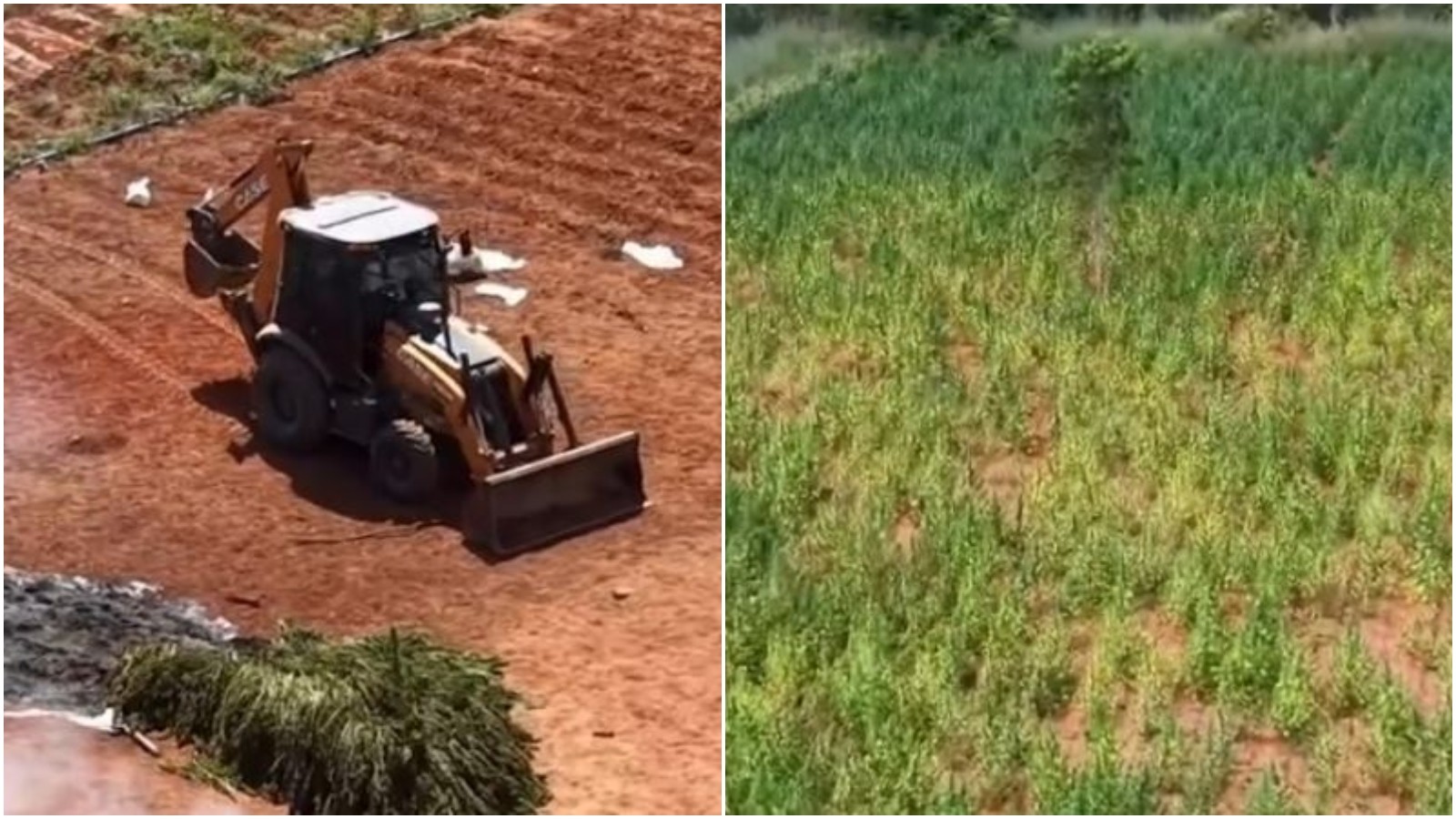
João Holanda Neto, the owner of a property in Ceará, Brazil, where approximately 290,000 marijuana plants were discovered, has been arrested. The arrest occurred shortly after Neto released a video pleading with the tenant who leased the land to surrender to the police. Neto was temporarily detained for 30 days as part of a Civil Police investigation into drug trafficking and criminal association. His defense attorney, Maria Lopes, stated that Neto had leased the property in October 2025, with the contract formalized in January of this year. According to Lopes, Neto had not accessed the land since the lease was formalized, only visiting the front of the property where he kept a car and other items, an area from which the plantation was not visible.
In the emotional video, a crying Neto implored the tenant, whom he described as a long-time acquaintance, to turn himself in, expressing disbelief and hurt that the tenant would involve him in such an activity. The defense also clarified that Neto is one of the landowners, voluntarily appeared for questioning, and was aware of an arrest warrant. The police are actively searching for the tenant. The plantation, discovered on June 25th, consisted of an estimated 160,000 plants in cultivation and 130,000 harvested plants, totaling around 5 tons of marijuana. Camps used by the suspects, who fled upon police arrival, were also found at the site.
Neto, 59, has a prior record for receiving stolen goods and has been placed at the disposal of justice. The Civil Police confirmed the identification of both the property owner and the tenant, though their identities were not released. The Secretary of Public Security and Social Defense of Ceará is investigating a complaint of procedural failures in securing the site after the operation, which was raised by a federal congressman who visited the area and claimed evidence was left unsecured. Governor Elmano de Freitas visited the site and vowed that police would remain until the entire plantation was destroyed, also promising a thorough investigation into any alleged negligence.
This incident highlights the complex dynamics of land ownership, leasing agreements, and criminal activity. The landowner's public plea and tearful video suggest a potential strategy to distance himself from the illicit operation, possibly by portraying himself as a victim of deception by the tenant. However, the legal framework for holding property owners accountable for activities on their land, even when leased, remains a critical point of investigation. The authorities face the challenge of discerning the extent of the owner's knowledge and complicity versus genuine ignorance due to the lease agreement. Future policy considerations might involve stricter due diligence requirements for land leases, particularly in regions susceptible to agricultural crime, and clearer legal recourse for landowners who can demonstrate proactive measures against misuse of their property. The investigation into alleged procedural failures in securing the crime scene also points to systemic issues in law enforcement response and evidence preservation, which could have implications for the prosecution of the case and future operations.
AI-generated to prompt reflection — not editorial opinion, not advice, not a statement of fact. How this works.