Ceará Military Police Officer Rearrested for Woman's Murder After Judicial Reversal
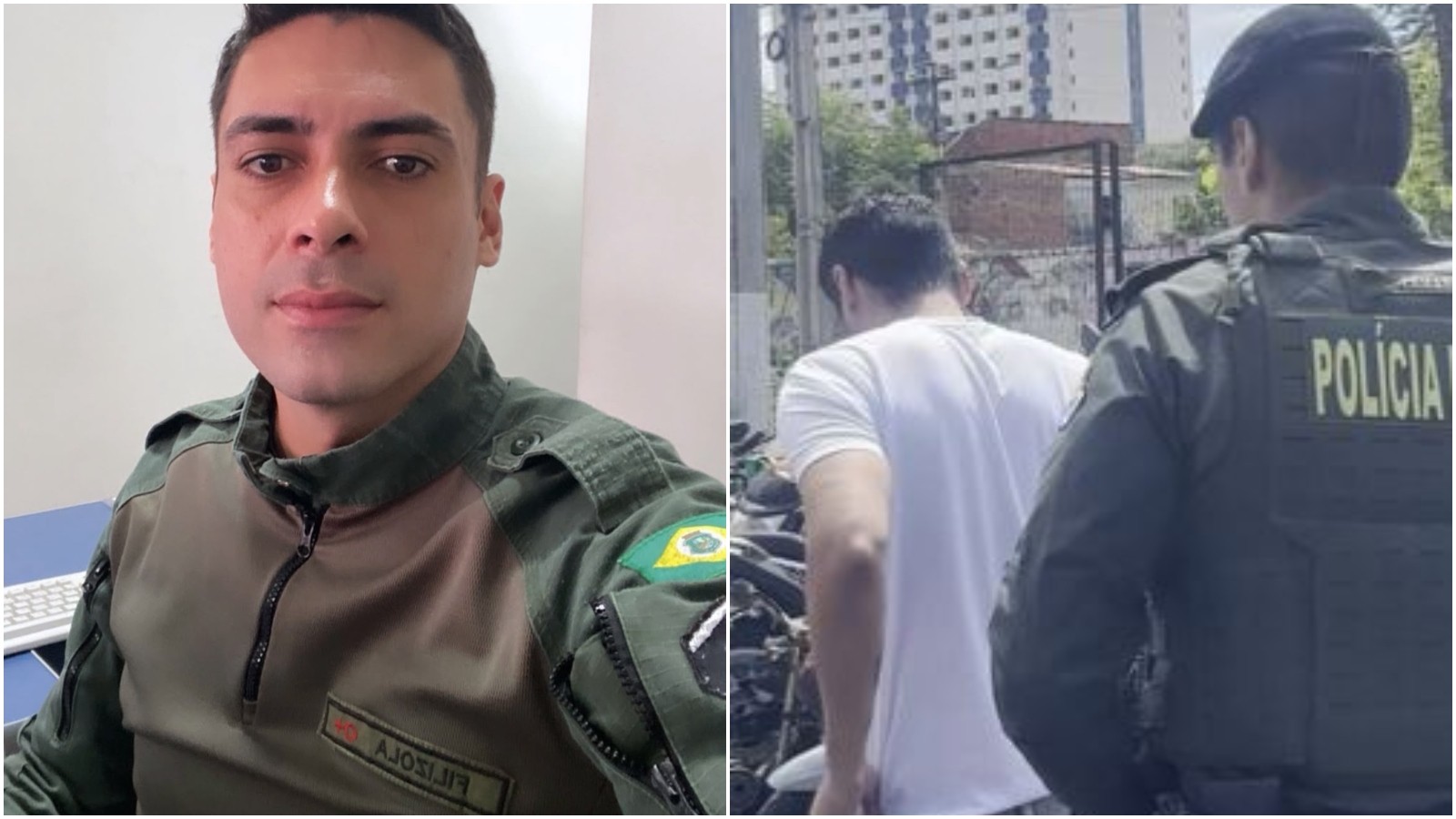
Caio Filizola de Paiva, a 36-year-old military police officer, has been rearrested in Ceará, Brazil, following a judicial decision for the murder of Luena Rocha Melo, 33. The incident occurred on Monday, June 6th, near a gas station in Cariré. Paiva and Melo had a history of disputes, and Melo had previously initiated legal action after being physically assaulted by the officer. She leaves behind two children. Paiva was initially arrested on the day of the crime but was released during a custody hearing under precautionary measures, including a 240-day electronic monitoring. This release was met with disagreement from the state's Public Security Secretary, Roberto Sá, who, while respecting the judiciary, stated he did not concur with the officer's freedom. The Ceará Public Prosecutor's Office appealed the release, leading the court to grant a preventive detention order for Paiva. The judge cited Paiva's significant social dangerousness, noting the crime occurred while he exhibited clear signs of intoxication. Evidence from security cameras contradicted Paiva's claim that Melo attempted to grab his weapon; instead, the footage and a witness confirmed he voluntarily fired the shot. Paiva has a criminal record including domestic violence cases, indicating a pattern of violent behavior. He was on medical leave for treatment and reportedly consuming alcohol while carrying a firearm, demonstrating disregard for safety regulations. The Military Police stated they do not condone misconduct and have initiated administrative disciplinary proceedings, including his preventive removal from duty.
This case highlights the complex interplay between judicial discretion, public safety concerns, and law enforcement accountability. The initial release of the officer, despite a history of violence against the victim and alleged intoxication at the time of the crime, raises questions about the adequacy of initial risk assessments and the application of precautionary measures. The subsequent judicial reversal, driven by prosecutorial appeal and strong evidence from surveillance footage, underscores the importance of robust investigative processes and prosecutorial oversight. Moving forward, examining the protocols for handling cases involving armed officers with documented histories of violence and substance abuse is crucial. Systemic improvements could focus on enhancing judicial review mechanisms for initial release decisions in such high-risk scenarios and ensuring consistent application of disciplinary procedures within security forces to maintain public trust and prevent future tragedies.
AI-generated to prompt reflection — not editorial opinion, not advice, not a statement of fact. How this works.