Ceará State Has 3 Cities Among Brazil's Top 10 Most Violent in 2025
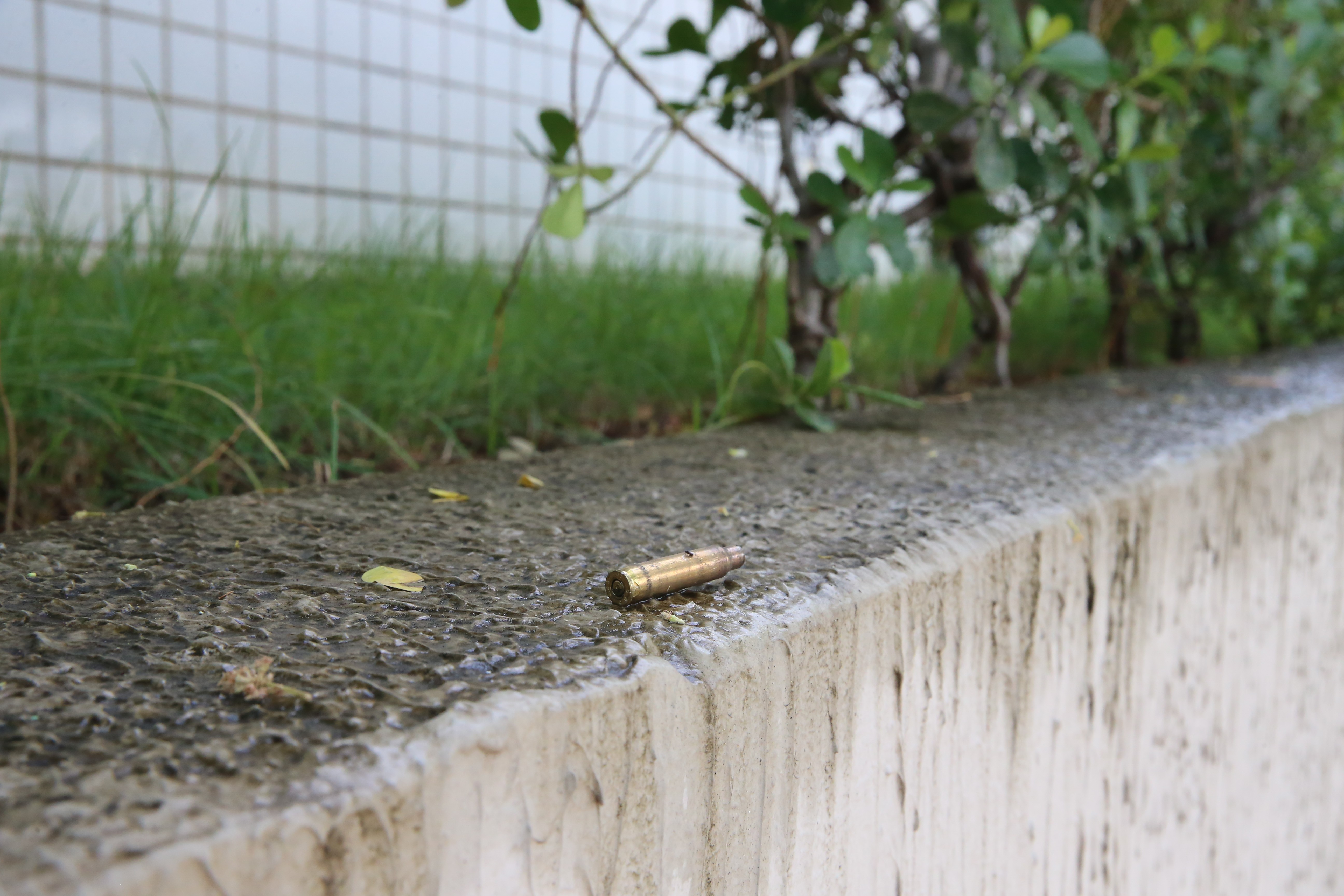
The Brazilian Public Security Yearbook 2026, released on Thursday, June 23rd, reveals that the state of Ceará has three cities ranked among the ten most violent in Brazil for the year 2025. Maranguape and Maracanaú are identified as the first and third most violent municipalities nationwide, respectively, while Caucaia ranks seventh. This marks the second consecutive year these three cities, all located in the Metropolitan Region of Fortaleza and adjacent to each other, have appeared in the study's top rankings for cities with over 100,000 inhabitants.
Maranguape, with approximately 105,000 residents, regained the top spot with a homicide rate of 100.03 per 100,000 inhabitants, the highest recorded and the only one exceeding 100. This represents a 25.1% increase from its 2024 rate of 79.9. Maracanaú, home to 234,000 people, saw its homicide rate rise by 17% to 80.7 per 100,000 inhabitants in 2025, up from 68.5 in 2024, propelling it from ninth to third place nationally. Caucaia, with 355,000 residents, experienced a slight 3.3% reduction in its homicide rate to 66.6 per 100,000 inhabitants, down from 68.9 in 2024, yet it climbed from eighth to seventh place in the national ranking.
Nationally, Brazil recorded 40,755 intentional violent deaths in 2025, an 8.2% decrease from 2024. Despite an overall reduction in homicides within Ceará by 7.5%, the state maintained its position as the third most violent in Brazil, with a rate of 34.6 homicides per 100,000 inhabitants. Amapá led with 42.5 and Bahia followed with 36.8. The state's absolute number of homicides decreased by 7.7% to 3,021 in 2025 compared to 3,272 in 2024. The Secretary of Public Security and Social Defense of Ceará (SSPDS) reported a 40% reduction in homicides in the first half of 2026 compared to the same period in the previous year.
The data highlights a complex dynamic where national violent crime rates are declining, yet specific urban centers within certain states, like Ceará, are experiencing significant increases in their homicide rates. This suggests that localized factors, potentially related to organized crime, socioeconomic conditions, or law enforcement effectiveness, are overriding broader national trends. The persistence of Maranguape, Maracanaú, and Caucaia among the most violent municipalities indicates systemic challenges that require targeted interventions beyond general crime reduction strategies. Future policy considerations might focus on understanding the specific drivers of violence in these metropolitan areas, exploring innovative community-based policing models, and addressing underlying socioeconomic disparities that may contribute to the perpetuation of high crime rates. The continued high ranking of Ceará as a state, despite a reduction in its overall homicide numbers, underscores the importance of examining per capita rates and the concentration of violence in specific localities.
AI-generated to prompt reflection — not editorial opinion, not advice, not a statement of fact. How this works.