Ceará State Nears 7 Million Eligible Voters for 2026 Elections
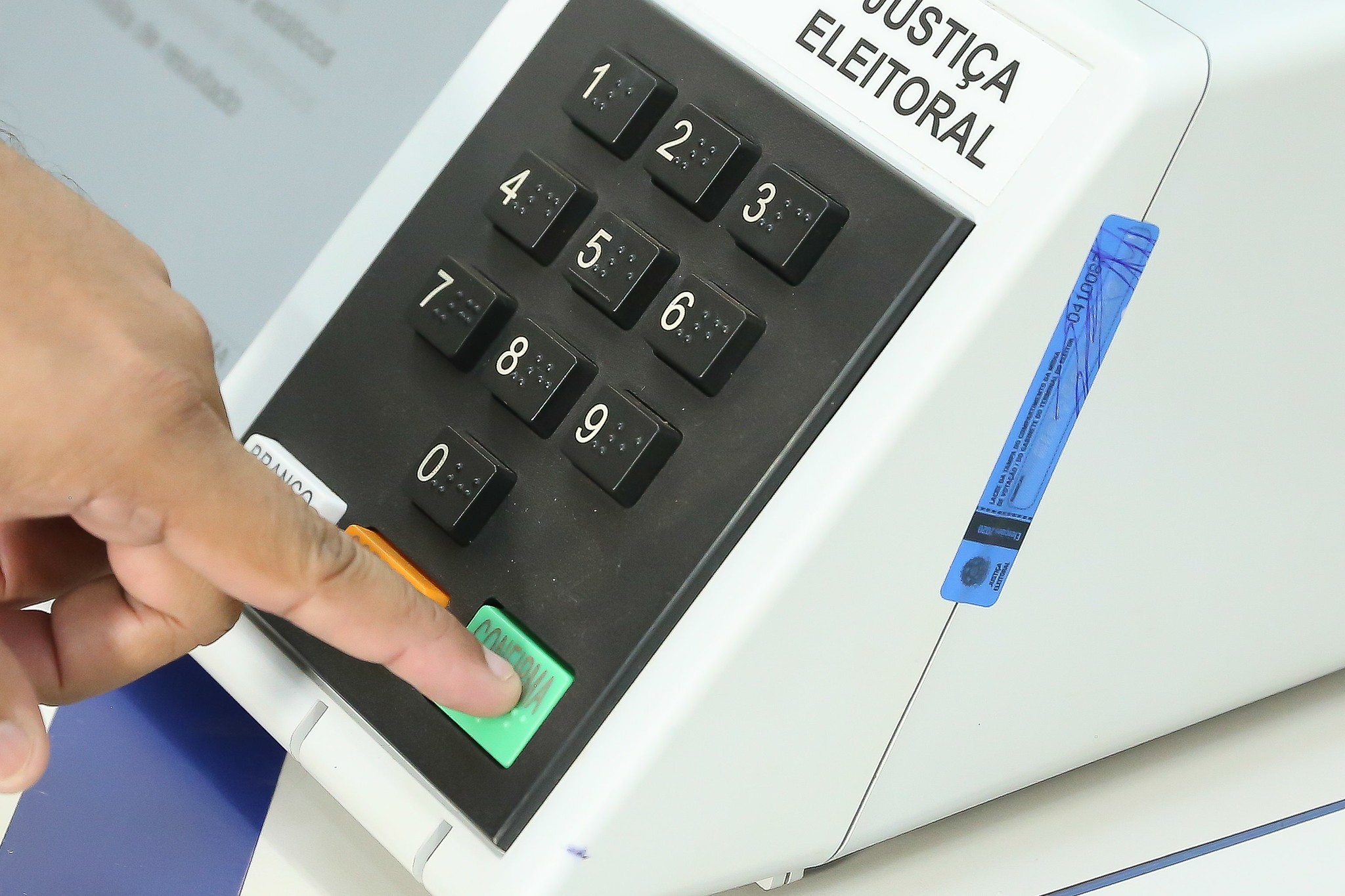
The Superior Electoral Court (TSE) has finalized the voter registry for the 2026 elections, scheduled for October 4th, with 6,998,494 eligible voters in the Brazilian state of Ceará. This represents a 2.6% increase from the 6,819,976 voters recorded in 2022. Between late April and early May, the Regional Electoral Court of Ceará (TRE-CE) conducted an initiative to expand voter registration, resulting in 148,213 individuals obtaining or updating their voter identification, with 48,471 of these in the state capital. Women constitute the majority of Ceará's electorate at approximately 53%, compared to 47% men. The largest age demographic is between 35 and 49 years old, followed by those aged 50 to 59. Notably, 94.73% of Ceará's electorate has registered biometric identification. Nationally, 158,745,463 Brazilians are eligible to vote in the 2026 elections, an increase of 2,291,452 since 2022. This expansion is observed across various regions, with notable proportional growth in the North and Center-West. Similar to Ceará, the national electorate is predominantly female, comprising 52.84% of voters. The age composition shows a rise in voters aged 60 and over, now representing 23.60% of the national total, while the 21-34 age group has decreased to 25.85%. The data also reflects a significant increase in self-declared race categories, with 'pardo' and 'preto' voters nearly doubling, and 'amarelo' and 'indígena' categories also showing substantial growth. White voters also more than doubled their self-declared numbers.
The expansion of the Brazilian electorate, particularly in Ceará, signals a growing civic engagement, potentially influenced by increased access to registration processes and heightened political awareness. The demographic shifts, with an increasing proportion of older voters and a near doubling in self-reported 'pardo' and 'preto' voter categories, suggest evolving societal identities and potentially new electoral dynamics. This trend may reflect greater inclusivity and representation, or it could indicate changes in data collection methodologies or societal self-perception. Future electoral outcomes will likely be shaped by how these diverse and growing segments of the electorate are mobilized and addressed by political campaigns, highlighting the importance of nuanced outreach strategies that acknowledge these demographic evolutions.
AI-generated to prompt reflection — not editorial opinion, not advice, not a statement of fact. How this works.