Ceará: Suspected gang leader arrested for threatening mayor's brother
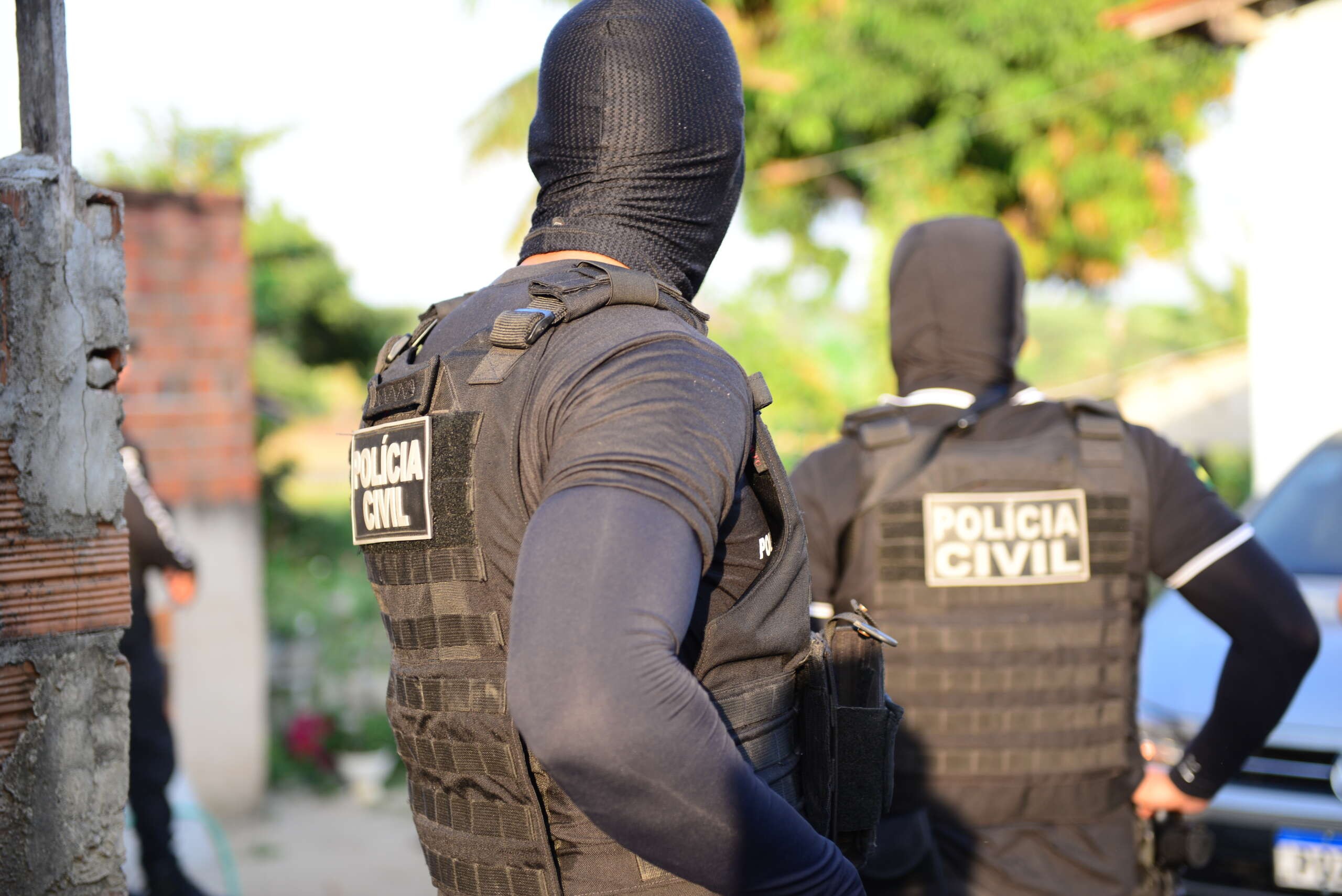
Authorities in Ceará, Brazil, have arrested a 41-year-old man identified as a leader of the Comando Vermelho criminal faction. He is suspected of making death threats against Francisco de Assis Sousa Júnior, the brother of Monsenhor Tabosa's mayor, Francisco Salomão (PT). The arrest occurred on Friday, May 31st, in the municipality of Crateús, where the suspect was apprehended in the act. Police also seized three cell phones, including the one used to send the threatening messages to Assis Júnior, who serves as the Subsecretary of Agriculture. Mayor Salomão publicly denounced the threats, stating they were an attempt to intimidate him and his family. He emphasized his brother's integrity and denied any involvement with criminal groups. This incident follows reports of another faction, the Primeiro Comando da Capital (PCC), engaging in public gunfire in a district of Monsenhor Tabosa. The region has seen escalating conflict between Comando Vermelho and PCC over territory. The arrested suspect has a prior criminal record including illegal firearm possession, drug trafficking, and membership in a criminal organization. The Civil Police consider the case solved and have charged the suspect with membership in an ultra-violent criminal organization.
The arrest highlights the pervasive influence of organized crime in certain regions of Brazil, with factions actively engaging in intimidation tactics against public officials and their families. This suggests a complex interplay between criminal group territorial disputes and political power structures, potentially creating an environment where threats are leveraged to exert influence or disrupt governance. The recurrence of such incidents, including public displays of violence by other factions and past threats against officials in nearby municipalities, points to systemic challenges in law enforcement and public security. Addressing these issues likely requires a multi-pronged approach that tackles not only immediate criminal activity but also the underlying socioeconomic factors and governance weaknesses that may enable such organizations to thrive and operate with impunity.
AI-generated to prompt reflection — not editorial opinion, not advice, not a statement of fact. How this works.