Ceará Village Recovers One Year After Faction Violence Drove Residents Away
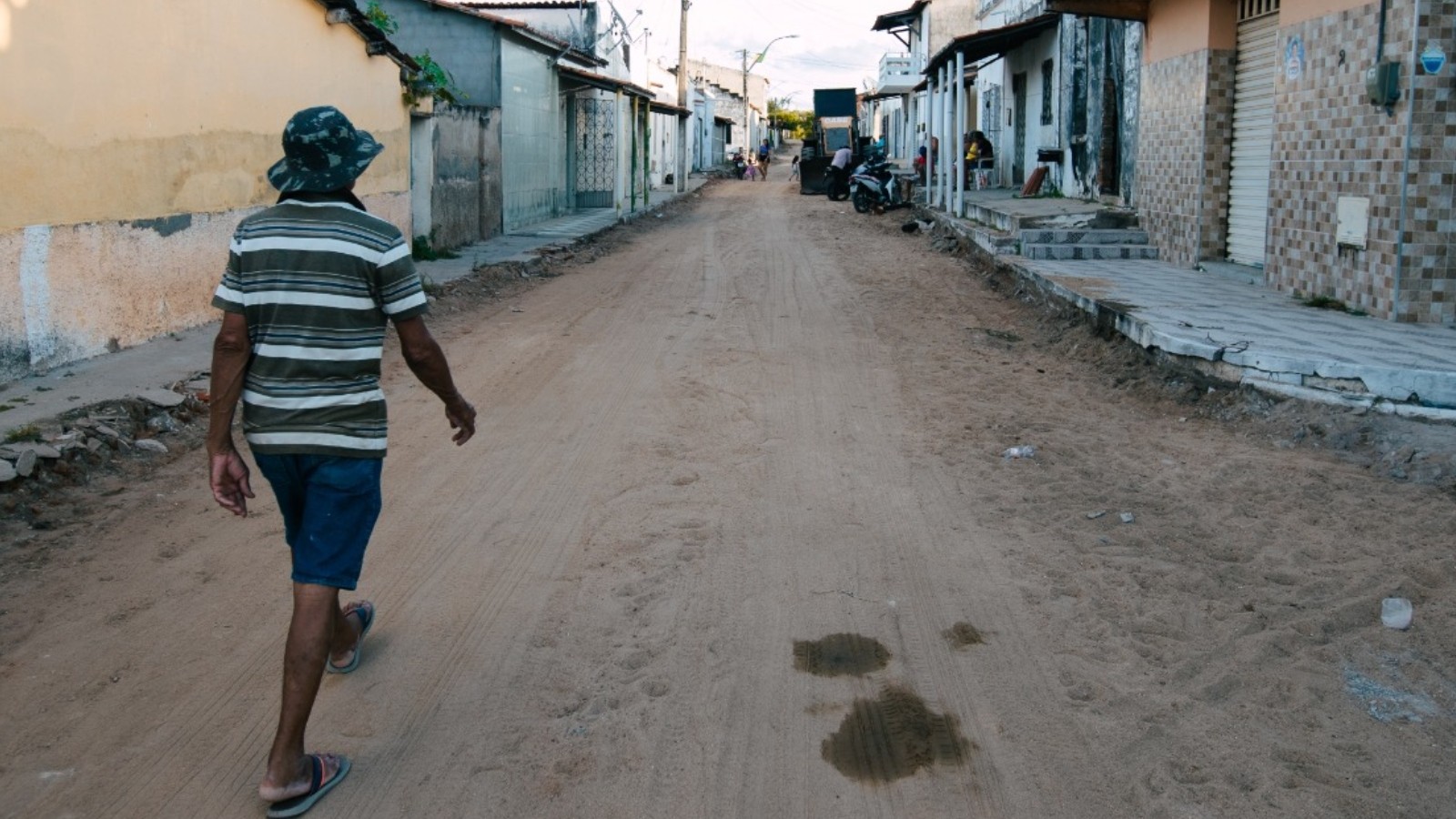
The district of Uiraponga in Morada Nova, Ceará, which became a ghost town due to mass expulsions by criminal factions, is now experiencing a gradual return of its population and community revitalization, though not yet fully back to its previous state of normalcy. Police have arrested 13 suspects linked to the expulsions and increased security presence, reporting no homicides in the district over the past year. Mayor Naiara Castro stated that over 80 families have returned, a trend that intensified in June, countering accusations from federal deputy André Fernandes who claimed the area remained largely abandoned. While main streets show increased activity with residents socializing and children playing, secondary streets still have many closed homes, a contrast most visible at night. Some buildings still bear bullet marks, remnants of the violent period, though reoccupied homes show repairs. Resident Cínthia Paula Silva Oliveira, who left in July 2025 due to escalating violence, returned in March after increased policing and the reopening of the local health post, finding the district significantly changed but active. Professor Jonh Darly describes the area as being in a "process of recovery," supported by infrastructure improvements, enhanced security, and cultural events, acknowledging that while not as populated as before, it is regaining life. Local commerce, severely impacted, now consists of two small grocery stores and one bar, with one merchant noting increased sales since reopening after a period of closure. Aurino Bento, another resident, also opened a grocery store upon his return five months ago, seeing it as a new beginning.
The situation in Uiraponga highlights the complex interplay between public security, community resilience, and political discourse. While law enforcement efforts and infrastructure improvements are crucial for restoring normalcy, the narrative surrounding the village's recovery has become a point of political contention. The gradual return of residents and the reopening of businesses suggest a community striving to overcome the trauma of violence, yet the lingering effects and the debate over the extent of recovery underscore the challenges of rebuilding trust and stability. Future efforts should focus on sustainable development and inclusive governance to ensure long-term security and prevent the recurrence of such displacement, considering the evolving socio-economic landscape influenced by organized crime and political dynamics.
AI-generated to prompt reflection — not editorial opinion, not advice, not a statement of fact. How this works.