CEEAC Selects Libreville as Integration Lab for Endangered Languages, Indigenous Knowledge, and Ecology
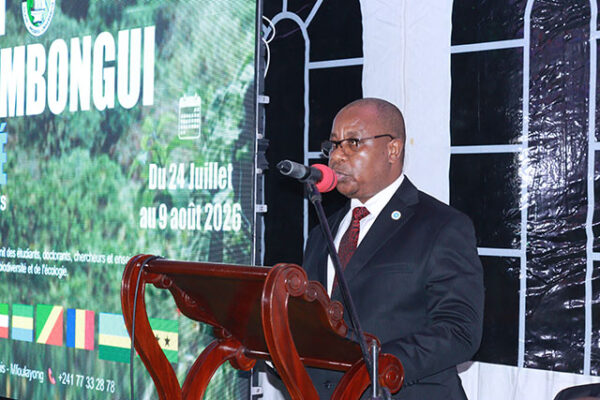
The Economic Community of Central African States (CEEAC) has designated Libreville, Gabon, as a laboratory for regional integration, focusing on endangered languages, indigenous knowledge, and ecological preservation. This initiative was highlighted during the second edition of the Campus Mbongi event, held in the Gabonese capital. CEEAC officials, academics, and researchers convened to launch this ambitious project on [Date not specified in source]. The program aims to leverage these critical areas as foundational pillars for strengthening regional cooperation and development within Central Africa. By addressing the decline of local languages and the loss of ancestral wisdom, alongside pressing ecological concerns, the CEEAC seeks to foster a more cohesive and sustainable regional identity. Libreville will serve as the central hub for research, policy development, and pilot projects under this new integration strategy. The initiative underscores a commitment to preserving cultural heritage and biodiversity as integral components of economic and social progress.
This CEEAC initiative positions cultural heritage and environmental stewardship as central to regional integration, a forward-looking approach that acknowledges the interconnectedness of societal well-being and ecological health. By focusing on endangered languages and indigenous knowledge, the CEEAC is tapping into potentially invaluable, yet often overlooked, reservoirs of local expertise and cultural identity. This strategy could foster greater social cohesion and empower local communities. The designation of Libreville as a 'laboratory' suggests a pilot approach, allowing for experimentation and adaptation of integration models. Future success will likely depend on sustained funding, robust academic-environmental partnerships, and effective translation of research into actionable policy that benefits both human populations and the natural environment across the region.
AI-generated to prompt reflection — not editorial opinion, not advice, not a statement of fact. How this works.