Cefet-MG Dismisses Server Over R$1.2 Million Embezzlement
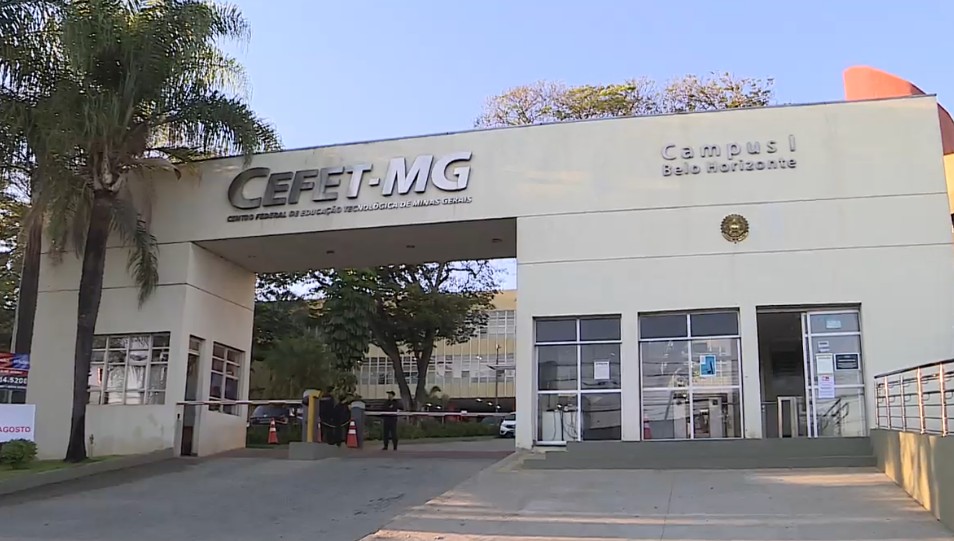
A server at the Federal Center for Technological Education of Minas Gerais (Cefet-MG) has been dismissed following an administrative investigation that revealed an embezzlement of over R$1.2 million from the institution's funds. Pedro Henrique Dias de Sousa, who held a position of trust, allegedly exploited his role to commit the irregularities. The scheme was initially detected through internal audits, leading to the server's suspension. Cefet-MG has officially reported the case to the Inspectorate, the Federal Police, and the Federal Public Prosecutor's Office (MPF), all of whom are continuing their investigations. During the administrative disciplinary process, the server reportedly confessed to the wrongdoing, acting alone. The administrative inquiry focused solely on Sousa's conduct, with no other servers currently under investigation in this administrative sphere. As a consequence of the process, he was terminated and barred from holding federal public service positions in the future. Cefet-MG is pursuing measures to recover the misappropriated funds and has strengthened its internal control mechanisms to prevent future occurrences. Meanwhile, the Federal Police and MPF investigations are ongoing to determine potential criminal liabilities.
This incident highlights vulnerabilities within public educational institutions' financial oversight mechanisms. The administrative investigation and subsequent dismissal of the server, coupled with the ongoing Federal Police and MPF inquiries, underscore the importance of robust internal controls and auditing procedures. While the institution has initiated steps to recover funds and reinforce controls, the scale of the embezzlement suggests systemic weaknesses that may require further structural review. Future considerations should include enhanced segregation of duties, more frequent and independent external audits, and the implementation of advanced fraud detection technologies to safeguard public resources and maintain institutional integrity in the digital age.
AI-generated to prompt reflection — not editorial opinion, not advice, not a statement of fact. How this works.