Cefet-MG Fires Employee for Alleged $1.2 Million Embezzlement; Federal Prosecutors Investigate
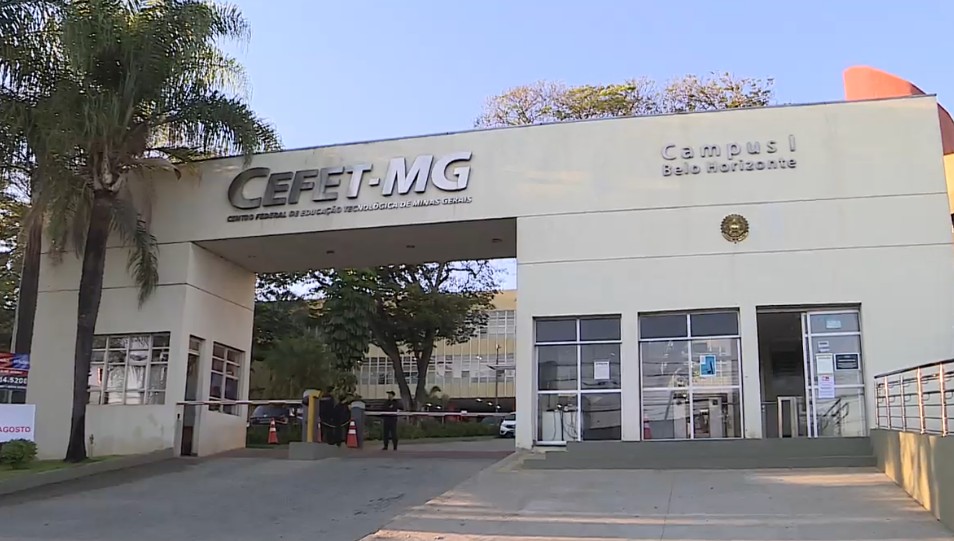
The Federal Public Ministry (MPF) is investigating a case of alleged embezzlement totaling over R$1.2 million from the Federal Center for Technological Education of Minas Gerais (Cefet-MG) in Belo Horizonte. The investigation was initiated following the dismissal of a Cefet-MG employee, identified as Pedro Henrique Dias de Sousa, who was accused of misappropriating public funds. According to Cefet-MG, Sousa utilized a position of trust to perpetrate these irregularities. He reportedly confessed to the scheme during an administrative disciplinary process. The institution stated that internal audits uncovered the discrepancies, which allegedly occurred between 2021 and 2025. Upon discovery of initial evidence, the employee was suspended from his duties. Cefet-MG reported the matter to its internal affairs department, the Federal Police, and the MPF. The administrative inquiry concluded that the employee acted alone, with no indication of other staff involvement. Consequently, he was terminated and permanently barred from holding federal public service positions. The criminal investigation by the Federal Police and the MPF is ongoing to determine potential liabilities for the misuse of public resources. Cefet-MG has also implemented measures to recover the misappropriated funds and strengthened internal controls to prevent future occurrences.
This case highlights systemic vulnerabilities in internal financial controls within public educational institutions. The alleged embezzlement, spanning several years and involving a significant sum, suggests potential weaknesses in oversight mechanisms that allowed a single individual to exploit their position. While administrative and criminal investigations are underway, the incident raises questions about the adequacy of Cefet-MG's auditing procedures and the effectiveness of its internal control frameworks. Moving forward, institutions like Cefet-MG will need to continuously adapt their governance structures to mitigate risks associated with insider threats and financial malfeasance, particularly as digital transaction volumes increase. The focus on recovering funds and reinforcing controls is a reactive measure; a proactive approach involving robust ethical training and diversified audit protocols could preemptively address such breaches.
AI-generated to prompt reflection — not editorial opinion, not advice, not a statement of fact. How this works.