Ceiling collapses at Recife hospital, injuring a post-surgery patient
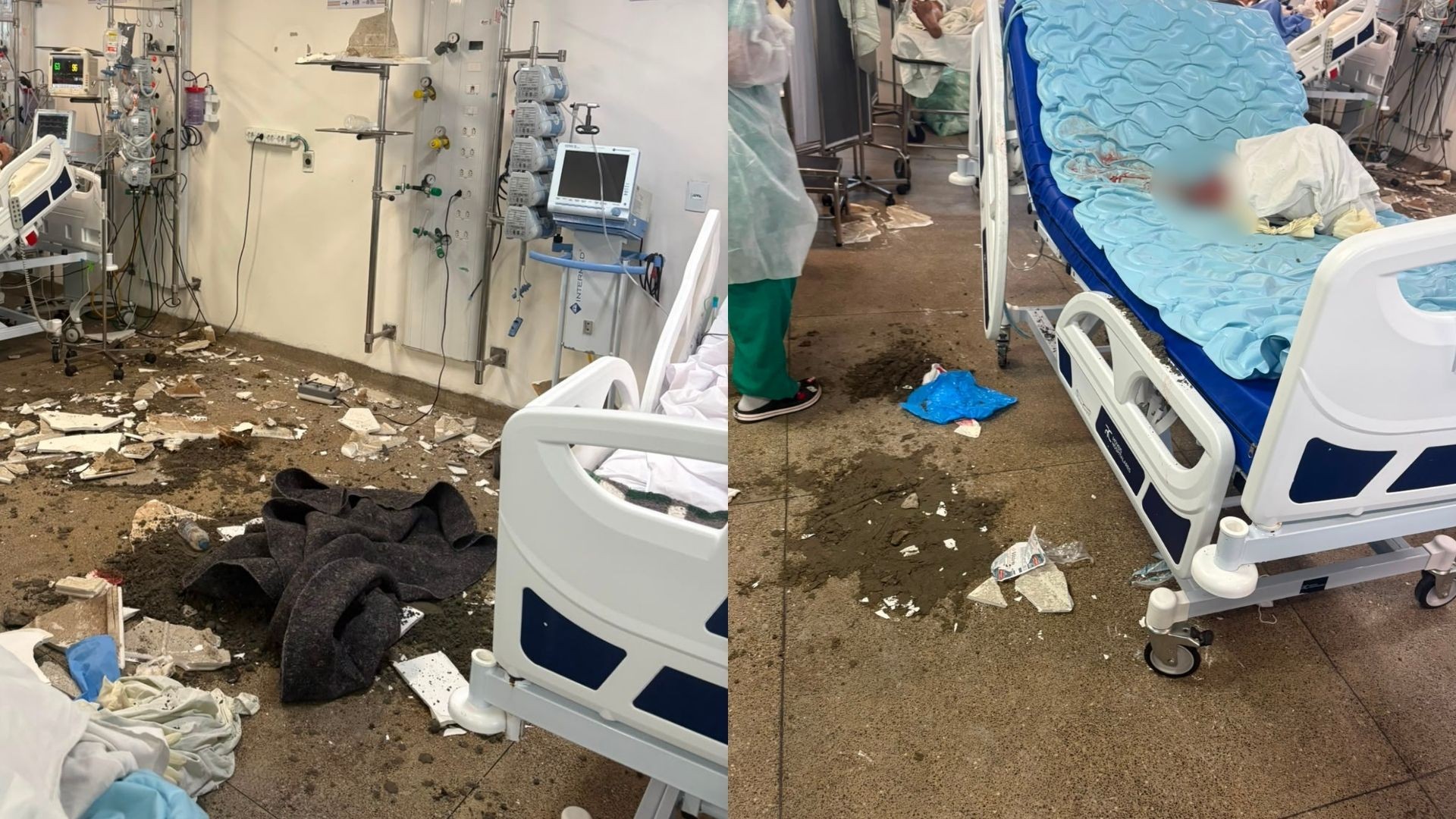
A section of the ceiling in the recovery room at the Hospital da Restauração in Recife, Brazil, collapsed on Wednesday, September 29th, striking a 61-year-old patient. The woman had recently undergone surgery on Saturday, September 25th, for an arm injury. She was still in the recovery room due to a lack of available beds in other hospital sectors. The falling debris reopened her surgical wound, causing significant bleeding that necessitated an emergency surgery and a blood transfusion. Following the procedure, the patient was transferred to the Intensive Care Unit (ICU) and is reportedly recovering well. Approximately 16 patients were in the room at the time of the incident, with 12 of them intubated. The affected recovery room has been temporarily closed to new patients, while existing patients remain until transfer is possible. The hospital has not yet responded to requests for comment. This incident is not isolated; similar ceiling collapses have occurred in other public hospitals and schools in Recife in recent months, including at Imip, Hospital Agamenon Magalhães, and Hospital Getúlio Vargas, as well as at the Escola Técnica Estadual Agamenon Magalhães and Escola de Referência em Ensino Fundamental Presidente Arthur da Silva.
The repeated structural failures in public healthcare and educational facilities in Recife highlight a systemic issue concerning infrastructure maintenance and safety protocols. The consistent occurrence of ceiling collapses, impacting patient care and student safety, suggests potential underfunding, inadequate inspection schedules, or deferred maintenance backlogs within these institutions. This pattern raises questions about the efficacy of public works management and capital allocation in ensuring basic safety standards. The long-term implications could include erosion of public trust, increased liability for the state, and a diversion of resources to address emergency repairs rather than proactive infrastructure investment. Future planning must prioritize robust safety audits and a dedicated, sufficient budget for preventative maintenance to avoid further incidents and ensure the well-being of vulnerable populations.
AI-generated to prompt reflection — not editorial opinion, not advice, not a statement of fact. How this works.