Celestial Views on America's First Independence Day
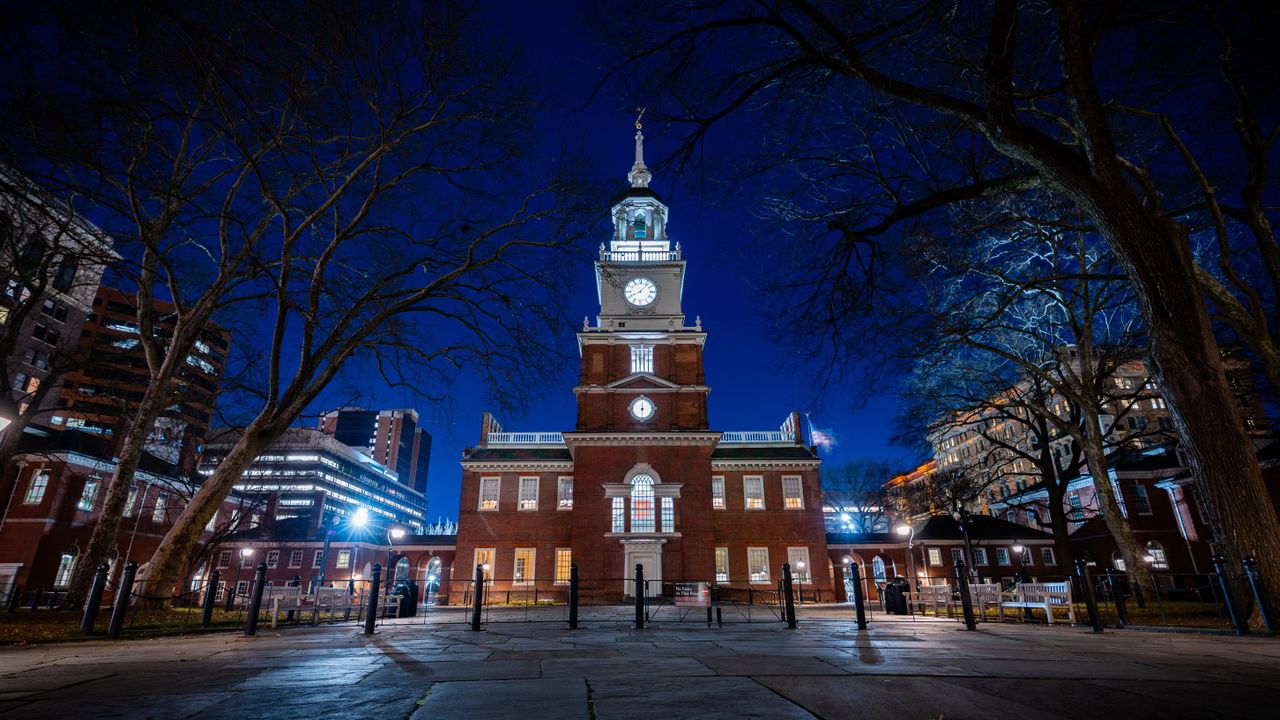
As the United States approaches its 250th anniversary, a look back reveals what the night sky would have appeared like on July 4, 1776. This historical perspective offers insight into the celestial backdrop witnessed by Benjamin Franklin and other colonists during the nation's inaugural Independence Day. The stars and planets visible on that significant night were the same ones that have guided humanity for millennia. Understanding this ancient view provides a unique connection to the past, grounding the celebration of a modern nation in the enduring presence of the cosmos. It highlights how, despite profound societal changes, the fundamental elements of the natural world, like the night sky, remain constant.
This historical query frames the night sky as a constant, immutable element against the backdrop of a foundational national event. It invites reflection on how unchanging natural phenomena can provide a sense of continuity and perspective, even during periods of significant human upheaval and nation-building. The analysis could explore how such constants might have been perceived by individuals in 1776, potentially offering solace or a sense of the universal. In the context of the next decade, understanding these enduring natural cycles might offer a counterpoint to rapid technological and societal shifts, reminding us of deeper, slower rhythms.
AI-generated to prompt reflection — not editorial opinion, not advice, not a statement of fact. How this works.