Celso Lungaretti, Journalist and Former Guerrilla Fighter, Dies at 75
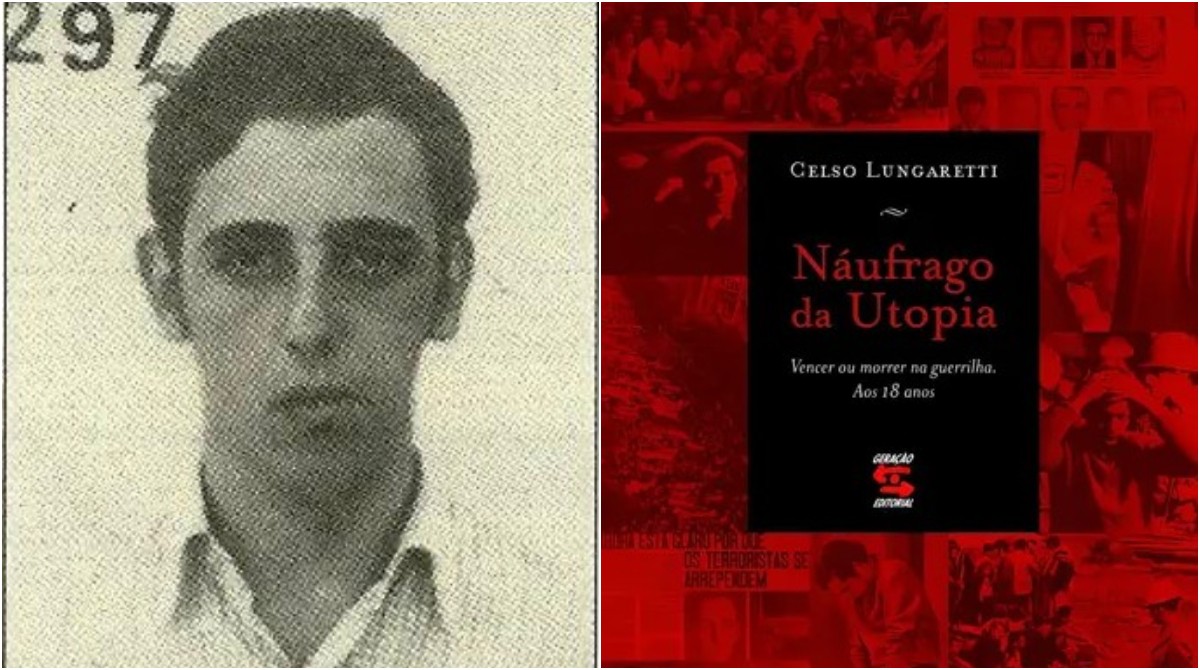
Celso Lungaretti, a prominent journalist and former militant in the armed struggle against Brazil's military dictatorship, passed away on Saturday, November 18th, at the age of 75. He had been hospitalized for 21 days at HCor in São Paulo following a domestic accident that resulted in a fractured right femur. Despite undergoing corrective surgery earlier in the month, he succumbed to post-operative complications.
Born in São Paulo on October 6, 1950, Lungaretti was involved in the student movement and joined the resistance to the military regime at a young age. Arrested in 1970, he endured torture and bore the physical and emotional scars of that period for decades. A graduate of the School of Communications and Arts at the University of São Paulo (ECA-USP), his career spanned journalism, political activism, and human rights advocacy. In 2005, he published "Náufrago da Utopia: vencer ou morrer na guerrilha aos 18 anos" (Shipwrecked Utopia: to win or die in guerrilla warfare at 18), recounting his experiences in the armed struggle and reflecting on the era's aspirations, mistakes, and tragedies. This title also became the name of his blog, which served as a platform for political analysis and public debate for nearly 20 years.
A significant episode in his life involved accusations of denouncing the location of a Vanguarda Popular Revolucionária (VPR) camp to the military after his 1970 arrest. This incident, which persisted for decades, suggested Lungaretti was responsible for the Army's discovery of a training area led by Carlos Lamarca. Lungaretti consistently refuted this narrative, arguing that the information he provided to his torturers pertained to an abandoned training site and that he was unaware of the camp actually raided by military forces. He contended that his implication served to mask security failures within the VPR and shift blame to a captive militant. Historical documents and academic reviews later supported Lungaretti's account, with historian Jacob Gorender publicly acknowledging in 2004 that Lungaretti had provided information about a deactivated area and was unaware of the active camp. Lungaretti viewed this as a late vindication. He was working on a follow-up book, "Náufrago da Utopia 2," and in late June, he reflected on his legacy, emphasizing the fight for amnesty and his support for Cesare Battisti, stating his desire to be remembered as someone who fought difficult battles and proved that revolutionaries should never accept injustice. He is survived by his wife, Nadja, and daughters, Luana and Laura. His wake is scheduled for Tuesday, November 21st, at Cemitério São Pedro in São Paulo.
The passing of Celso Lungaretti marks the end of a complex life deeply intertwined with Brazil's turbulent political history. His narrative highlights the enduring challenges of historical interpretation, particularly concerning clandestine resistance movements and the personal toll of political repression. The controversy surrounding his alleged denunciation underscores the difficult ethical terrain faced by individuals under duress and the subsequent efforts to reconcile personal accounts with historical records. Lungaretti's later dedication to articulating his experiences and lessons learned reflects a broader societal effort to process the legacy of authoritarian regimes and the nature of revolutionary commitment. His life's work, spanning journalism, activism, and memoir, offers a case study in the intersection of personal memory, public accountability, and the evolving discourse on political struggle and justice in post-dictatorship societies.
AI-generated to prompt reflection — not editorial opinion, not advice, not a statement of fact. How this works.