CEMAC Launches Strategic Plan 2027-2030 Development in Malabo
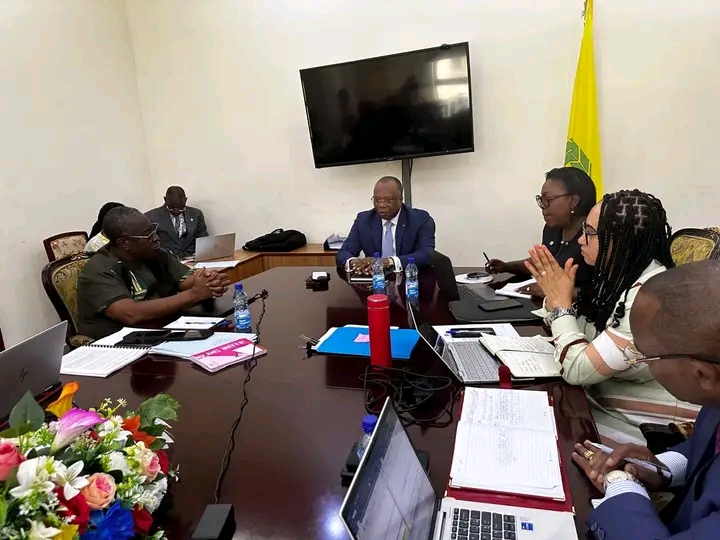
Experts from the CEMAC Commission have commenced the development of the first draft of their Strategic Plan for 2027-2030. This five-day workshop, held in Malabo at the Community Parliament building, aims to define the guiding principles for the community's actions in the coming years, with a focus on economic integration and sub-regional development. The official opening ceremony took place on Monday, June 22, 2026, bringing together key stakeholders involved in setting the institution's future priorities. Vice-President of the Commission, Charles Assamba Ongodo, emphasized the political and strategic significance of this initiative, stating it transcends mere administrative planning. He highlighted the ambition to transform the CEMAC region into a hub of shared prosperity, stability, and sovereignty, rooted in the ideal of economic integration. The work, under the scientific supervision of senior consultant Professor Viviane Ondoua Biwole, began with an examination of the document's overall structure. Participants also analyzed foundational texts, including the Revised Treaty, the CEMAC Economic and Financial Reform Program (PREF-CEMAC), and the Regional Economic Program (PER). The initial day focused on outlining a strategic diagnosis and initiating discussions on visions for 2030 and 2050, alongside the objectives and priority areas for the upcoming plan. The workshop will continue with the validation of strategic orientations, structural programs, and priority actions for the next four years.
The launch of the CEMAC's Strategic Plan 2027-2030 signifies a formal commitment to structured development and economic integration within the Central African region. The focus on defining long-term visions (2030, 2050) and priority axes suggests an effort to move beyond short-term administrative cycles towards more sustainable policy frameworks. The emphasis on shared prosperity, stability, and sovereignty indicates an aspiration to leverage economic cooperation as a tool for regional resilience and self-determination. Future success will likely hinge on the effective translation of these strategic orientations into concrete, implementable programs, and the robust coordination among member states to overcome potential implementation challenges and ensure equitable benefit distribution across the sub-region.
AI-generated to prompt reflection — not editorial opinion, not advice, not a statement of fact. How this works.