Cemig Fined R$150,000 for Collective Moral Damages Over Faulty Wiring in MG
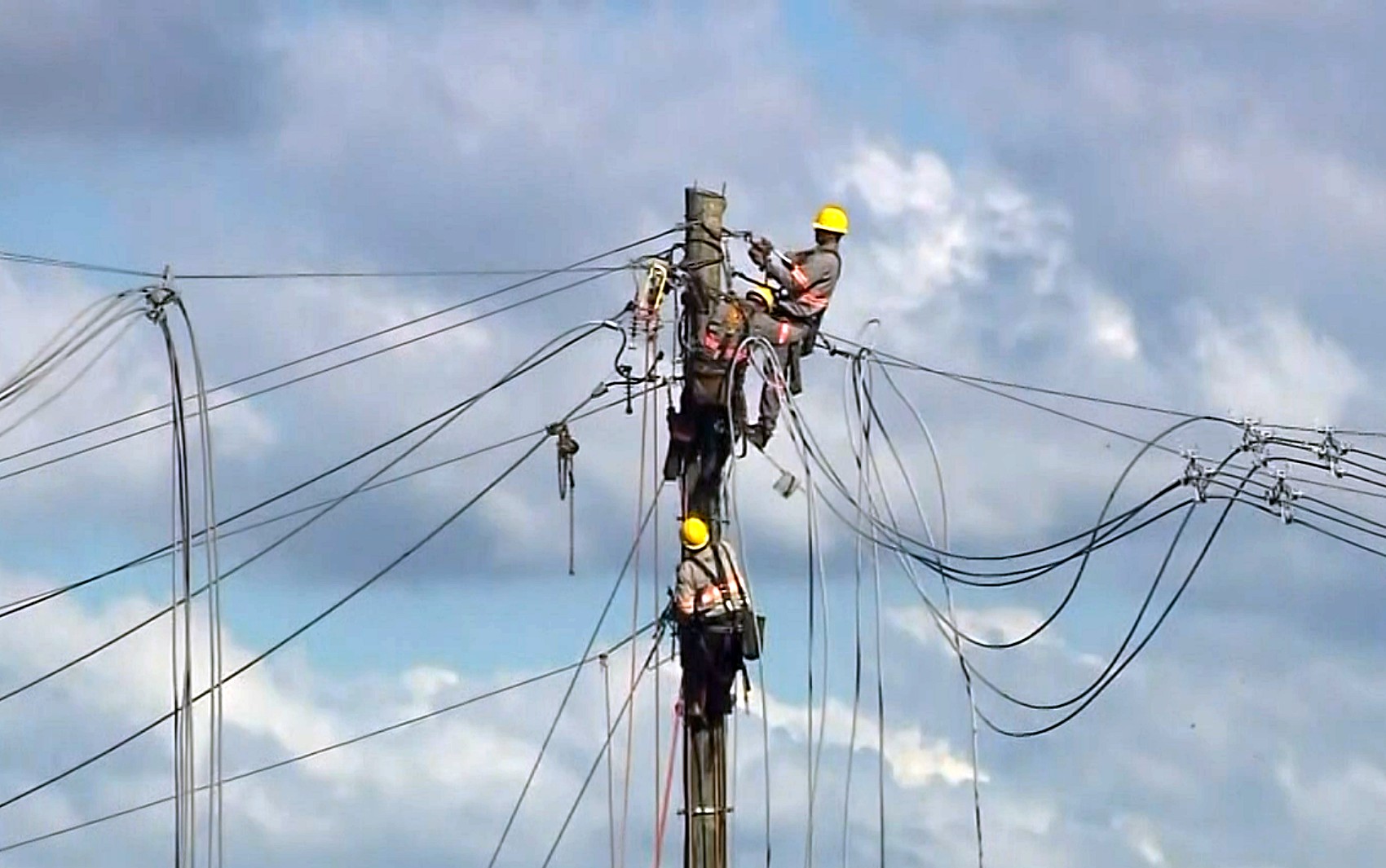
A court has ordered Cemig, an energy company, to pay R$150,000 in collective moral damages and present a timeline for fixing faulty wiring throughout Pouso Alegre, Minas Gerais. This ruling stems from a public civil action filed by the municipality in 2023, which highlighted inadequate oversight and organization of cables on the city's utility poles. The court found that Cemig failed in its duty to monitor and ensure the regularity of the infrastructure, allowing fallen, tangled, and dangling wires that posed risks to the public and marred the urban landscape.
According to the Municipal Attorney General, Graziela Brianezi, municipal inspections revealed numerous issues with poles across Pouso Alegre. She noted that the reorganization of these wires, often cut due to improper height, has led to accidents, particularly for cyclists and motorcyclists. The problem is exacerbated by the shared use of Cemig's poles with telecommunications companies, where cables are frequently left unsecured after service calls. The municipality had previously obtained an injunction in 2023 but faced challenges in enforcing compliance. Cemig has 30 days to submit a work plan and 180 days to complete the regularization, though the company can still appeal the decision.
In its defense, Cemig stated it is reviewing the judicial decision and will take appropriate actions. The company maintains that telecommunications cables on its poles are the responsibility of the service providers, who are accountable for their installation, maintenance, and removal according to sector regulations. Cemig asserts that it conducts inspections and works with telecom companies to address non-compliant situations, adhering to rules set by regulatory bodies.
This ruling underscores the critical importance of infrastructure maintenance and shared utility pole management. The municipality's action highlights a systemic failure in oversight, leading to public safety hazards and aesthetic degradation. Cemig's position, attributing responsibility to third-party telecom providers, points to a potential gap in inter-company coordination and regulatory enforcement. Moving forward, clear lines of accountability and robust, proactive inspection protocols are essential. The case also raises questions about the long-term sustainability of shared infrastructure models in an era of increasing digital connectivity and the potential for future conflicts arising from aging infrastructure and evolving technological demands.
AI-generated to prompt reflection — not editorial opinion, not advice, not a statement of fact. How this works.