Centenarian Levino da Costa de Jesus Dies at 119 in Minas Gerais, Brazil
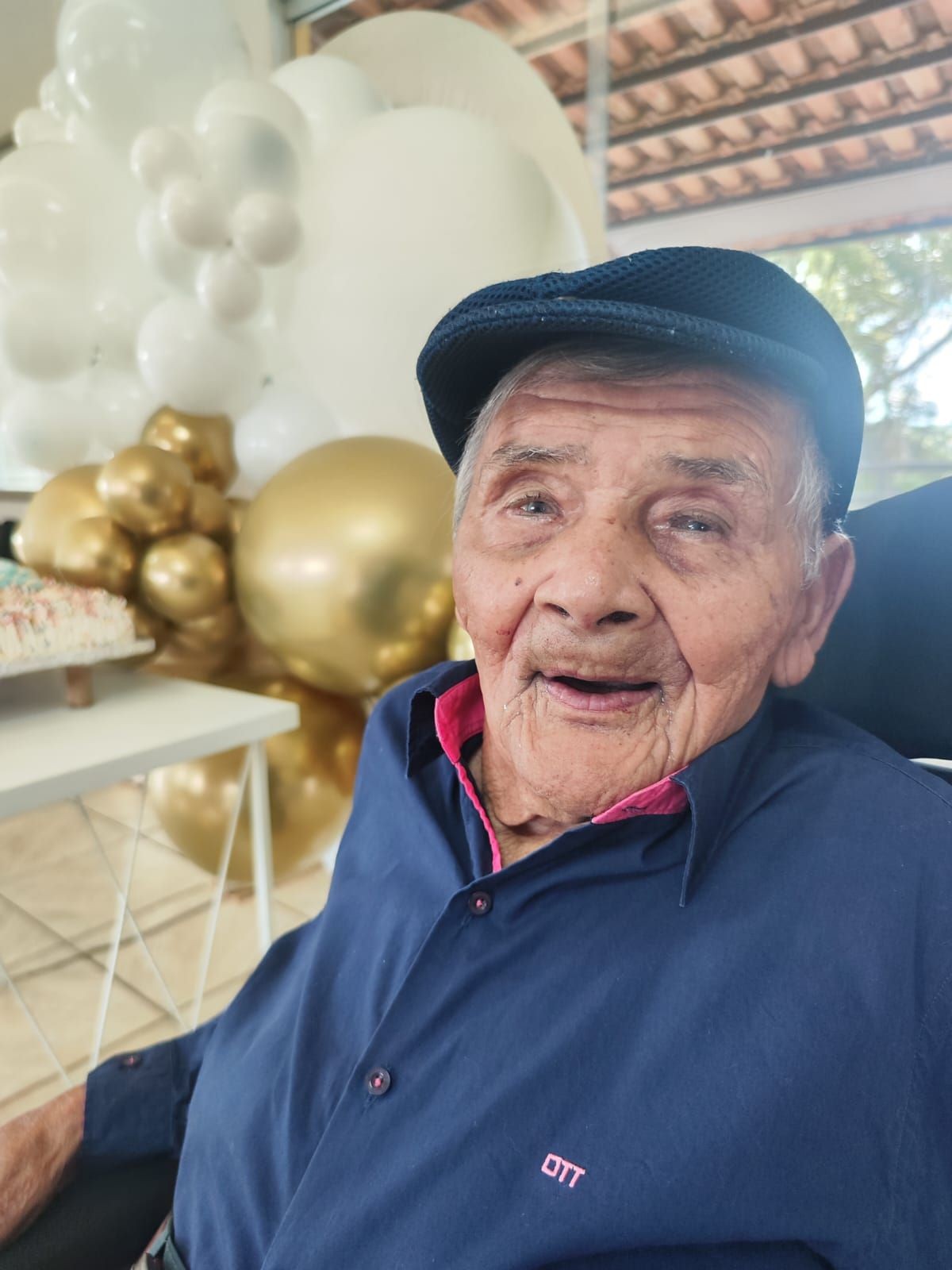
Levino da Costa de Jesus, a 119-year-old man known for his simple life and strong faith, passed away on Sunday, May 19th, in Pará de Minas, Minas Gerais, Brazil. Born on May 6, 1907, he spent most of his life as a farmer in the rural area and was the last surviving sibling of four. At the age of 100, Mr. Jesus moved to the Instituição de Longa Permanência para Idosos (ILPI) Cidade Ozanan, a long-term care facility, after his neighbor could no longer assist him. He resided there for the last 19 years of his life, becoming a beloved figure among staff, residents, and volunteers. Despite his advanced age, he maintained independence in daily activities, ate by himself, engaged in conversations, and often had a smile that brightened the facility's atmosphere. He actively participated in religious services, sang in the choir, and formed friendships easily, expressing gratitude daily. His philosophy centered on the belief that 'evil does not suit, only good,' and that a good life requires peace and friendship, not conflict. Psychologists who worked with him noted his lucidity, tenderness, and his ability to find joy in small things, teaching by example that happiness lies in life's simplicity. Although his birth year of 1907 was documented, his age was never officially validated by international supercentenarian organizations, meaning he was not listed in global longevity rankings. However, for those who knew him, his longevity was secondary to the profound way he lived his life, leaving a legacy of peace, friendship, and love.
The passing of Levino da Costa de Jesus at a documented age of 119 highlights the human capacity for resilience and finding contentment through simple living and strong social connections. While his unofficial status in global longevity rankings due to lack of international validation is noted, the narrative emphasizes his personal legacy of peace and positivity over numerical achievement. This case invites reflection on societal metrics for a life well-lived, suggesting that genuine well-being may be more closely tied to internal states and interpersonal relationships than to external validation or extreme longevity figures. The long-term care facility's role in providing a supportive environment for his final two decades underscores the importance of community and care infrastructure for the elderly, particularly those without immediate family support. Looking ahead, understanding the factors contributing to such sustained quality of life, independent of official recognition, could inform future approaches to elder care and promote a broader definition of successful aging in an increasingly complex world.
AI-generated to prompt reflection — not editorial opinion, not advice, not a statement of fact. How this works.