Centennial of Saint Hannibal Maria Di Francia Celebrated, Highlighting Vatican-Recognized Miracle in Brazil
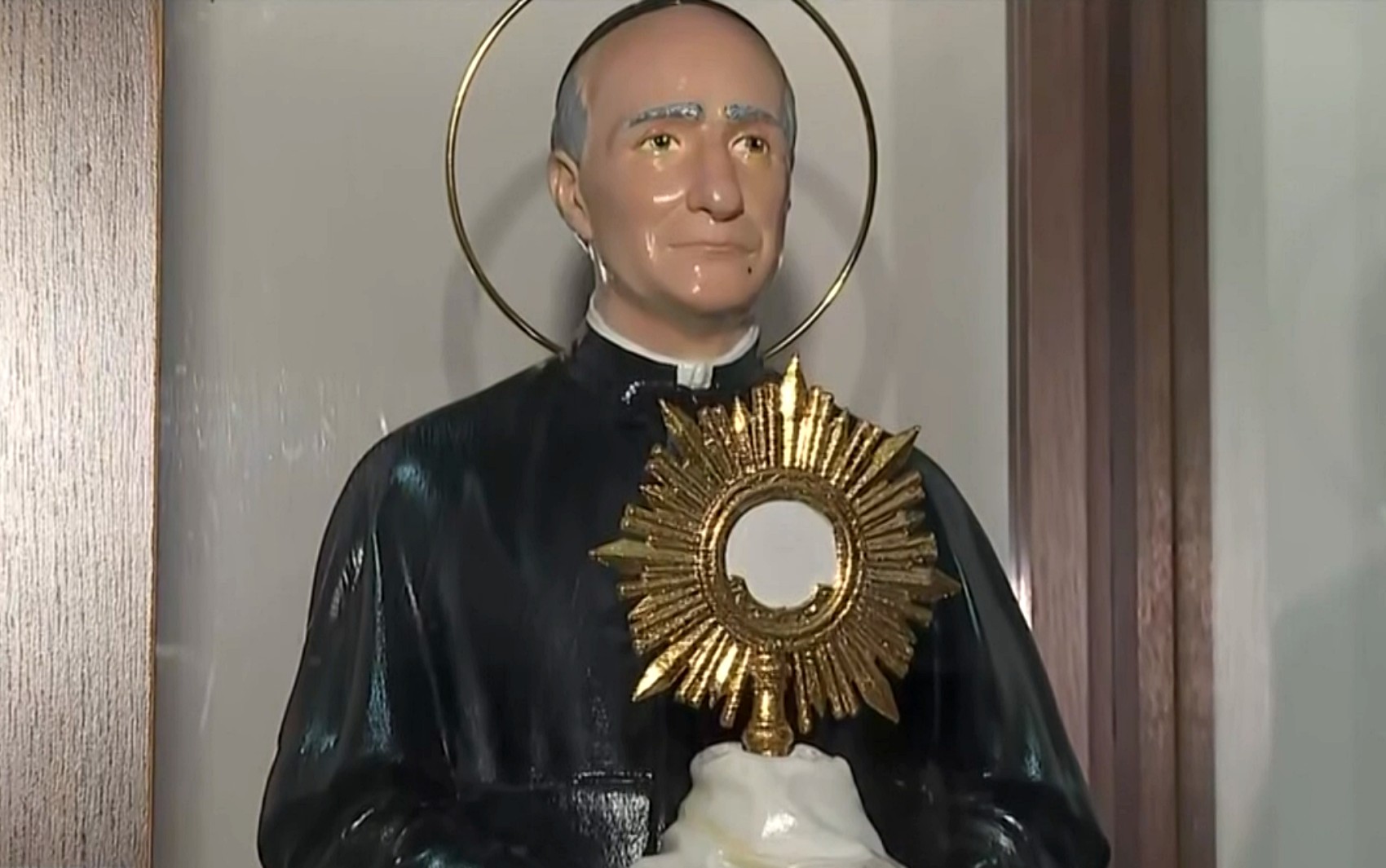
Celebrations marking the centennial of the death of Saint Hannibal Maria Di Francia, founder of the Rogationists Congregation, are drawing attention to his connection with Passos, Minas Gerais, Brazil. This city was the site of the first miracle recognized by the Vatican that contributed to his beatification. The commemorative program began on June 1, 2024, and will continue until June 1, 2027, marking 100 years since the saint's passing.
The story that established Passos as a center of devotion to Saint Hannibal began with the healing of nurse Gleida Danese. Diagnosed with Guillain-Barré syndrome as a child, her family recounts that after a period of intense prayer for the intercession of then-Father Hannibal, her illness vanished. This case was officially recognized by the Vatican as a miracle attributed to the religious figure's intercession, becoming a key element in his beatification process. The Sanctuary of Saint Hannibal, located at the Educandário in Passos, has become a significant pilgrimage site, with daily visitors offering thanks for graces received and participating in religious services. The sanctuary also houses a "Room of Promises" exhibiting photographs and objects left by individuals attributing their blessings to the saint's intercession, as well as a second-class relic consisting of a scarf and two socks used by Saint Hannibal, brought from Italy. As part of the centennial, a pilgrim image of Saint Hannibal, carrying a first-class relic of his hair, will travel across various Brazilian states to strengthen devotion during this jubilee year.
The centennial commemorations highlight the role of intercessory prayer and divine intervention in the Catholic faith, as evidenced by the Vatican's recognition of miracles attributed to Saint Hannibal Maria Di Francia. The narrative focuses on personal testimonies of healing and spiritual fortitude found at the Sanctuary of Saint Hannibal, framing these events as divine graces. The extended celebration period and the peregrination of a sacred image across Brazil suggest a strategic effort to deepen the faithful's connection to the saint's legacy and the Rogationists' mission. From a systems perspective, such events reinforce community bonds and provide spiritual succor, while also serving to propagate religious institutions and their influence. In the context of an increasingly secularized and digitally connected world, these traditional forms of devotion continue to offer a counterpoint, emphasizing faith, collective ritual, and the enduring power of perceived miracles.
AI-generated to prompt reflection — not editorial opinion, not advice, not a statement of fact. How this works.