Center to Aid Ammunition Recovery in North and Baltic Seas
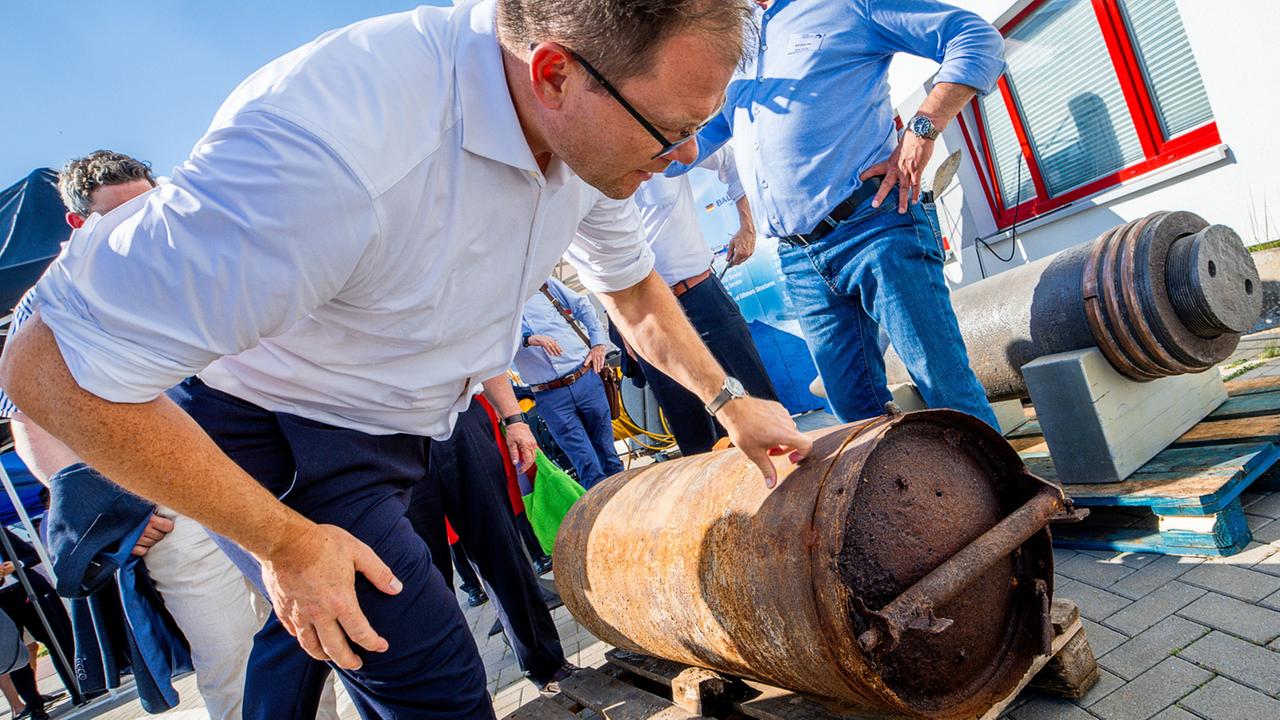
An estimated 1.6 million tons of wartime ammunition lie on the seabed of the North and Baltic Seas. These submerged munitions pose a significant environmental threat, releasing toxic substances that contaminate the marine ecosystem and enter the food chain. To address this growing problem, a new competence center is being established in Rostock. This center is intended to accelerate and improve the process of recovering the dangerous ordnance. The initiative aims to mitigate the long-term environmental damage caused by the decaying munitions and protect marine life and human health. The scale of the problem necessitates a coordinated and expert-driven approach to ensure safe and effective removal operations. The establishment of this specialized center signifies a commitment to tackling this complex legacy issue.
The presence of vast quantities of historical munitions in the North and Baltic Seas presents a complex environmental and logistical challenge. The establishment of a dedicated competence center in Rostock represents a structured approach to managing this legacy issue. By centralizing expertise and resources, the initiative aims to improve the efficiency and safety of ammunition recovery operations. This effort is crucial for mitigating ongoing environmental pollution and potential risks to marine ecosystems and human health. The long-term success will depend on sustained funding, technological innovation in underwater recovery, and international cooperation, given the transboundary nature of the affected seas. This proactive measure addresses the systemic risks associated with decaying ordnance and seeks to prevent future ecological harm.
AI-generated to prompt reflection — not editorial opinion, not advice, not a statement of fact. How this works.