Central African Nations Accelerate Agricultural Reform, Focus on Rice Production
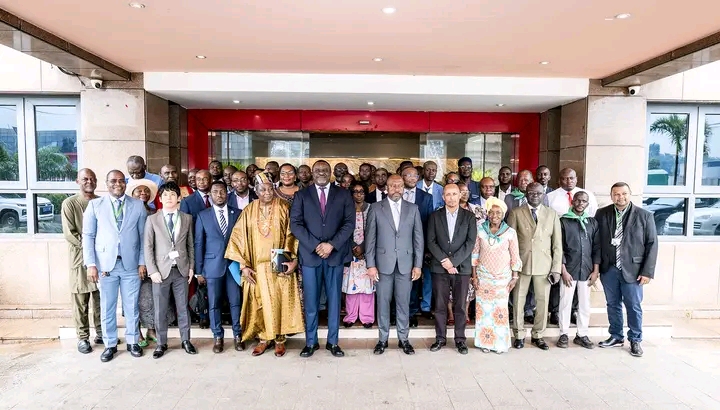
Member states of the Economic Community of Central African States (CEEAC) have adopted a roadmap in Gabon to align their agricultural policies with the Kampala commitments and have validated a regional strategy aimed at reducing Central Africa's reliance on rice imports. The strategic workshop, held in Libreville from June 16-18, 2026, focused on domesticating the Comprehensive Africa Agriculture Development Programme (CAADP) and validating the Regional Rice Development Strategy for Central Africa (SRDR-AC). Following the discussions, CEEAC member states expressed a unified commitment to enhancing regional agricultural transformation. Supported by the Alliance for a Green Revolution in Africa (AGRA), the meeting included government experts, regional institutions, financial partners, producer organizations, and private sector representatives. The discussions centered on the new CAADP orientations for 2026-2035, stemming from the Kampala Declaration. Participants emphasized agriculture's potential as a key driver for economic development, food security, and regional integration. A roadmap was adopted to guide the transition of national agricultural investment plans towards programs aligned with continental objectives. A significant outcome was the technical validation of the SRDR-AC. Acknowledging a high dependence on rice imports, the states intend to leverage the region's substantial agricultural resources to develop a competitive rice sector that generates employment and added value. Participants urged swift mobilization of funding to move from planning to implementation. The CEEAC, with partner support, will be responsible for regional coordination, monitoring commitments, and executing key projects. The primary challenge for member states is now to translate this political momentum into tangible results for Central African producers and consumers.
The CEEAC's strategic initiative to reform agricultural policies and boost rice production signals a proactive approach to enhancing regional food security and economic self-sufficiency. By aligning national plans with continental frameworks like CAADP and developing a dedicated rice strategy, member states are addressing critical vulnerabilities, particularly the dependence on imported rice. This coordinated effort, supported by organizations like AGRA, aims to create a more resilient and competitive agricultural sector. The success of this strategy will hinge on effective implementation, timely funding, and the ability to translate political will into concrete benefits for local producers and consumers. Future developments will likely involve monitoring the impact of these policies on trade balances, rural livelihoods, and the broader economic integration of Central Africa, particularly in the context of evolving global food systems and climate change adaptation.
AI-generated to prompt reflection — not editorial opinion, not advice, not a statement of fact. How this works.