Central America Condemns Nicaragua's Election Abolition as Democratic Betrayal
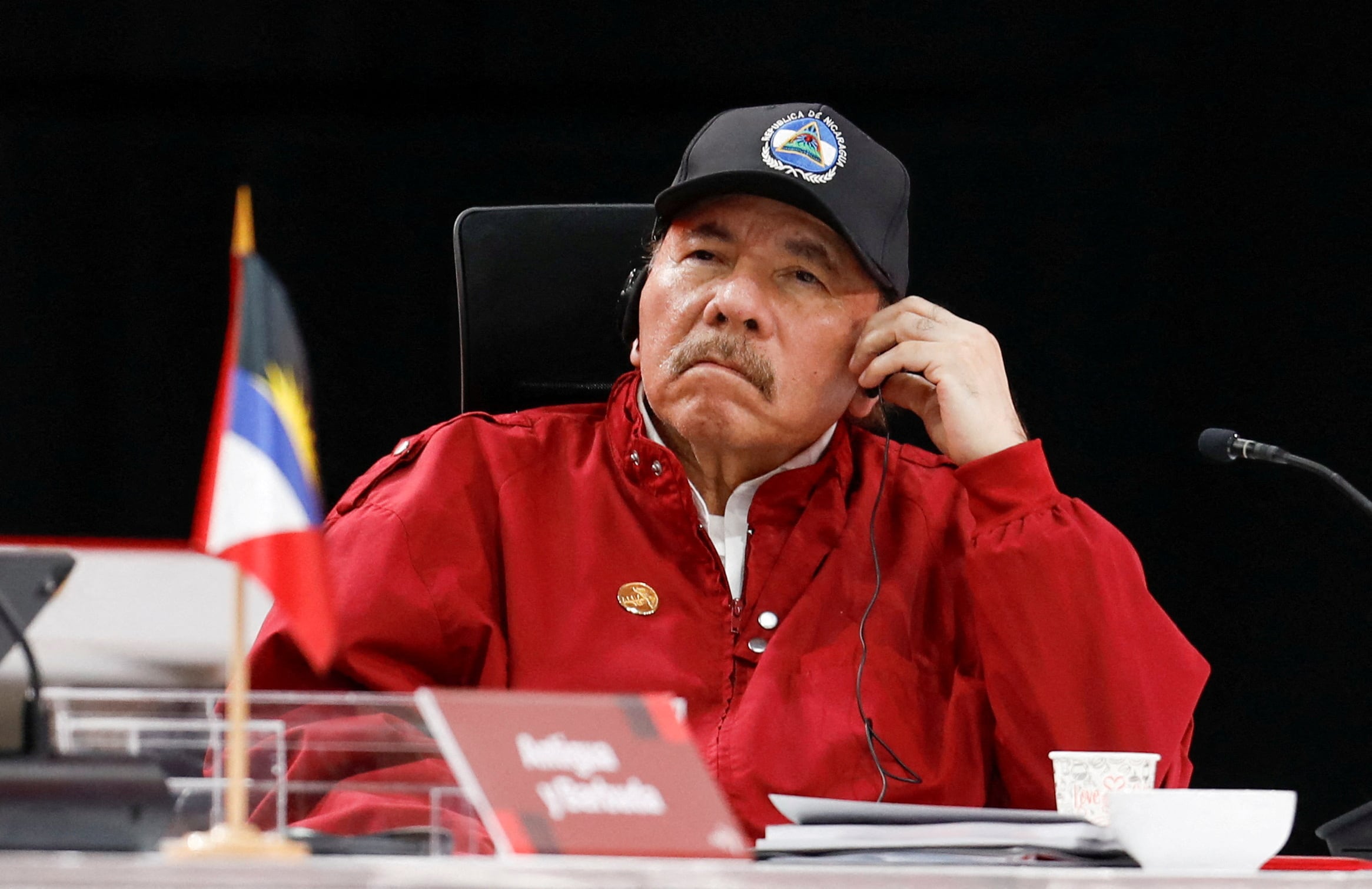
Democracies across Central America, from Guatemala to Panama, have voiced alarm and rejection following Nicaraguan President Daniel Ortega's decision to eliminate elections in the country. This move is being widely described as a severe affront to democratic principles. The leaders of these nations have expressed their strong disapproval of Ortega's actions, highlighting the negative implications for regional democratic norms. Notably, neither the government of El Salvador's President Nayib Bukele nor the government of Honduras have yet issued a public statement regarding this significant development. The silence from these two countries stands in contrast to the vocal condemnation from their regional neighbors. The decision marks a critical moment for Nicaragua's political landscape and raises concerns about the future of democracy in the region.
The abolition of elections by Nicaraguan President Daniel Ortega represents a significant departure from democratic processes, potentially consolidating authoritarian control. This action challenges established regional norms and may provoke further international scrutiny and diplomatic isolation. The varying responses from neighboring countries, particularly the silence from El Salvador and Honduras, could reflect complex geopolitical considerations or differing interpretations of regional stability. Looking ahead, such moves may exacerbate existing governance challenges and influence future political dynamics across Central America, testing the resilience of democratic institutions in the face of concentrated power.
AI-generated to prompt reflection — not editorial opinion, not advice, not a statement of fact. How this works.