Central Bank Buys Over $13 Billion in Foreign Currency This Year Despite Dollar Surge
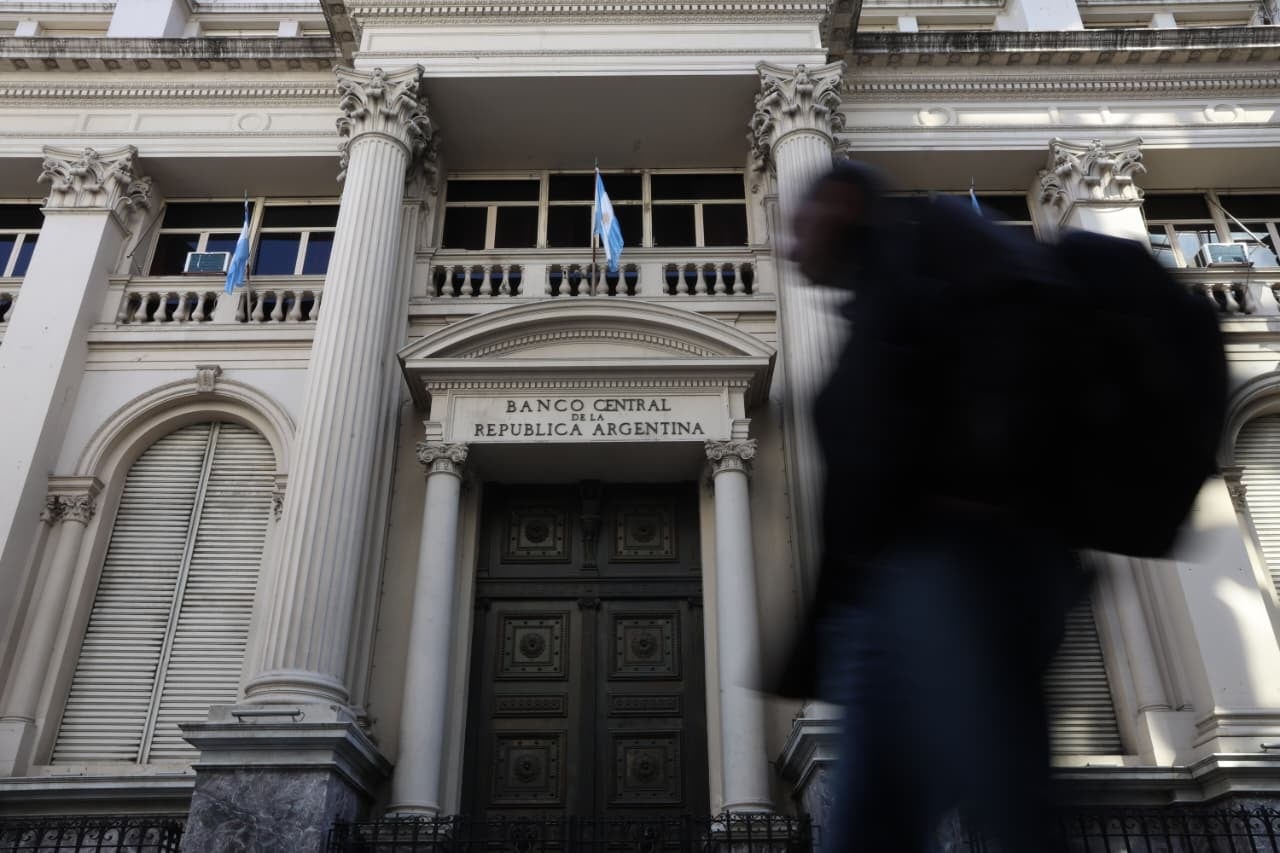
The Central Bank of Argentina has made another significant purchase of foreign currency, acquiring more than US$13 billion year-to-date. This substantial intervention occurred despite an increase in the dollar's exchange rate. The bank's level of intervention has reportedly caused some concern, particularly following public statements made by presidential spokesperson Adrián Ravier. Ravier commented on the potential future exchange rate of the US dollar. The exact timing and scale of the bank's recent purchase, in light of Ravier's remarks, have drawn attention. This ongoing strategy indicates a consistent effort by the Central Bank to manage currency fluctuations. The sustained acquisition of foreign reserves suggests a policy aimed at stabilizing the market or meeting specific economic objectives. The market is observing these actions closely, especially given the varying signals from official spokespersons.
The Central Bank's sustained foreign currency purchases, even amidst a rising dollar, suggest a strategic objective to accumulate reserves or manage exchange rate volatility. The divergence between the bank's actions and the presidential spokesperson's commentary on the dollar's potential trajectory highlights a potential internal communication or policy alignment challenge. This situation may reflect differing views on the optimal exchange rate policy or the tools available to achieve it. Such discrepancies can create market uncertainty, impacting investor confidence and economic planning. Future policy decisions will likely depend on balancing reserve accumulation goals with broader macroeconomic stability considerations and the need for clear, consistent public messaging.
AI-generated to prompt reflection — not editorial opinion, not advice, not a statement of fact. How this works.