Central Bank Reforms: A Look Back at Major Changes Over 90 Years
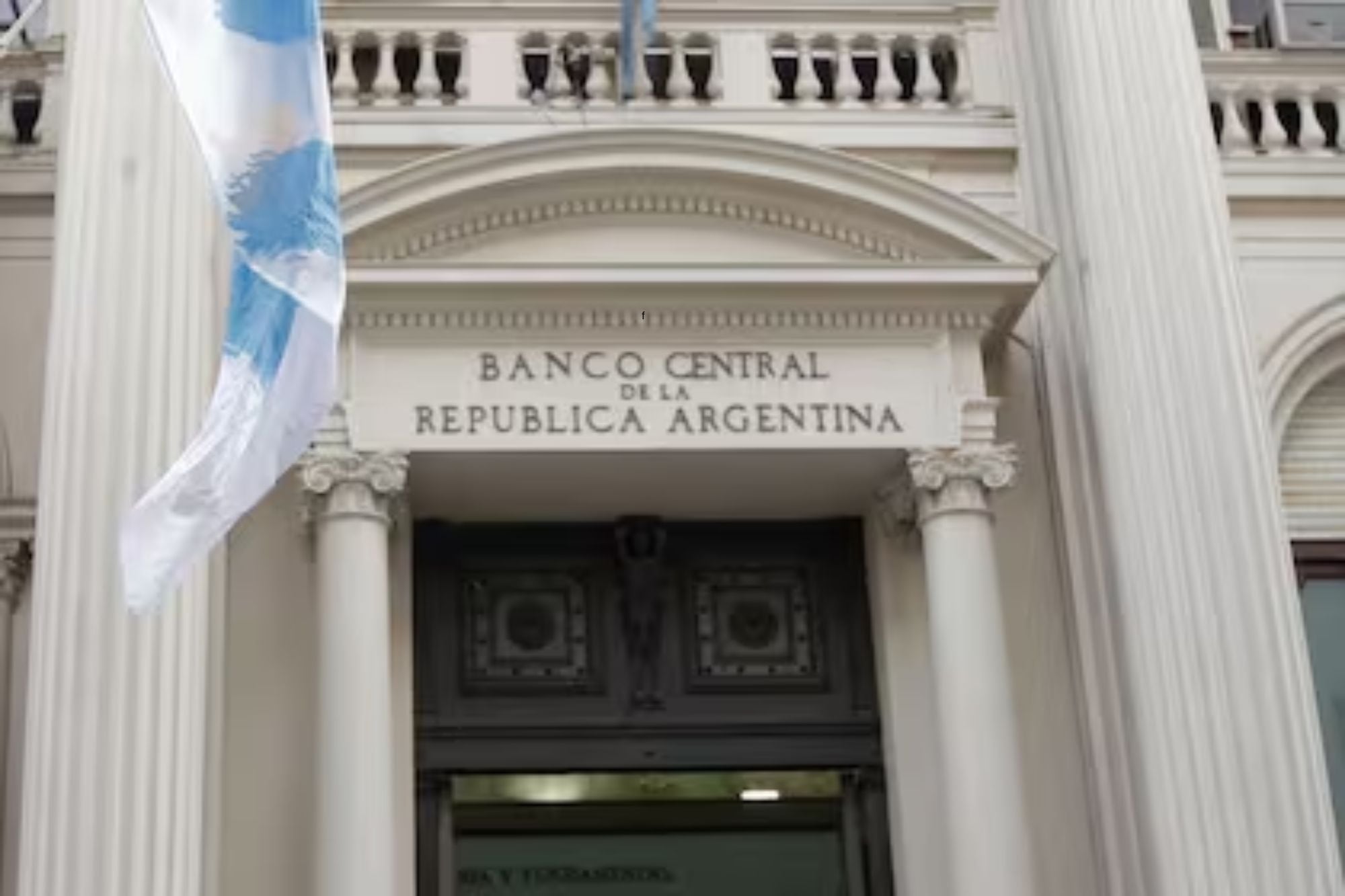
Argentina's Central Bank has undergone significant reforms throughout its 90-year history, with the current administration under President Javier Milei seeking to alter changes implemented during the Kirchnerist era. The foundational law governing the Central Bank has been modified six times since its inception. These modifications reflect evolving economic philosophies and political priorities in Argentina. The latest proposed changes by the Milei government aim to reconfigure the bank's operational framework and potentially its independence. Historically, reforms have often been tied to broader economic stabilization or restructuring programs. The Kirchnerist period saw specific changes to the bank's mandate, which the current government now seeks to address. Understanding these past reforms provides context for the current debate surrounding the Central Bank's role and governance. The frequency of these legal adjustments underscores the ongoing tension between political objectives and the pursuit of monetary stability in Argentina. Each reform has left a distinct imprint on the institution's structure and its relationship with the national government. The current push for reform is part of a larger economic agenda being pursued by President Milei.
The recurring legislative modifications to Argentina's Central Bank charter over nine decades highlight a persistent tension between political governance and the pursuit of monetary policy independence. Each administration's attempts to reshape the institution's mandate, particularly concerning changes made during the Kirchnerist period and now challenged by the Milei government, reflect differing economic ideologies and priorities. This dynamic suggests a systemic challenge in establishing a stable, long-term framework for monetary policy that transcends short-term political cycles. Future governance models may need to incorporate stronger institutional safeguards to ensure continuity and buffer the Central Bank from direct political influence, thereby fostering greater predictability in economic outcomes over the next decade.
AI-generated to prompt reflection — not editorial opinion, not advice, not a statement of fact. How this works.