Central Banks Rethink Communication Strategies Amid Volatility
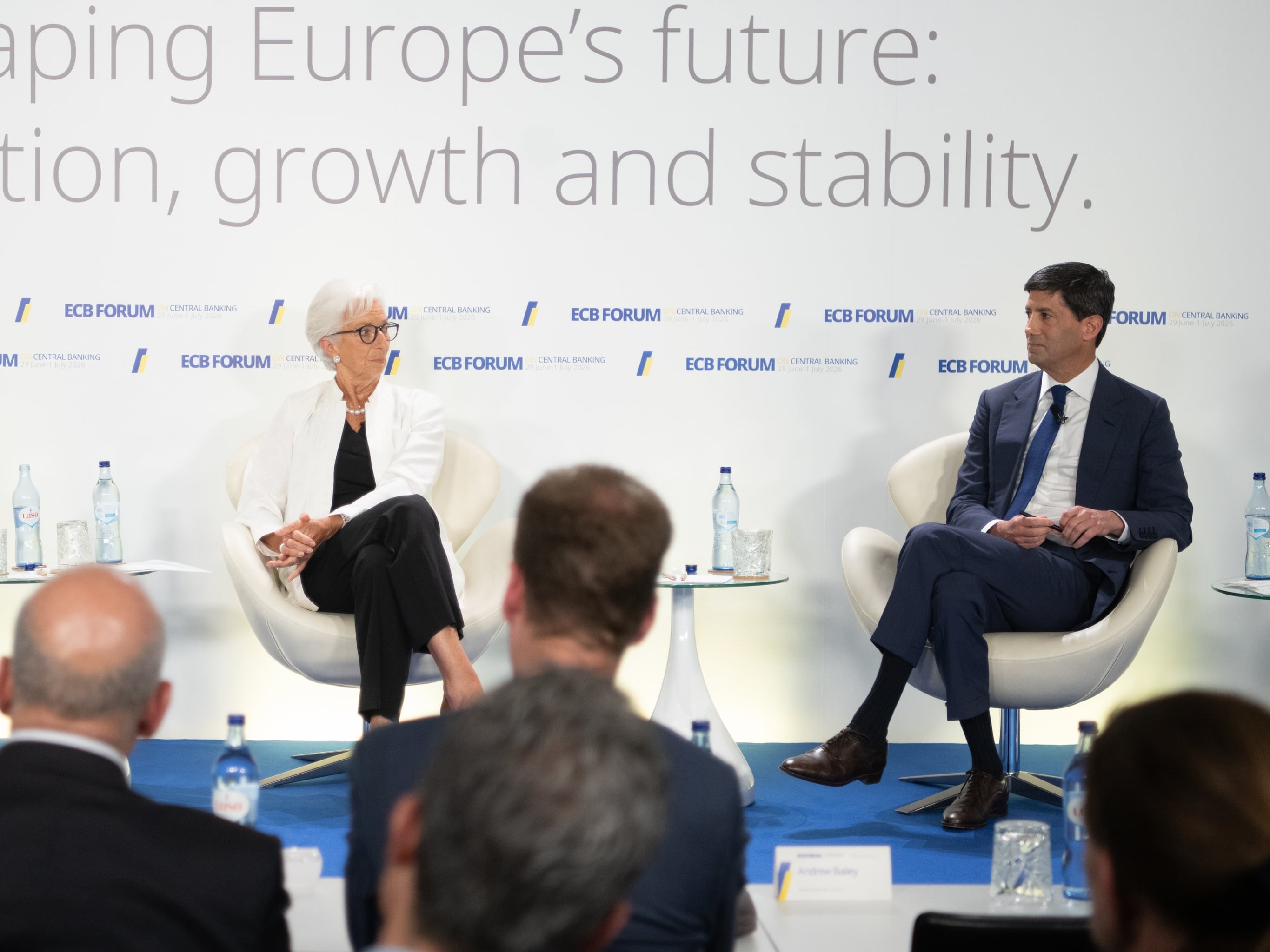
The US Federal Reserve (Fed) is planning to scale back its communication efforts to reduce market noise. Similarly, the European Central Bank (ECB) is abandoning forward guidance on interest rates due to high volatility. These shifts signal a broader trend among central banks to reassess their communication strategies. Historically, forward guidance has been a key tool for central bankers to manage market expectations and influence economic behavior. However, the current unpredictable economic environment, characterized by rapid inflation and geopolitical uncertainty, has made these pronouncements less reliable. The Fed's move suggests a desire to avoid creating confusion or false expectations among investors and the public. The ECB's decision reflects the difficulty in providing stable interest rate forecasts when economic conditions are highly fluid. While these changes may simplify communication, they also introduce new risks. Markets might become more uncertain without clear signals from central banks, potentially leading to increased speculation or misinterpretations. The challenge lies in finding a balance between providing necessary clarity and avoiding communication that becomes obsolete or misleading in a rapidly changing world.
Central banks are navigating a complex communication landscape, attempting to balance transparency with the need for flexibility in volatile economic conditions. The shift away from explicit forward guidance by institutions like the Fed and ECB reflects an acknowledgment of the limitations of predictive communication when faced with unprecedented inflation and geopolitical instability. This recalibration may reduce short-term market noise but could also foster greater uncertainty, requiring market participants to rely more heavily on their own analysis. The long-term implications involve a potential re-evaluation of the tools available to central banks for managing expectations, particularly in an era increasingly shaped by rapid technological and societal shifts. The challenge will be to maintain credibility and effectiveness without relying on communication strategies that may prove unreliable in the face of future economic shocks.
AI-generated to prompt reflection — not editorial opinion, not advice, not a statement of fact. How this works.