Central European Nations' Rhetoric on Ukraine Doesn't Always Match Reality, Diplomat Says
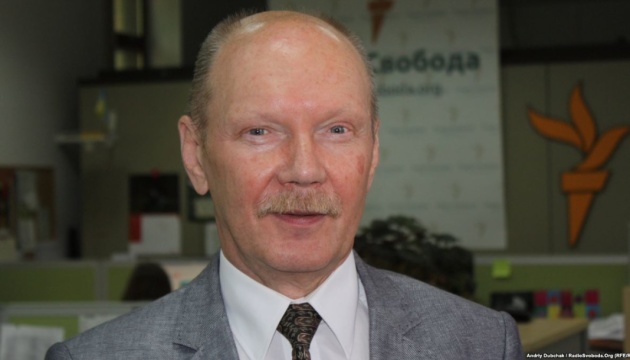
A diplomat has stated that the political rhetoric from certain Central European countries regarding Ukraine does not consistently reflect the actual state of their bilateral relations. This suggests a potential disconnect between public statements and the true nature of diplomatic and economic ties. The diplomat's observation implies that while some nations may express strong support or specific stances publicly, the underlying relationship might be more complex or less aligned than portrayed. This discrepancy could stem from various factors, including domestic political considerations, differing strategic interests, or evolving geopolitical dynamics within the region. The statement highlights the importance of looking beyond official pronouncements to understand the genuine dynamics of international partnerships. It raises questions about the motivations behind such rhetorical divergences and their potential impact on Ukraine's foreign policy and regional stability. Understanding these nuances is crucial for accurate assessment of diplomatic engagements and future cooperation.
The diplomat's observation points to a potential divergence between stated political positions and the practical realities of bilateral relations between Central European nations and Ukraine. This phenomenon can arise from domestic political pressures influencing public discourse, or from differing national interests that are not always overtly communicated. Such discrepancies can create uncertainty in diplomatic engagements and may reflect underlying complexities in regional alliances. Examining the incentives driving these rhetorical strategies, such as seeking to appease specific domestic constituencies or to position oneself within broader European policy debates, is key to understanding the situation. The long-term implications for regional cooperation and Ukraine's integration efforts warrant careful consideration as geopolitical landscapes continue to evolve.
AI-generated to prompt reflection — not editorial opinion, not advice, not a statement of fact. How this works.