Central Italy's "Condominial" Theaters Recognized as UNESCO Heritage
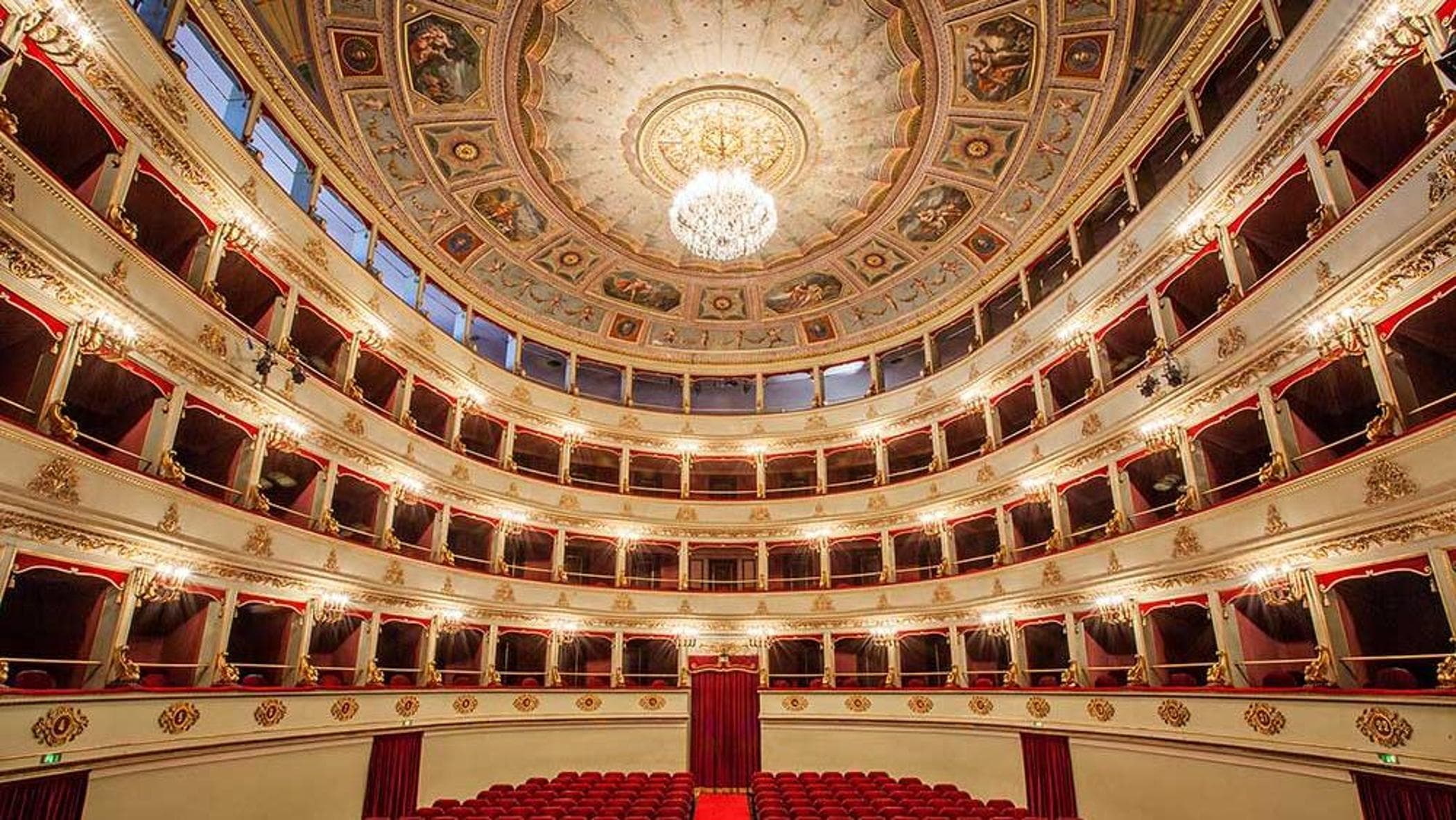
A significant cultural achievement for Central Italy, several "condominial" theaters have been officially recognized as UNESCO World Heritage sites. This latest inscription brings the total number of Italian sites on the UNESCO list to 62. These unique theaters, often referred to as "condominial" due to their shared ownership or community-based management structures, represent a distinctive aspect of Italian cultural history and architectural heritage. Their inclusion highlights the importance of preserving these intimate and historically rich performance spaces. The recognition is expected to boost tourism and cultural interest in the regions where these theaters are located. It also underscores Italy's commitment to safeguarding its diverse cultural assets for future generations. The specific number of theaters included in this recognition was not provided, but their collective designation marks a notable expansion of Italy's UNESCO presence.
The UNESCO designation for Central Italy's "condominial" theaters elevates these community-centric cultural venues to global significance. This recognition highlights a potential systemic contradiction: while many historical cultural sites face funding challenges, this designation may unlock new avenues for preservation and economic support through increased visibility and tourism. The "condominial" model itself, emphasizing shared stewardship, offers a counterpoint to purely commercialized cultural institutions, suggesting a more resilient and community-integrated approach to heritage management. Looking ahead, this recognition could inspire similar efforts to preserve smaller, historically significant cultural assets worldwide, potentially shifting focus from grand monuments to more localized, community-rooted heritage.
AI-generated to prompt reflection — not editorial opinion, not advice, not a statement of fact. How this works.