Central São Paulo Faces Fire Risk Amidst Drought After Severe Storm
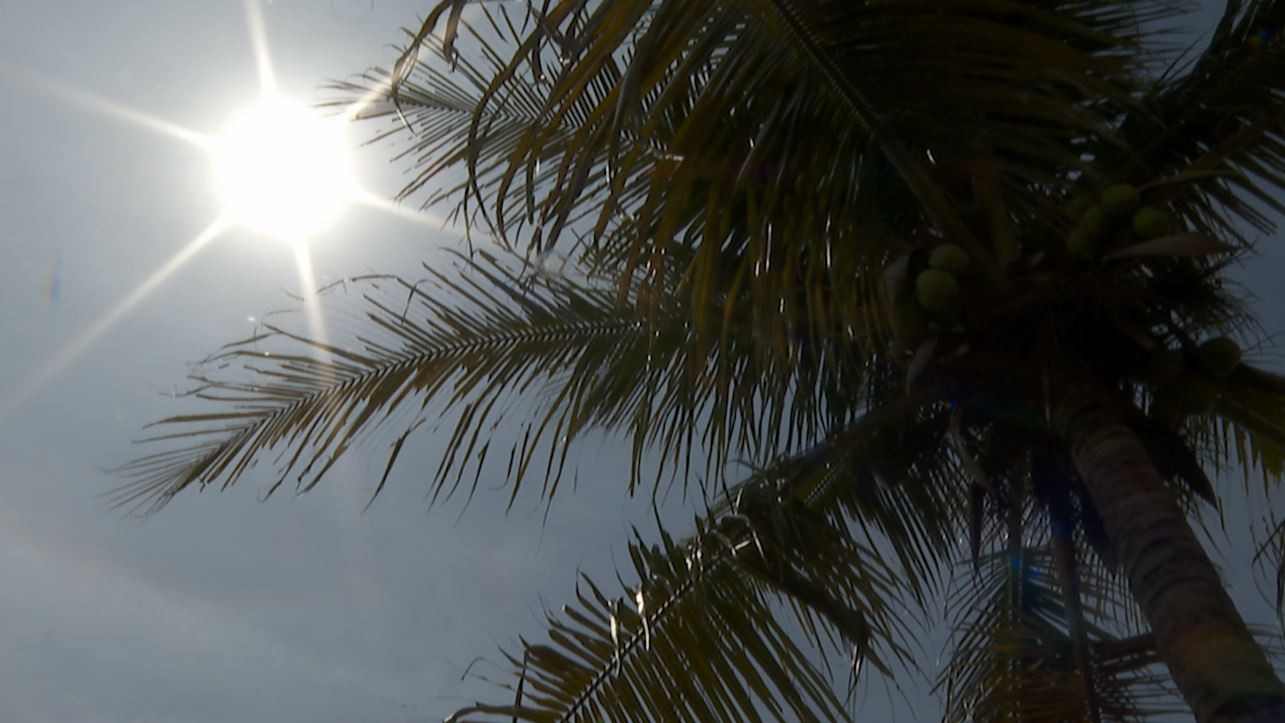
Five days after a severe storm with winds up to 160 km/h caused flooding and destruction in the Ribeirão Preto region of São Paulo, the area is now under a moderate alert for low air humidity and increased fire risk. The Civil Defense issued the warning on Wednesday, October 29th, indicating humidity levels below 30% in Altinópolis and Ribeirão Preto, affecting neighboring municipalities. This drastic shift follows a Friday, October 24th storm that downed trees, damaged roofs, disrupted public services, and led several cities to declare states of emergency. National Civil Defense acknowledged emergencies in Ribeirão Preto, Dumont, and Taquaritinga, with Guariba, Barrinha, and Pradópolis also reporting damage. Ribeirão Preto experienced wind gusts of approximately 120 km/h and 21 millimeters of rain in 20 minutes, resulting in hundreds of fallen trees, power outages, water supply issues, road blockages, damage to public facilities, and one fatality. Meteorological data shows a sharp drop in minimum humidity from 74.1% to 30.6% between July 24-25 and July 28-29, while maximum temperatures rose from 23.3°C to 33.3°C. Only 0.3 millimeters of rain fell in Ribeirão Preto in the four days after the storm, contributing to rapid drying of soil and vegetation. The National Institute of Meteorology (Inmet) had issued a yellow alert for low humidity in northern São Paulo and Minas Gerais, citing conditions favorable for fires. Climatempo forecasts winds up to 70 km/h for Thursday, October 30th, further elevating wildfire risk. Additionally, air quality in Ribeirão Preto was rated as moderate, with fine particulate matter (MP2.5) as the primary pollutant. Low humidity exacerbates respiratory discomfort, especially for vulnerable populations, prompting recommendations to stay hydrated and limit outdoor physical activity.
The rapid transition from severe storm damage to extreme fire risk highlights the volatile weather patterns impacting central São Paulo. This meteorological whiplash, characterized by intense wind and rain followed by prolonged dry heat, creates a dual threat to infrastructure and public safety. The low humidity and high temperatures, exacerbated by strong winds, create an environment ripe for wildfires, a phenomenon amplified by dry vegetation from the preceding drought. This cycle underscores the increasing challenges in disaster preparedness and response, as communities must contend with rapidly shifting environmental conditions. The air quality degradation, linked to low humidity and particulate matter, adds a public health dimension, necessitating adaptive strategies for respiratory well-being. Future planning must account for such unpredictable weather extremes, integrating climate resilience into urban and rural development to mitigate both storm-related and fire-related impacts.
AI-generated to prompt reflection — not editorial opinion, not advice, not a statement of fact. How this works.