Centuries-Old Copaiba Tree Inspires Children's Book in Pouso Alegre, Brazil
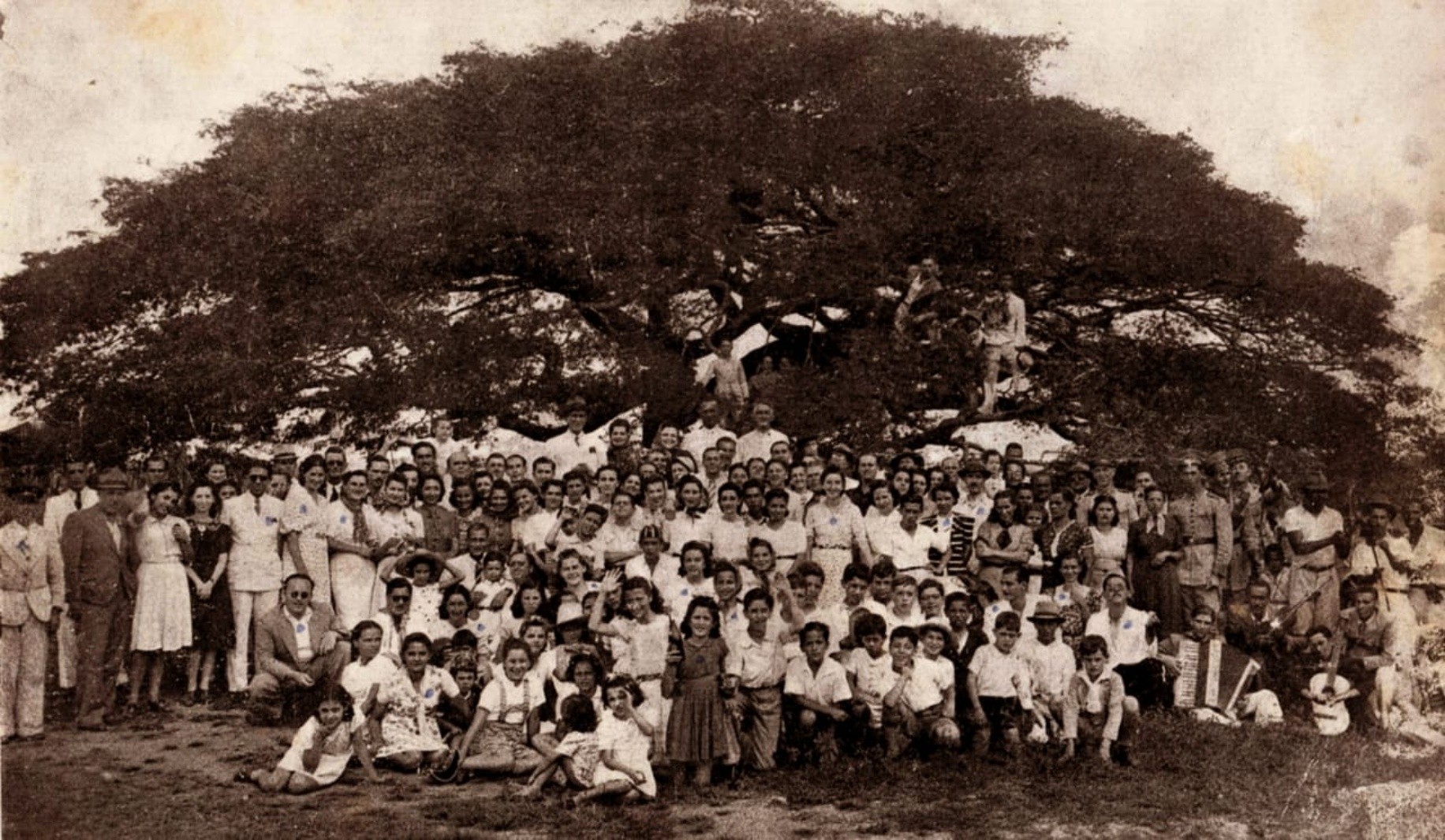
A children's book has been released, celebrating the story of a 200-year-old copaiba tree that lent its name to the Árvore Grande neighborhood in Pouso Alegre, Minas Gerais, Brazil. The book, launched on Saturday, March 25th, at the Árvore Grande Square, narrates the city's history from the perspective of the tree itself, which is considered a significant historical symbol of the municipality.
Designated a historical heritage site in 1999, the copaiba tree has been a landmark since at least the early 20th century, witnessing the city's growth. It holds a special place in the collective memory of residents, serving as a childhood gathering spot. Despite a structural issue in 2013 that required a recovery effort, the tree remains an iconic feature of the neighborhood.
Writer and illustrator Artur Fujita conceived the book to create a narrative rooted in the local reality and to promote appreciation for regional heritage. Fujita aims to instill pride in the city among young readers and emphasize the importance of preserving both historical memory and the environment, drawing lessons from the past to avoid repeating mistakes.
This initiative highlights the power of local heritage in fostering community identity and environmental awareness. By personifying a natural landmark, the children's book serves as a creative tool to engage younger generations with their history and surroundings. This approach can be replicated in other communities seeking to strengthen their connection to place and promote ecological stewardship. The narrative implicitly underscores the long-term value of preserving natural and cultural assets, suggesting that such landmarks are not merely scenery but integral components of a city's living history and social fabric. Future urban planning could benefit from integrating such community-driven heritage preservation efforts into development strategies, ensuring that historical and natural elements are recognized as vital infrastructure for social cohesion and resilience.
AI-generated to prompt reflection — not editorial opinion, not advice, not a statement of fact. How this works.