CEOE President Criticizes Unions Over Sick Leave: "Not Being Responsible"
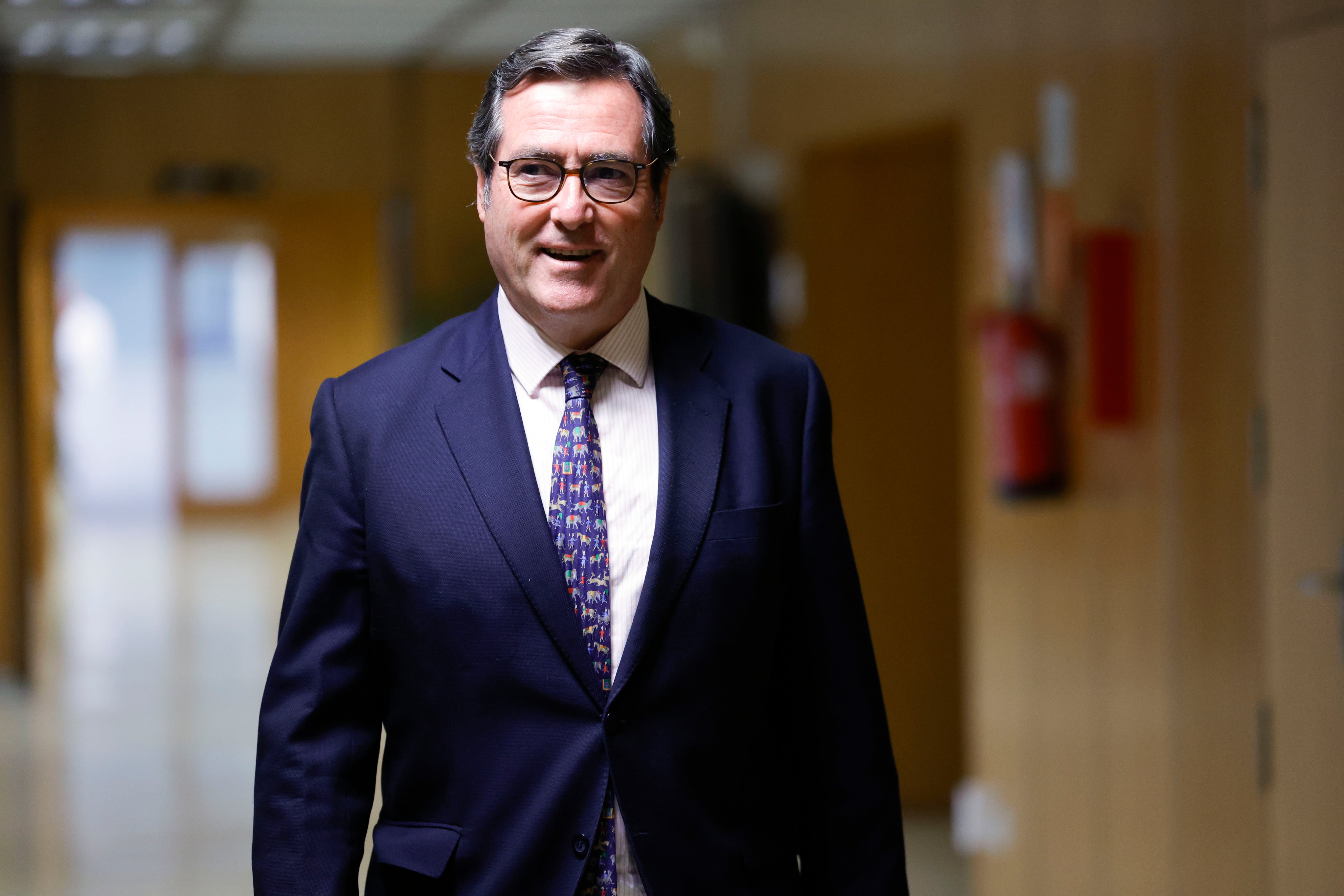
Antonio Garamendi, president of the Spanish business confederation CEOE, has strongly criticized labor unions regarding sick leave policies. He suggests that a new agreement on collective bargaining will not be reached without reforms addressing the rise in temporary incapacity, which he described as a "hidden tax" on businesses. Garamendi implied that unions are not acting responsibly in this matter. The CEOE president's remarks indicate a significant point of contention between employer organizations and unions in Spain. The issue of temporary incapacity is a key concern for businesses facing increased costs and potential disruptions. Garamendi's stance suggests a demand for structural changes to how sick leave is managed and potentially utilized. This conflict could impact future labor negotiations and the broader economic landscape for Spanish companies.
The CEOE's criticism of unions over temporary incapacity highlights a fundamental tension between labor cost management and worker welfare. From a business perspective, rising sick leave can represent a direct financial burden and operational challenge, potentially impacting productivity and profitability. The framing of temporary incapacity as a "hidden tax" suggests a perception of misuse or inefficiency within the current system. However, from a labor union standpoint, robust sick leave provisions are often viewed as essential worker protections, safeguarding income and health during periods of illness or injury. The CEOE's call for reforms, without specifying details, implies a desire for stricter eligibility criteria, shorter durations, or increased oversight, which could disproportionately affect workers. Future negotiations will likely involve balancing these competing interests, exploring potential reforms that could include improved preventative healthcare measures, more efficient return-to-work programs, or revised administrative processes, all while ensuring that genuine worker needs remain paramount.
AI-generated to prompt reflection — not editorial opinion, not advice, not a statement of fact. How this works.