Cephalopod Brain Size Linked to Habitat, Study Suggests
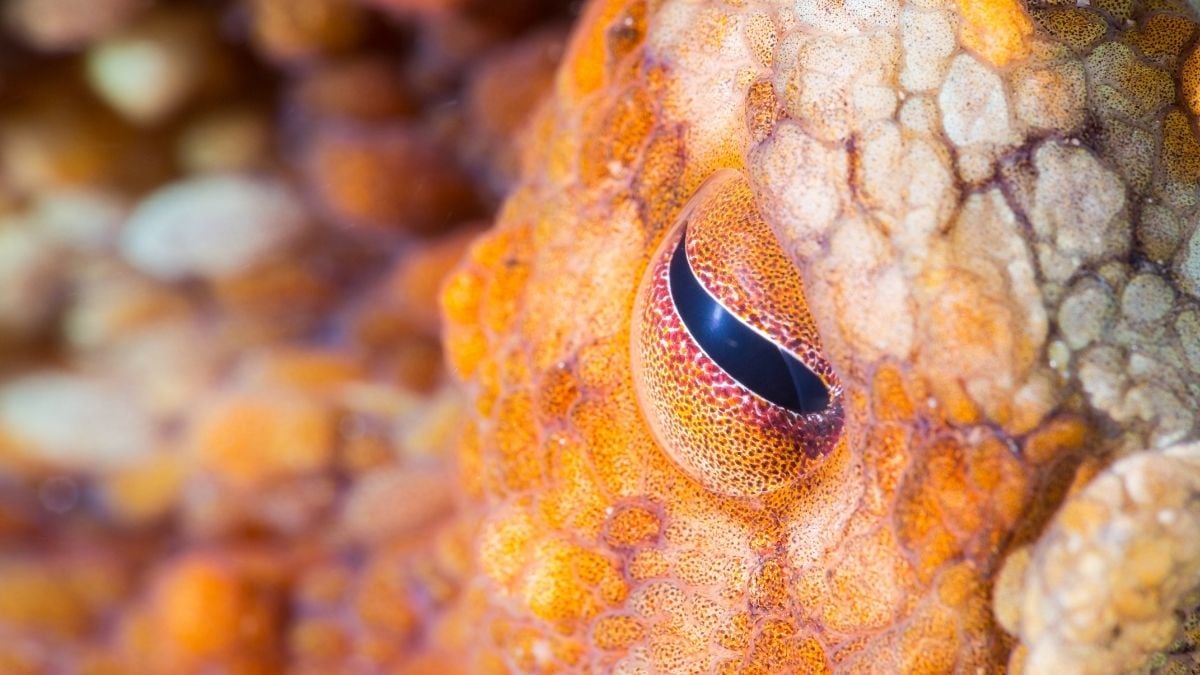
New research indicates a surprising correlation between the brain size of cephalopods and their specific habitats. The findings suggest that what a cephalopod knows, rather than its social connections, may be a more significant factor in its cognitive development. This challenges traditional assumptions about the drivers of intelligence in these marine invertebrates. The study, published by ScienceAlert, emphasizes the importance of environmental factors in shaping the evolution of cephalopod brains. While the exact mechanisms are still under investigation, the researchers propose that the complexity and demands of different marine environments play a crucial role. This could explain why species living in more intricate or challenging settings might possess larger or differently structured brains. Further research is needed to fully understand the implications of this discovery for cephalopod biology and behavior. The study highlights the diversity of intelligence across the animal kingdom and the unique evolutionary paths taken by different species.
This research prompts a re-evaluation of intelligence drivers in non-vertebrate species, suggesting environmental complexity may be a primary evolutionary pressure for larger cephalopod brains. This perspective contrasts with some vertebrate models where social complexity is often highlighted. The findings could imply that the adaptive challenges posed by a habitat—such as navigation, foraging in diverse substrates, or predator avoidance in varied ecological niches—are more significant selective forces for cognitive capacity in cephalopods than social interaction. Understanding this distinction is crucial for a broader theory of intelligence evolution, especially as we consider the potential for advanced cognition in diverse biological systems, including those that may arise in artificial intelligence.
AI-generated to prompt reflection — not editorial opinion, not advice, not a statement of fact. How this works.