Cervinia Glacier Faces Closure as Summer Skiing Operations Cease
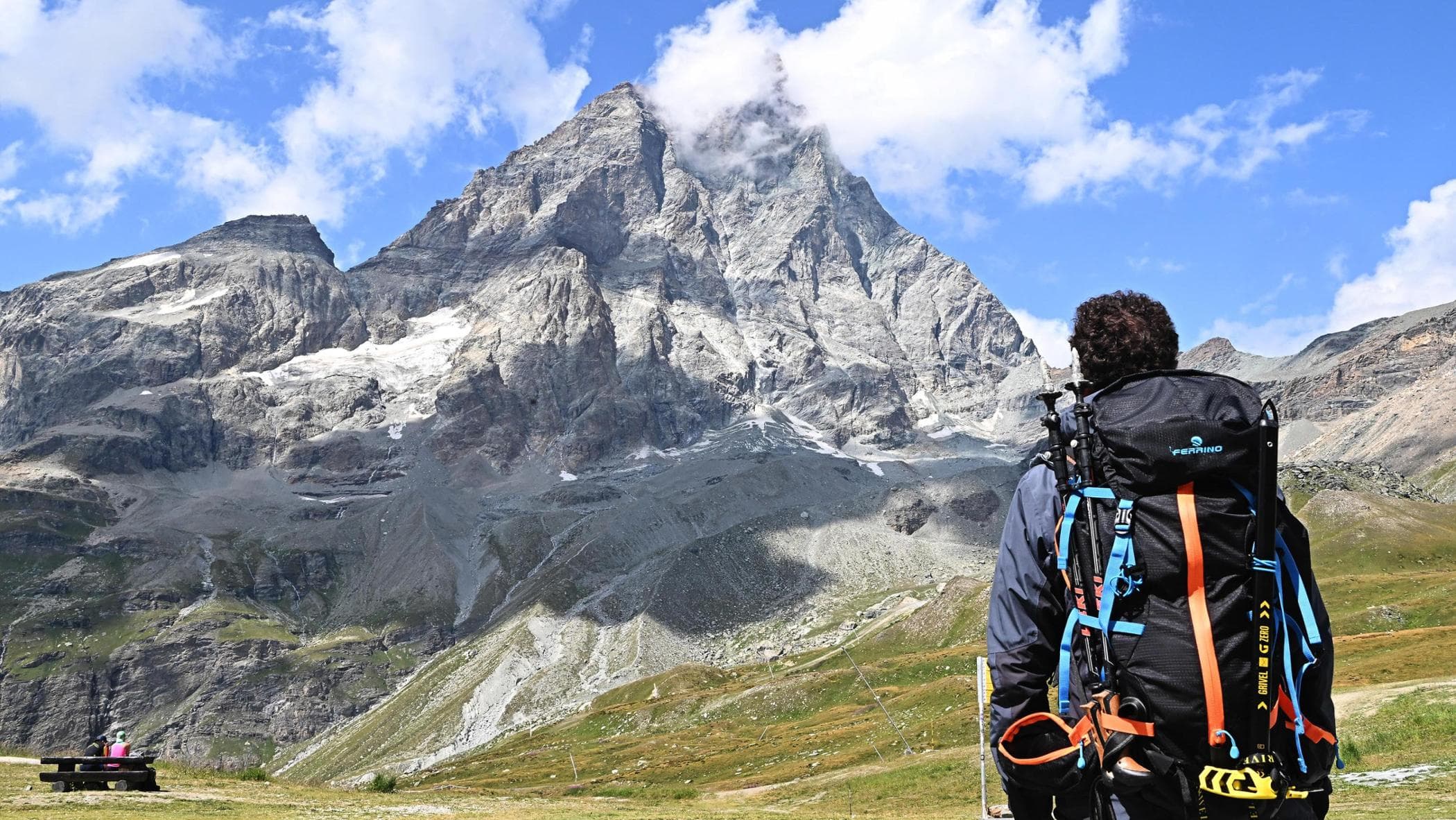
Summer skiing operations on the Cervinia glacier have been suspended, leaving the "liquid glacier" without its usual tourist activities. Visitors were seen at 3,000 meters altitude wearing t-shirts, indicating unusually warm conditions. The closure signifies a significant shift for the region, which has relied on summer skiing as a draw. Italian ski champion Federica Brignone shared a dramatic video highlighting the situation, expressing concern over the glacier's state. This development underscores the growing impact of climate change on alpine environments and traditional tourism models. The cessation of summer skiing operations at such a high altitude points to the increasing challenges faced by winter sports resorts in adapting to rising global temperatures. The "liquid glacier" moniker suggests a concerning rate of melt, impacting the very foundation of the resort's summer offerings.
The suspension of summer skiing at Cervinia, driven by warming temperatures impacting glacial ice, highlights a critical systemic contradiction. Traditional tourism models, heavily reliant on predictable seasonal conditions, are increasingly vulnerable to climate change's accelerating effects. This event prompts consideration of adaptive strategies for alpine resorts, potentially shifting focus from snow-dependent activities to year-round attractions that leverage the unique mountain environment. The long-term viability of such operations may depend on innovative approaches to resource management and diversification, anticipating a future where climate volatility is a persistent factor.
AI-generated to prompt reflection — not editorial opinion, not advice, not a statement of fact. How this works.