Ceuta Border: 8km Stretch Between Spain and Morocco, EU's Migratory Flashpoint
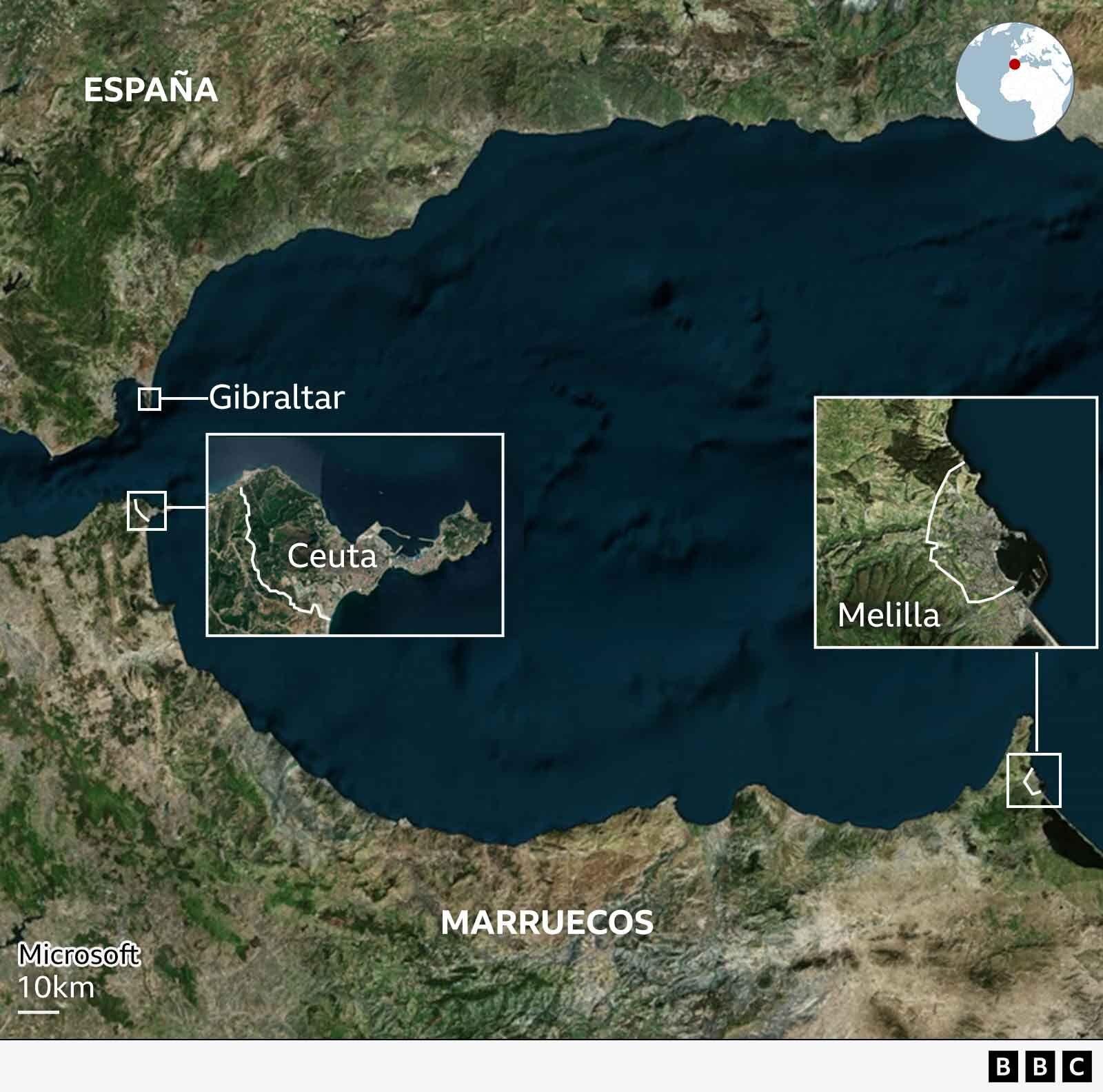
Approximately 50,000 migrants attempted to cross from Morocco into Ceuta earlier this week, aiming to reach European territory. The Spanish government reported that the majority of these individuals had returned to their home country by Friday. This 8-kilometer border area has become a focal point for migratory tensions involving the European Union. The influx highlights the ongoing challenges faced at this specific frontier between Spain and Morocco. Ceuta, an autonomous Spanish city located on the north African coast, shares this land border with Morocco. The situation underscores the complex dynamics of irregular migration flows into Europe. The rapid movement and subsequent return of such a large group indicate a fluid and rapidly changing situation on the ground. This event brings renewed attention to the security and humanitarian concerns associated with this border.
The recent surge of nearly 50,000 migrants attempting to cross into Ceuta from Morocco represents a significant challenge to border management and European migration policy. This event underscores the persistent pressure on the EU's external borders and the complex interplay between geopolitical factors, economic disparities, and humanitarian concerns. The rapid mobilization and subsequent repatriation of such a large group suggest a dynamic situation influenced by various actors and potential triggers. Future policy considerations may need to address root causes of migration more effectively, alongside enhanced border security measures, to foster more sustainable and humane solutions. The incident also highlights the strategic importance of enclaves like Ceuta and Melilla as critical points of entry and potential flashpoints for international relations.
AI-generated to prompt reflection — not editorial opinion, not advice, not a statement of fact. How this works.