Ceuta Border: Youth Excursion or Illegal Invasion?
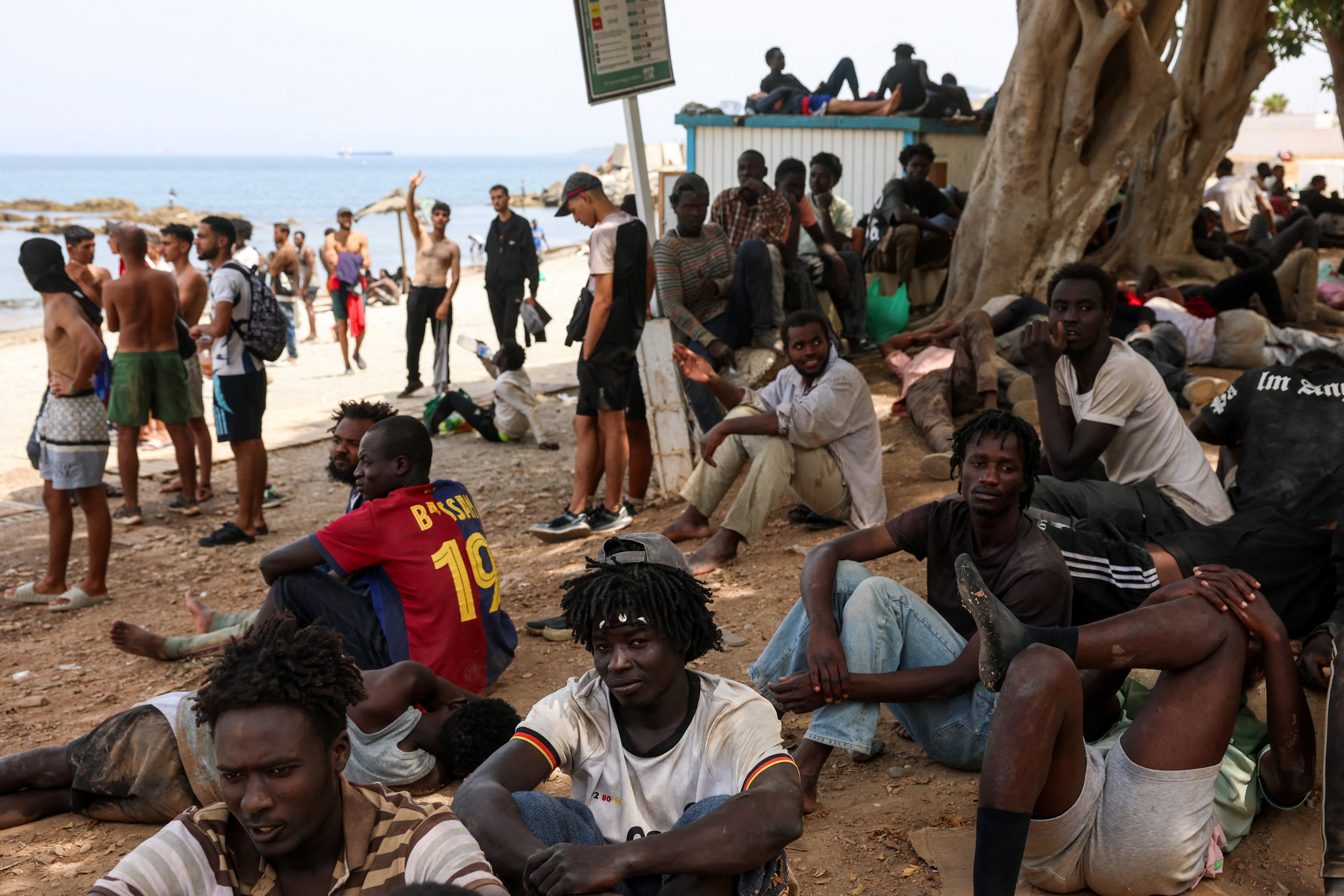
The question of whether recent border crossings into Ceuta constitute an 'invasion' or an 'illegal youth excursion' is being debated. Spanish authorities emphasize the need for legitimate defense of their borders. However, this defense must be balanced with a scrupulous respect for the rights of those arriving. The situation highlights the complex interplay between national security and humanitarian considerations at international borders. The nature of the event, whether it was a coordinated influx or a series of individual attempts, remains a key point of contention. This distinction is crucial for determining the appropriate response and legal framework. The rights of migrants and asylum seekers are a significant factor in international border management. The incident underscores the ongoing challenges faced by countries in managing migration flows while upholding human rights principles. The differing interpretations of the event reflect broader global discussions on migration policy and border control.
The framing of border events as either 'invasion' or 'excursion' reveals a tension between state security imperatives and humanitarian obligations. The discourse surrounding such events often carries significant political weight, influencing policy and public perception. From a systemic perspective, the challenge lies in developing robust border management frameworks that uphold national sovereignty while adhering to international human rights law and refugee conventions. Future policy will likely need to balance immediate security concerns with long-term strategies for addressing the root causes of migration and ensuring humane treatment of individuals seeking refuge or opportunity. The effectiveness of such frameworks will be tested by evolving global migration patterns and geopolitical dynamics.
AI-generated to prompt reflection — not editorial opinion, not advice, not a statement of fact. How this works.