Ceuta Crisis Exposes European Right's Opposition to Spanish PM Sánchez
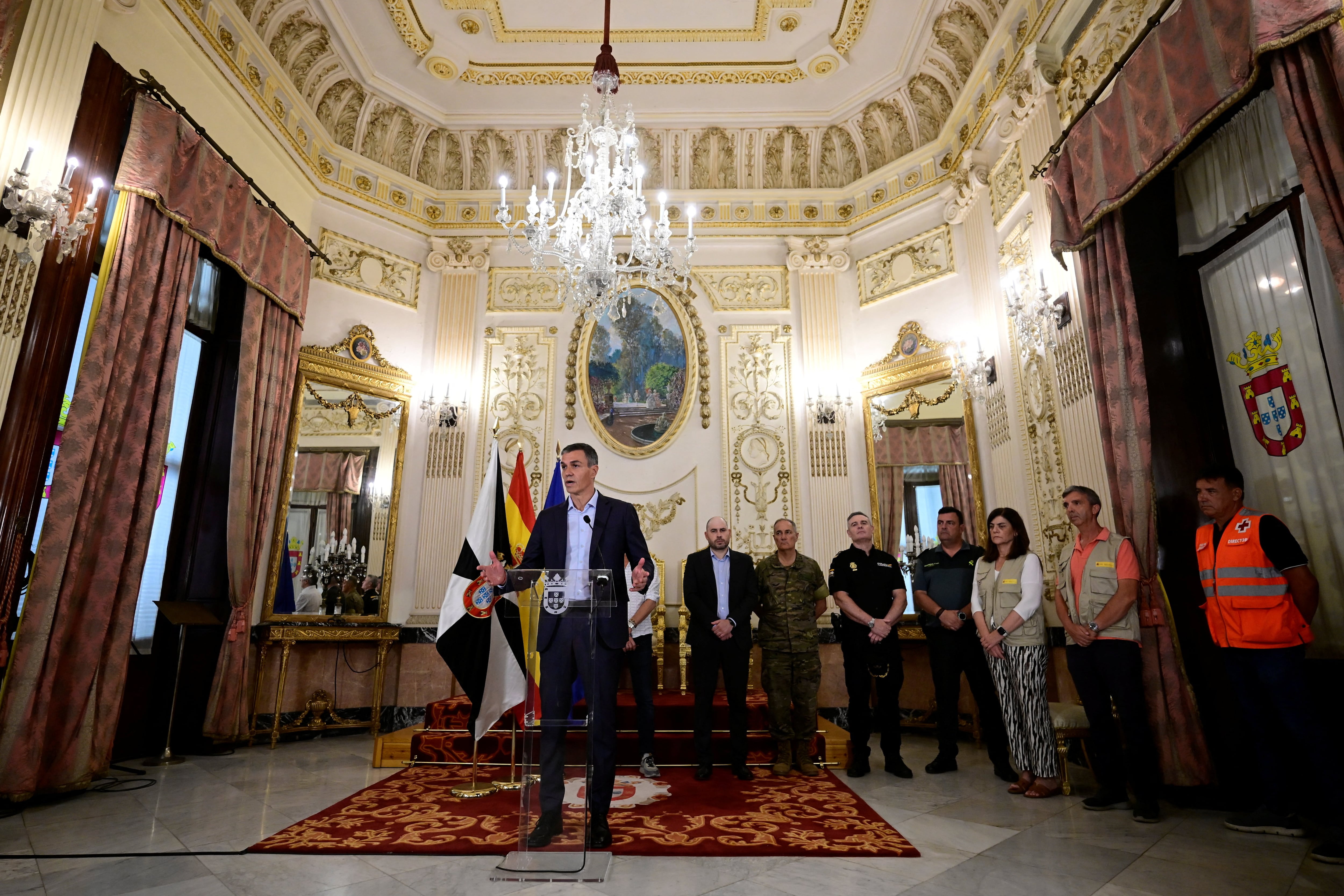
Spanish Prime Minister Pedro Sánchez finds himself increasingly isolated in Europe amidst the Ceuta crisis. He has accused his European partners of a lack of solidarity regarding the situation. Domestically, the crisis has fueled political battles, with opposition parties PP and Vox intensifying their rhetoric on immigration. The situation highlights a growing divide within Europe on how to manage migration flows and border security. Sánchez's government faces pressure from both international allies and internal political opponents. The events in Ceuta underscore the complex geopolitical challenges Spain faces in its role as a gateway to Europe. The differing approaches to immigration among EU member states are becoming more pronounced, creating friction and straining diplomatic relations. The Spanish right-wing parties are leveraging the immigration issue to challenge Sánchez's leadership and policy decisions. This internal political maneuvering adds another layer of complexity to the already tense international situation.
The Ceuta crisis reveals a divergence in European approaches to migration, creating political friction between Spain and its EU partners. Prime Minister Sánchez's call for solidarity suggests a perceived imbalance in burden-sharing, potentially stemming from differing national interests and capacities in managing external borders. The domestic political response from PP and Vox indicates a strategic use of immigration as a wedge issue, aiming to capitalize on public sentiment and challenge the ruling party's authority. This situation exemplifies the ongoing tension between national sovereignty and collective European responsibility in immigration policy, a dynamic likely to persist and evolve as geopolitical pressures shift. Future policy discussions may need to address more robust, equitable frameworks for border management and humanitarian response across the bloc.
AI-generated to prompt reflection — not editorial opinion, not advice, not a statement of fact. How this works.