Ceuta Crisis Highlights Geopolitical Stakes for European Sovereignty
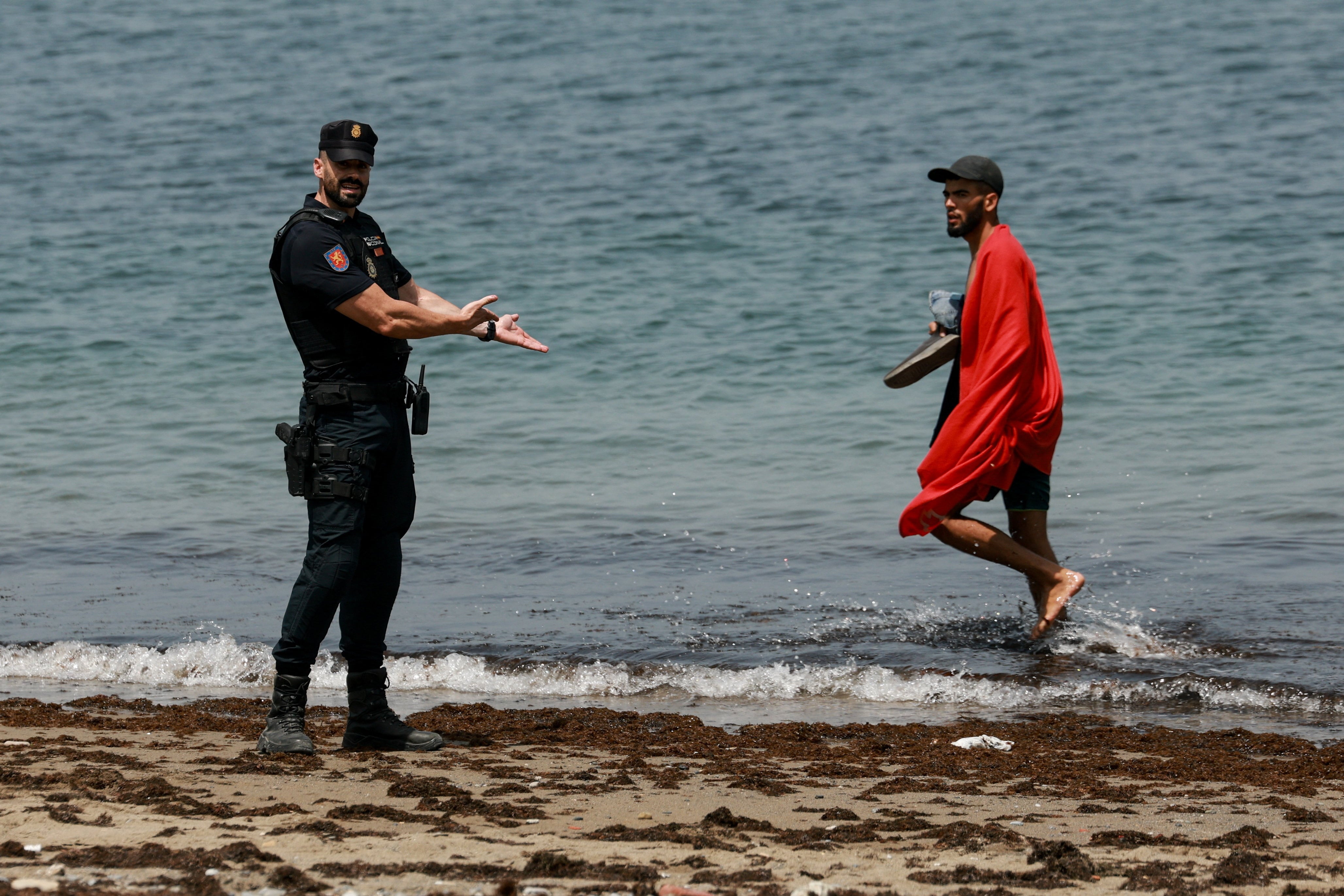
Spain asserts that European Union partners must offer support when a member state's sovereignty is challenged, whether through conventional or hybrid threats. This call comes amidst a crisis involving Ceuta, a Spanish autonomous city located on the northern coast of Africa. The situation underscores the complex geopolitical dynamics at play, where territorial integrity and national sovereignty are tested by various forms of pressure. Spain's position emphasizes the need for collective security and solidarity among EU members in the face of external challenges. The crisis in Ceuta serves as a focal point for discussions on how the EU should respond to threats that extend beyond traditional military confrontations. It highlights the interconnectedness of regional stability and the broader European security architecture. The situation demands a unified approach to safeguard the sovereignty of all member states.
The Ceuta crisis illustrates how localized territorial disputes can escalate into broader geopolitical challenges, testing the solidarity and response mechanisms of international blocs like the European Union. The situation highlights the tension between national sovereignty claims and the collective security interests of member states. Future geopolitical strategies will likely need to account for the increasing prevalence of hybrid threats, which blur the lines between conventional conflict and other forms of statecraft, demanding adaptable and coordinated responses from international bodies. The EU's ability to project a unified stance on such issues will be crucial in maintaining its credibility and ensuring the stability of its external borders.
AI-generated to prompt reflection — not editorial opinion, not advice, not a statement of fact. How this works.