Ceuta Deaths: Victims Were Poor, Had Names and Families
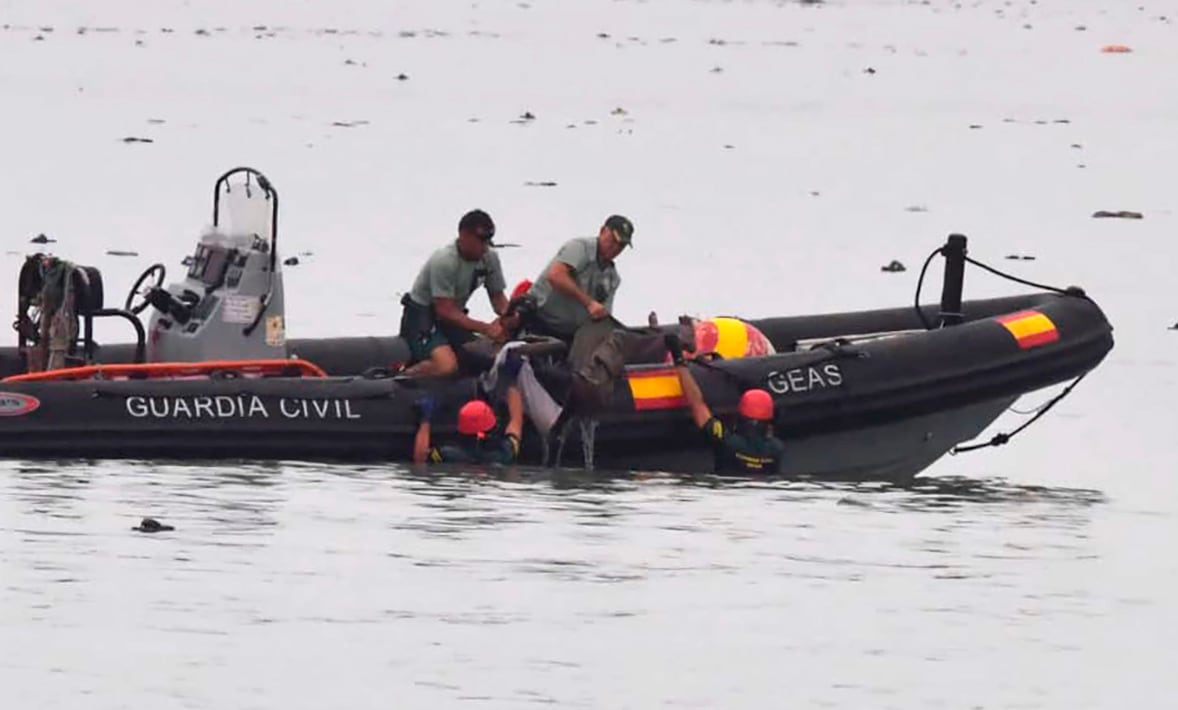
The deceased individuals in Ceuta were identified as victims, and it is noted that they were poor. Each person had a name, a personal history, a family, and experienced fear. The original statement emphasizes their humanity, suggesting they were not merely statistics but individuals with lives and emotions. This perspective aims to highlight the tragic circumstances and the human cost associated with the events in Ceuta. The focus on their poverty, personal stories, and fear serves to evoke empathy and underscore the vulnerability of those affected. The statement implies a broader societal issue where vulnerable populations are disproportionately impacted by such tragedies.
The narrative framing of the deceased as 'victims' and 'poor' highlights a common societal tendency to categorize individuals based on socioeconomic status and misfortune. This perspective may serve to elicit sympathy or to underscore systemic inequalities that contribute to vulnerability. Analyzing the situation through the lens of incentive structures, one might consider the factors that lead individuals to undertake perilous journeys and the responsibilities of governing bodies in ensuring safe passage and humane treatment. Future considerations should focus on addressing the root causes of such migration and developing more effective, ethical frameworks for border management that prioritize human dignity and safety, rather than solely focusing on the immediate tragic outcomes.
AI-generated to prompt reflection — not editorial opinion, not advice, not a statement of fact. How this works.
