Ceuta Incident Deemed "Hybrid Attack," Not Just Migration
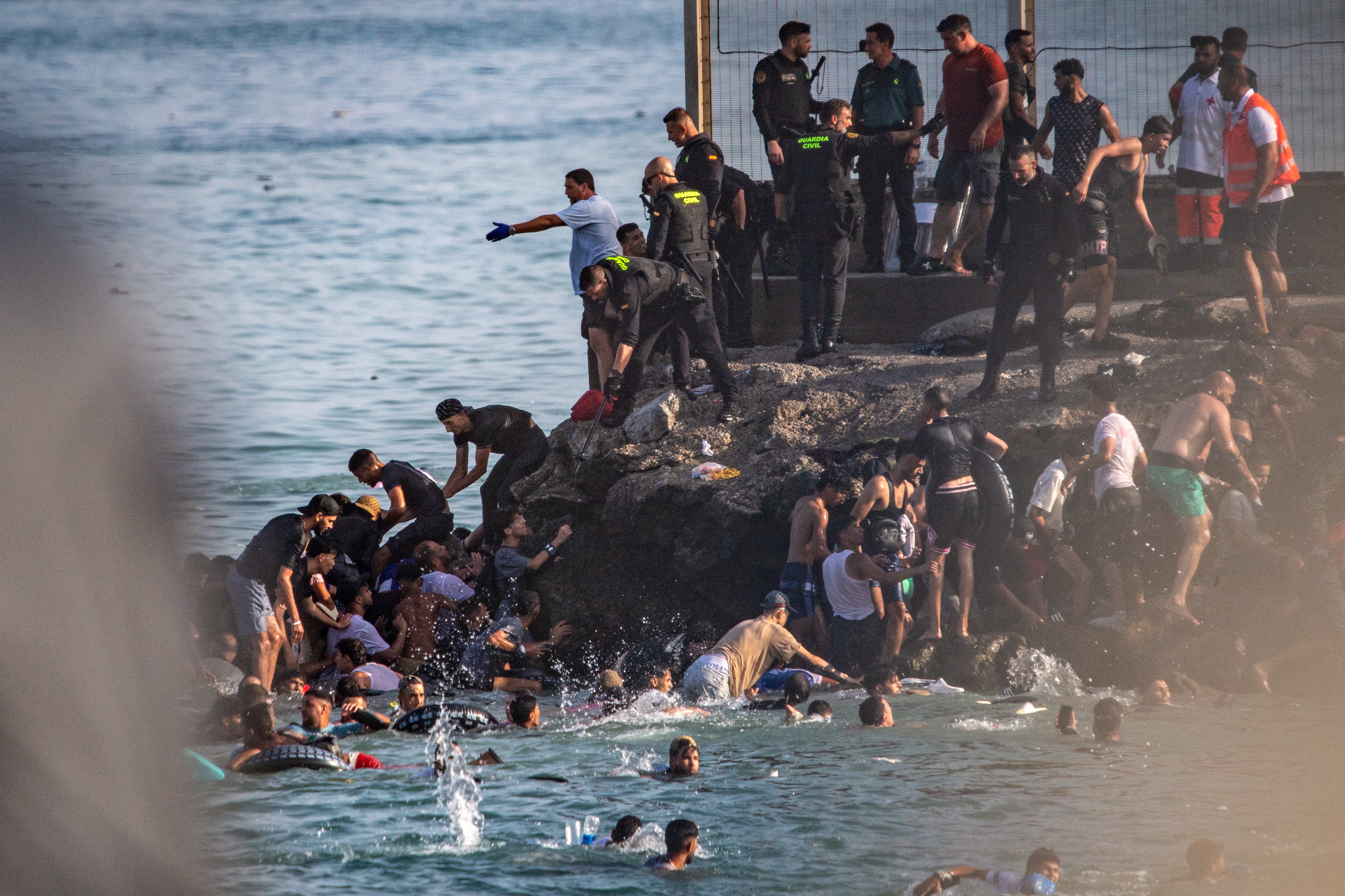
The recent events in Ceuta have been characterized not as a simple migration issue, but as a "hybrid attack." This designation suggests a more complex and potentially orchestrated situation beyond typical migratory flows. The situation requires a multifaceted approach, encompassing humanitarian, political, legal, and diplomatic dimensions. Addressing the root causes and the immediate consequences is crucial for resolving the crisis. The incident highlights the need for coordinated international efforts to manage borders and address humanitarian concerns effectively. The distinction between migration and a "hybrid attack" implies a deliberate strategy by certain actors, necessitating a response that considers security and geopolitical factors alongside humanitarian aid. This complex situation demands careful consideration of all involved parties and their respective roles. The multifaceted nature of the problem underscores the importance of robust diplomatic channels and legal frameworks to prevent future escalations.
The framing of the Ceuta events as a "hybrid attack" rather than a migration issue signals a potential shift in how state actors perceive and respond to cross-border movements. This language may serve to justify more stringent security measures and potentially alter diplomatic negotiations. From a systems perspective, such a designation could reflect an increasing concern over the weaponization of migration flows by state or non-state actors to achieve political objectives, a phenomenon that may become more prevalent in an era of geopolitical competition. The call for a response across humanitarian, political, legal, and diplomatic spheres acknowledges the complexity, but the "hybrid attack" framing might prioritize security and state sovereignty over immediate humanitarian needs, creating inherent tensions in policy formulation. Future policy will likely grapple with balancing border security imperatives against international humanitarian obligations, particularly as technological advancements offer new methods for both border control and cross-border movement.
AI-generated to prompt reflection — not editorial opinion, not advice, not a statement of fact. How this works.