Ceuta Migrant Crisis: A Snapshot of Desperation and Unmet Hopes
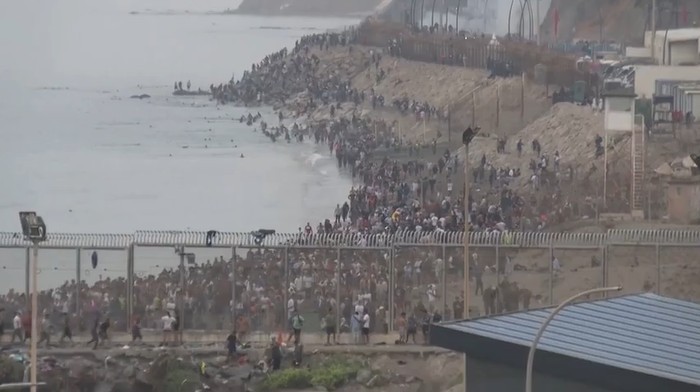
The Brazilian news program Fantástico visited Ceuta, a Spanish enclave on the African continent, to document a recent surge in migration that overwhelmed the city. This enclave, bordering Morocco, became the epicenter of a crisis that saw nearly 50,000 people arrive in just two days, effectively doubling the city's population. Many migrants scaled fences or braved the sea, driven by a lack of opportunities, work, and future prospects in their home countries. Photographer João Porfírio described the scene as overwhelming, with people covering the sand, a sight that has stayed with him. Ceuta's unique geography makes it a key entry point into Europe, and the influx exposed significant border control vulnerabilities. Moroccan social media reportedly provided guidance on crossing methods and necessary equipment, while Spanish authorities also cited organized crime groups specializing in human trafficking as a contributing factor to the mass arrival. Following the surge, Spanish police and soldiers were involved in returning many migrants, some injured, to Morocco. Stories gathered by the report highlighted the desperation for employment to support families back home. One individual, Ayub, described reaching Ceuta by swimming, only to be intercepted and allegedly injured by police, with his phone rendered unusable, preventing contact with his family before his return to Morocco. Human rights organizations note that over 1.5 million young Moroccans between 15 and 25 years old are neither studying nor working, underscoring the lack of opportunities as a primary driver for this migration attempt. Despite facing challenges, some, like a refugee from Sudan who had traversed four African countries, remain determined to rebuild their lives and seek asylum in Spain, emphasizing their desire for education and to support their families. Ceuta once again symbolizes the stark socioeconomic disparities between Africa and Europe, with this recent wave of migration highlighting an ongoing crisis that continues to challenge the continent.
The events in Ceuta highlight systemic issues at the intersection of economic disparity, geopolitical boundaries, and human aspiration. The rapid influx of migrants, driven by a lack of opportunities in their countries of origin, underscores the limitations of current border control mechanisms when faced with large-scale humanitarian pressures. The reported guidance on crossing methods and the involvement of criminal organizations point to complex challenges in managing irregular migration, suggesting that enforcement alone is insufficient. Addressing the root causes of such mass movements requires a multi-faceted approach that considers regional economic development, educational access, and the establishment of legal pathways for migration. The situation in Ceuta serves as a stark reminder of the persistent global inequalities that compel individuals to undertake perilous journeys in pursuit of a better future, posing ongoing questions about international cooperation and humanitarian responsibility.
AI-generated to prompt reflection — not editorial opinion, not advice, not a statement of fact. How this works.
