Ceuta Migrant Crisis is a Warning for All of Europe, Says Observatory Director
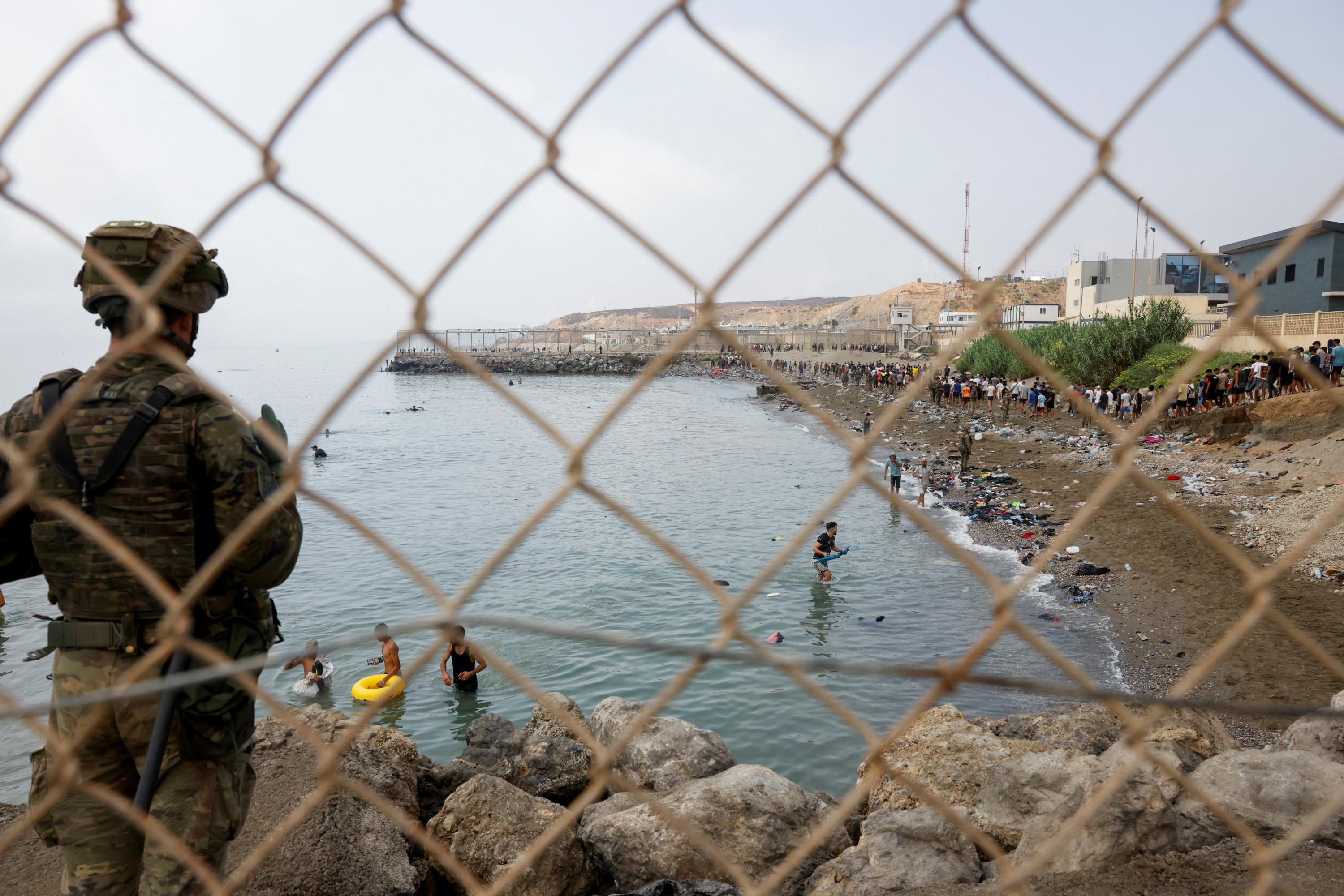
Nicolas Pouvreau-Monti, director of the Observatory of Immigration and Demography, warns that the recent influx of nearly 60,000 migrants crossing the border from Morocco into Spanish territory in a single day is not an isolated incident but a significant warning. This crisis, which occurred on a specific, unnamed day, highlights a complex web of accumulated errors and naivety. Pouvreau-Monti argues that the lessons learned from this event are applicable not only to Spain but to the entirety of Europe. The situation underscores the vulnerability of external borders and the challenges associated with managing large-scale migration flows. The director's analysis suggests a need for a re-evaluation of current immigration policies and border management strategies across the continent. He implies that a failure to address these underlying issues could lead to similar or even more severe crises in other European nations. The sheer volume of migrants in such a short period points to significant pressures and potentially new patterns in migration routes. This event serves as a critical case study for European policymakers regarding border security and humanitarian responsibilities.
The Ceuta border incident, involving a rapid influx of nearly 60,000 migrants, serves as a stark illustration of the complex interplay between geopolitical stability, economic disparities, and migration pressures. The event underscores the challenges inherent in managing external borders for large political blocs like the European Union, particularly when faced with concentrated surges. Pouvreau-Monti's framing as an 'anomalous warning' suggests a need to examine the systemic factors that enable such rapid movements, including potential shifts in transit routes or increased incentives for migration. Future policy discussions should consider the long-term implications of border management strategies, balancing security imperatives with humanitarian considerations and the capacity for integration. The incident prompts a forward-looking perspective on how evolving global dynamics might necessitate adaptive and coordinated responses across Europe to ensure stable and predictable migration governance.
AI-generated to prompt reflection — not editorial opinion, not advice, not a statement of fact. How this works.