Ceuta Migrant Crisis: Key Factors Behind Border Surge and Tragic Losses
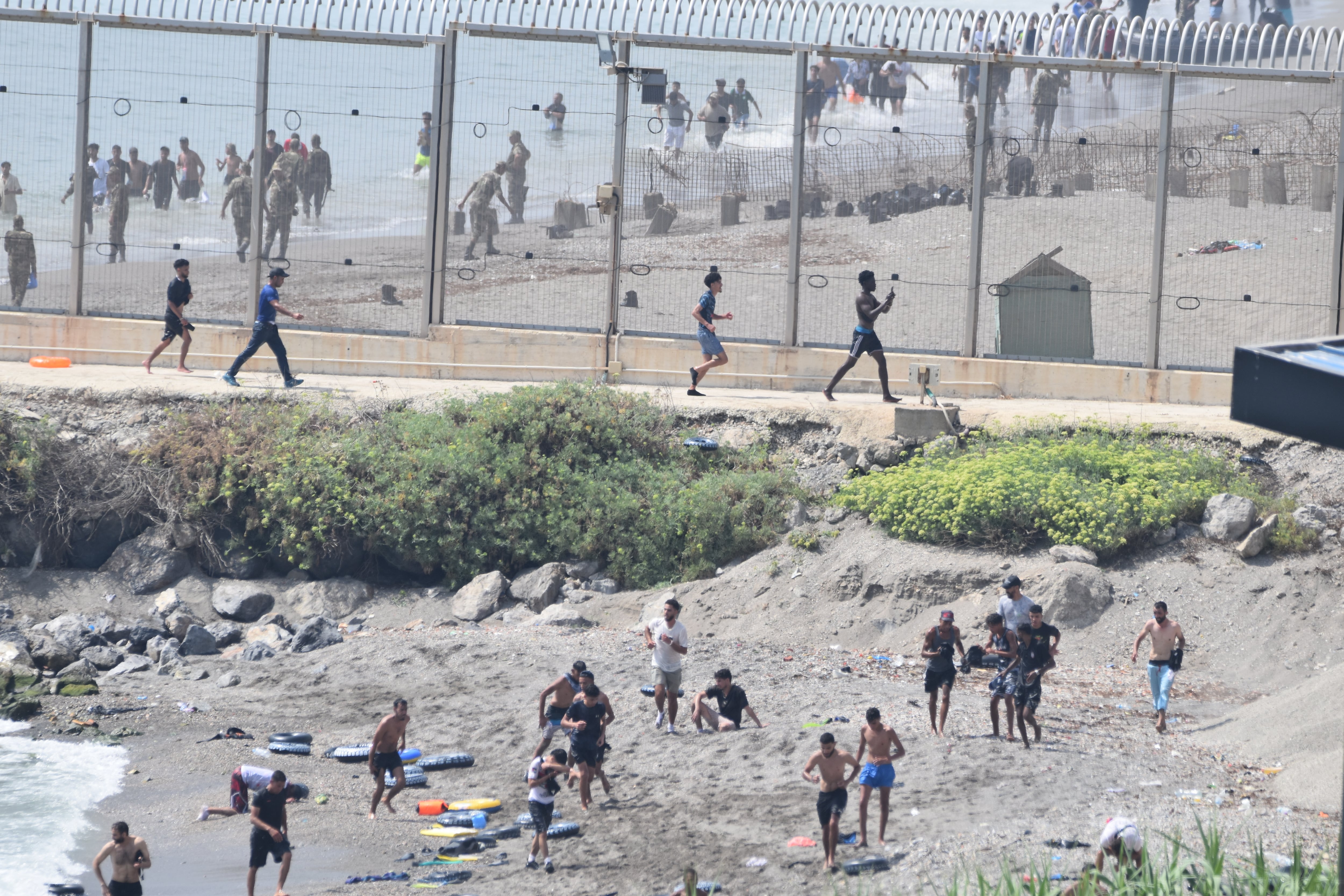
Ceuta experienced a significant migrant influx, with the city's president estimating around 60,000 individuals crossed the border within a 24-hour period. However, the Spanish government reported that over 48,000 of these migrants had returned to Morocco by the end of the day. Tragically, the crisis also resulted in loss of life, with 57 bodies of migrants recovered from the coasts of Ceuta. These individuals had drowned while attempting to reach the autonomous city. The situation highlights the perilous journeys undertaken by migrants seeking to enter the Spanish enclave.
The events in Ceuta underscore the complex interplay of border security, humanitarian challenges, and geopolitical relations. The surge in arrivals, coupled with the tragic loss of life, points to intense migratory pressures driven by factors likely including economic disparities and instability in origin countries, as well as regional transit dynamics. The rapid return of a significant portion of migrants suggests a coordinated response between Spanish and Moroccan authorities, potentially influenced by bilateral agreements and broader EU migration policies, such as those related to the Schengen Area. Future policy considerations may involve addressing root causes of migration, enhancing safe and legal pathways, and fostering regional cooperation to manage such flows humanely and effectively, while respecting international obligations.
AI-generated to prompt reflection — not editorial opinion, not advice, not a statement of fact. How this works.