Ceuta Migrant Crisis: Rumors, Diplomacy, and Security Cooperation Intertwined
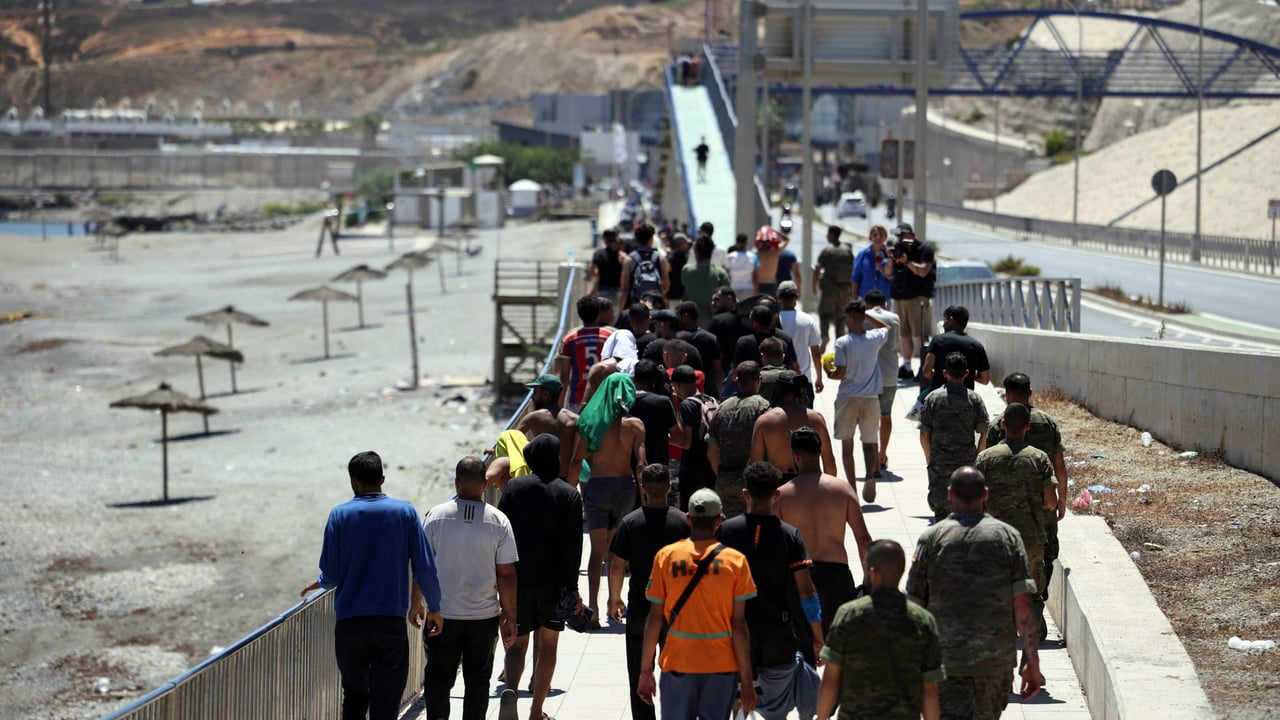
Over 60,000 Moroccans surged towards Ceuta in late July, reportedly driven by a viral rumor. This influx created a significant migration crisis, highlighting the social vulnerabilities and diplomatic tensions between Morocco, Spain, and the European Union. The event underscores the complex interplay of factors influencing migration flows, including misinformation and the delicate balance of international relations. The crisis exposed the fragile social fabric within Morocco and the ongoing diplomatic challenges faced by Spain in managing its borders. It also brought to the forefront the need for robust cooperation between Morocco and Spain on security matters to manage such events effectively. The situation in Ceuta served as a stark reminder of the broader challenges related to migration management and border security within the EU's southern neighborhood.
The Ceuta migrant surge, amplified by viral rumors, illustrates the potent impact of misinformation on mass movements and the critical need for effective cross-border communication and border management strategies. This event underscores the inherent fragility of social and political stability when coupled with external pressures and the challenges of coordinating security and humanitarian responses between sovereign nations and international blocs like the EU. Future policy considerations should focus on building resilient information ecosystems to counter disinformation and strengthening diplomatic frameworks for predictable and humane migration management, anticipating the escalating pressures of demographic shifts and climate change in the coming decade.
AI-generated to prompt reflection — not editorial opinion, not advice, not a statement of fact. How this works.
