Ceuta Migrant Crisis Sparks Political Storm Fueled by Social Media
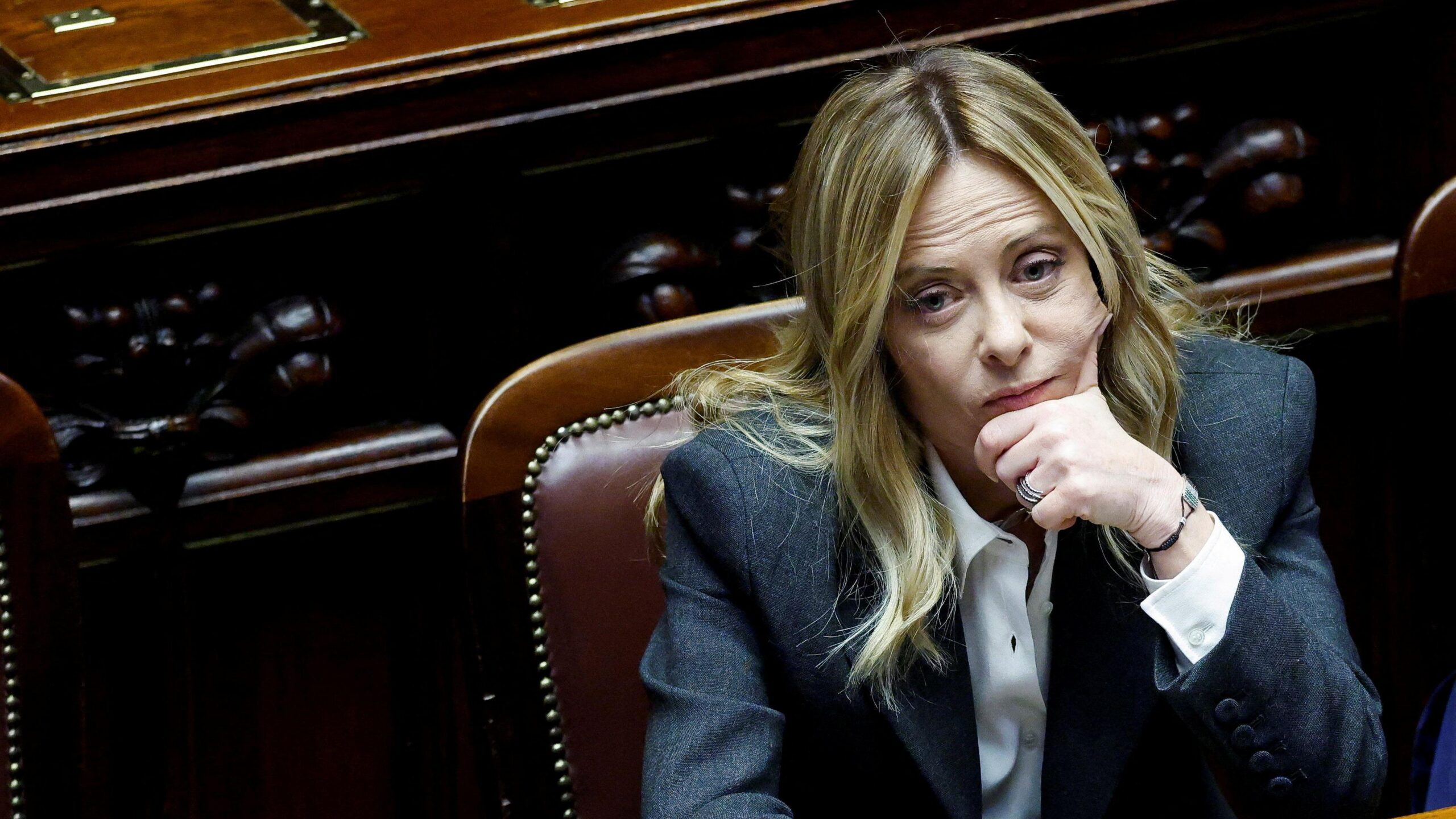
A large influx of migrants from Morocco into Ceuta exposed deep divisions within Europe concerning the sensitive issue of migration. The BBC's Sarah Rainsford reports that the crisis highlighted the complex challenges faced by European nations in managing their borders and responding to humanitarian needs. The event also demonstrated the significant role social media played in amplifying the political discourse surrounding the situation. The sheer volume of people crossing into the Spanish enclave created a significant humanitarian and logistical challenge. This surge in migration put pressure on local resources and international relations between Spain and Morocco. The differing approaches and opinions among European countries regarding migration policies were brought to the forefront. The incident served as a stark reminder of the ongoing migration pressures on Europe's external borders. The interplay between migration flows, political responses, and online narratives was a key feature of this unfolding crisis.
The Ceuta migrant crisis, amplified by social media, underscores the complex interplay between border security, humanitarian concerns, and political discourse in Europe. The event highlights how migration flows can expose and exacerbate pre-existing political divisions among member states, particularly regarding burden-sharing and policy harmonization. Social media's role in shaping public perception and political narratives demonstrates its increasing influence on geopolitical events, potentially accelerating or intensifying diplomatic tensions. Future policy discussions will likely need to address not only border management and integration but also the governance of online information to foster more constructive dialogue and prevent the weaponization of migration issues.
AI-generated to prompt reflection — not editorial opinion, not advice, not a statement of fact. How this works.
