Ceuta Reels After Three Days of Migratory Crisis
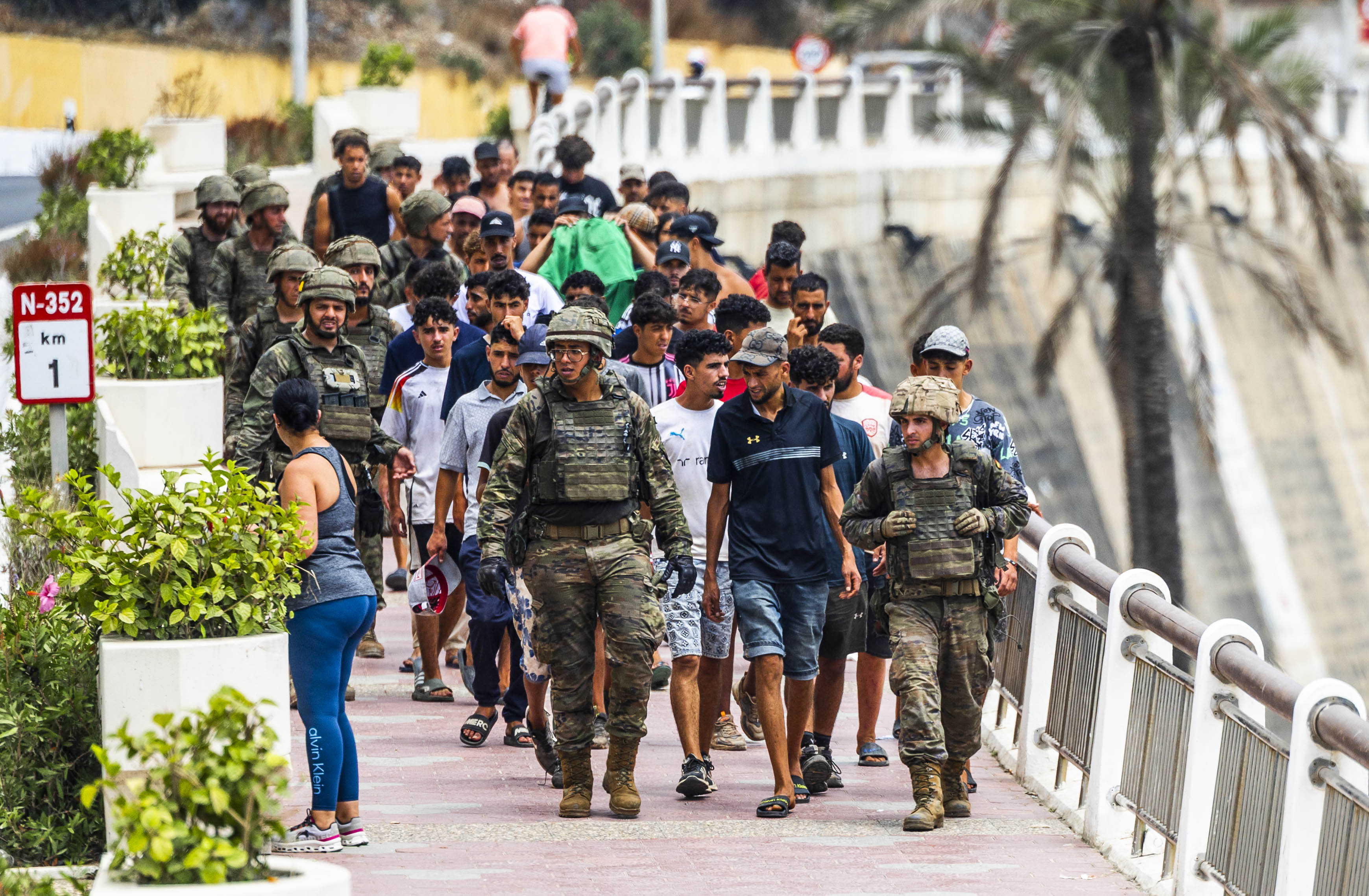
Ceuta, a Spanish coastal city, is dealing with the aftermath of a severe migratory crisis that lasted three days. The influx of migrants from the Maghreb region has strained the resources of both governmental bodies and humanitarian organizations. The city has been recovering bodies from the sea, highlighting the perilous nature of the journey undertaken by these individuals. This event has tested the capacities and responses of various authorities and aid groups involved in managing the situation. The crisis underscores the ongoing challenges at the border between North Africa and Europe. Humanitarian organizations are working to provide assistance to those who have arrived and to address the humanitarian consequences of the crisis. The situation has put significant pressure on border control forces and social services within Ceuta. The scale of the event has prompted urgent discussions about migration policies and humanitarian aid strategies.
The recent migratory surge at Ceuta highlights the persistent challenges of irregular migration, driven by complex geopolitical and socioeconomic factors in North Africa. The strain on governmental and humanitarian resources points to the need for more robust, coordinated, and sustainable long-term strategies. Future policy discussions should consider the incentive structures that drive such perilous journeys and explore avenues for enhanced regional cooperation and legal migration pathways. Examining the event through a decade-long lens suggests that without proactive, systemic interventions, such crises may recur, demanding greater foresight in border management and humanitarian response frameworks.
AI-generated to prompt reflection — not editorial opinion, not advice, not a statement of fact. How this works.