Ceuta's Future and the "Strait of Hormuz Model" in a New Global Order
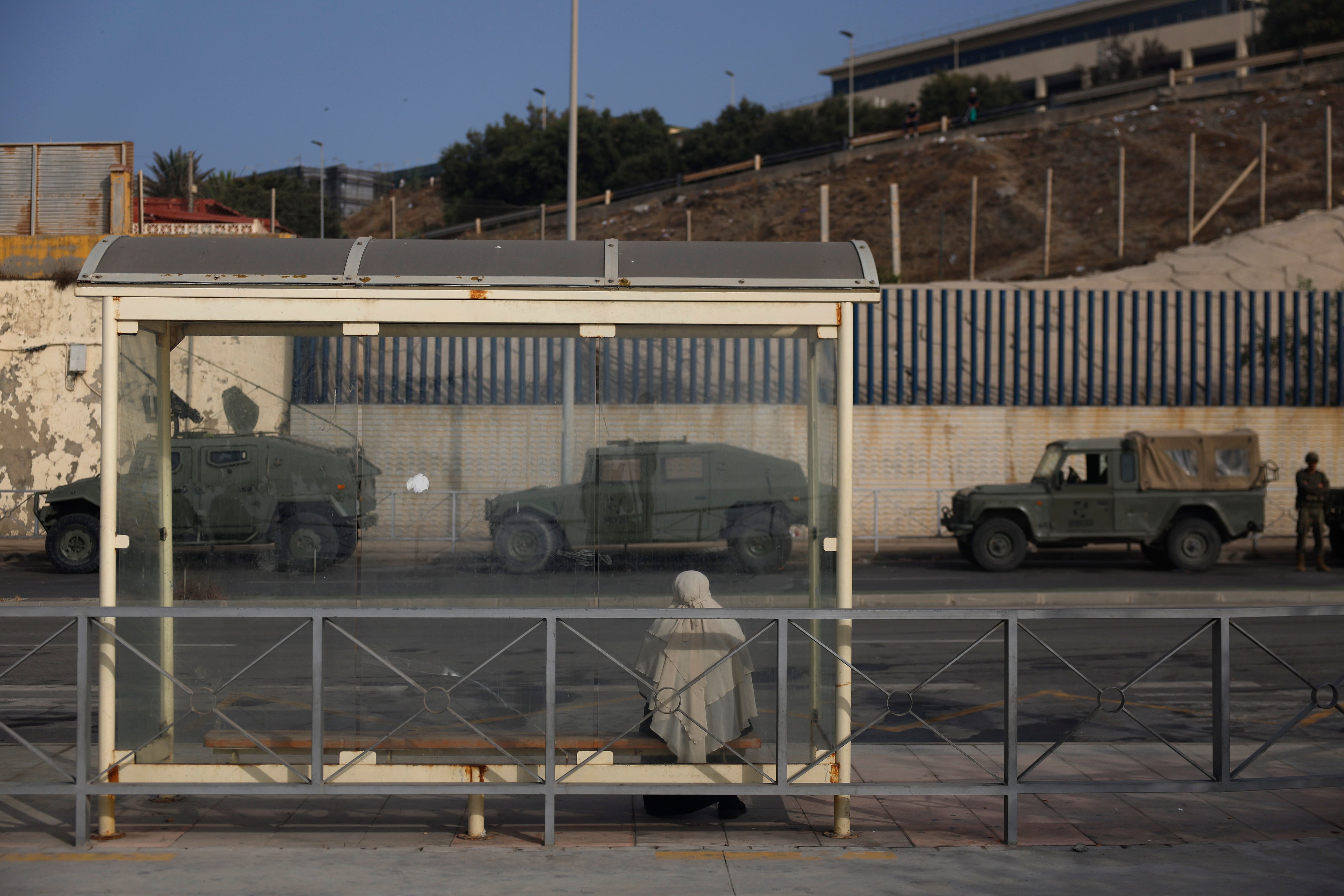
The article discusses the evolving international order, suggesting that power dynamics are shifting beyond the traditional 'big fish eats small fish' paradigm. It introduces the concept of a "Strait of Hormuz model" in relation to the future of Ceuta, a Spanish autonomous city located on the northern coast of Africa. This model implies strategic importance and potential geopolitical tension, similar to the Strait of Hormuz, a vital chokepoint for oil transport. The piece hints at a future where influence and control are determined by more complex factors than sheer military might. The implications for Ceuta, a territory with a unique geopolitical position bordering Morocco and facing the Mediterranean Sea, are explored in the context of this new global disorder. The author suggests that the traditional rules of international engagement are being rewritten, leading to a less predictable and potentially more volatile global landscape. The "Strait of Hormuz model" serves as a metaphor for understanding how smaller entities or strategically located territories might gain or exert influence in this altered international system. The discussion points towards a reevaluation of territorial control and strategic positioning in the face of shifting global power structures.
The evolving international order, characterized by a departure from traditional power hierarchies, suggests a reevaluation of strategic geographic locations. The "Strait of Hormuz model" applied to Ceuta highlights how chokepoints and strategically positioned territories can gain leverage irrespective of their size. This shift may incentivize states to focus on asymmetric influence and control over territorial integrity. The future governance of such territories will likely be shaped by complex interplay of international law, regional security dynamics, and the economic imperatives of global trade routes. Understanding these systemic shifts is crucial for anticipating future geopolitical realignments and resource competition in the coming decade.
AI-generated to prompt reflection — not editorial opinion, not advice, not a statement of fact. How this works.