Ceuta struggles to house 1,000 unaccompanied migrant minors after mass return to Morocco
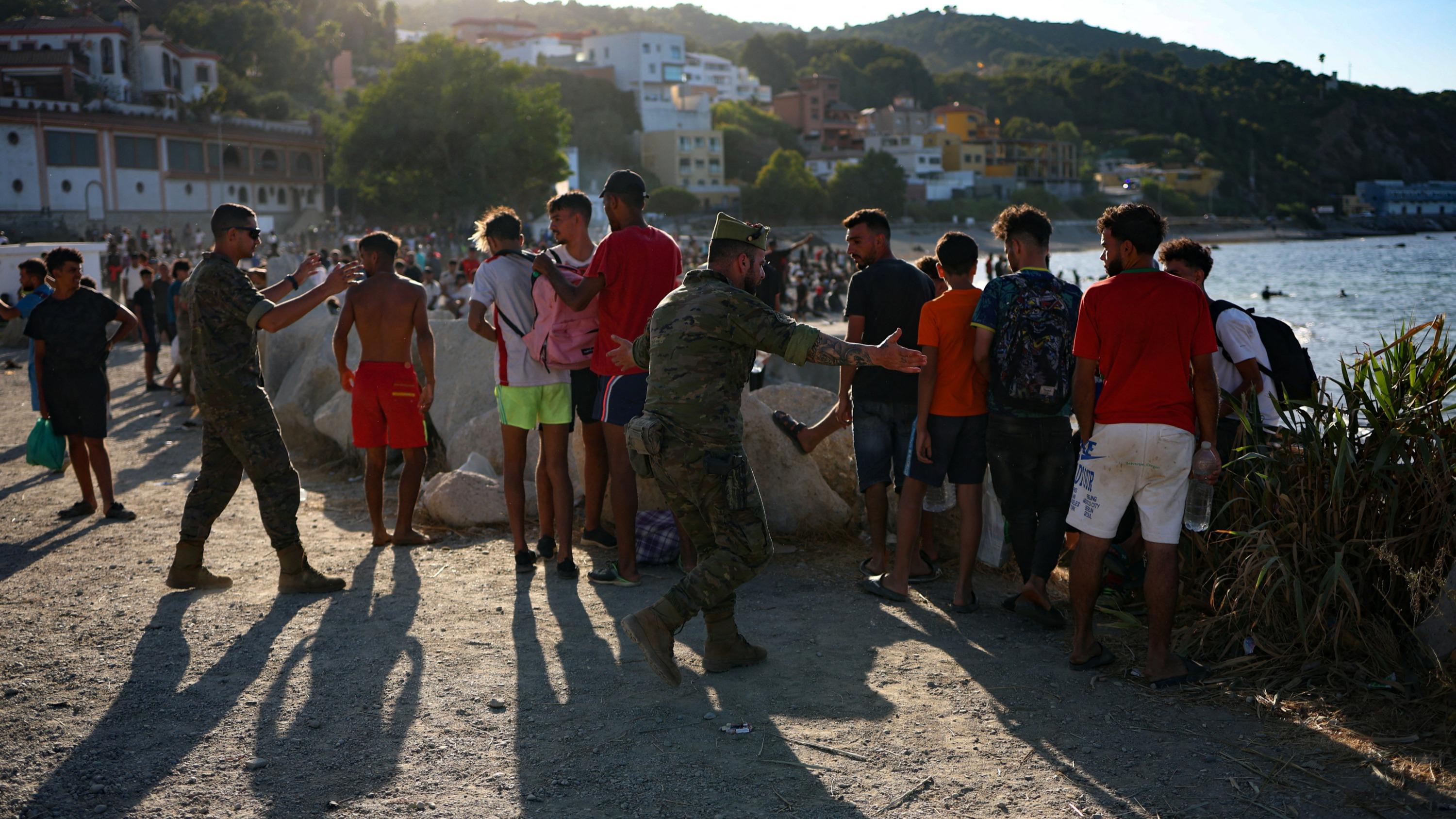
The Spanish enclave of Ceuta is facing a significant challenge in accommodating approximately 1,000 unaccompanied migrant minors. This situation arises after nearly all of the around 70,000 migrants who arrived in the enclave have returned to Morocco. The local authorities in Ceuta have stated that they lack the capacity to house these remaining minors. Consequently, they plan to request assistance from the central government in Madrid to address this humanitarian and logistical issue. The enclave, geographically situated between Spain and Morocco, often serves as a point of arrival for migrants seeking entry into Europe.
The situation in Ceuta highlights the complex migratory pressures at Europe's southern borders and the strain on local resources when national governments do not adequately plan for or support border regions. The enclave's limited capacity underscores the need for robust, long-term European strategies for migrant reception and integration, rather than relying on ad-hoc solutions that disproportionately burden frontline cities. Future policy must consider the inherent vulnerabilities of unaccompanied minors and establish clear, humane protocols for their care and processing, anticipating potential surges and ensuring sustainable support mechanisms.
AI-generated to prompt reflection — not editorial opinion, not advice, not a statement of fact. How this works.
