CFMEU Under Scrutiny Amidst Big Build Budget Blowouts in Australia
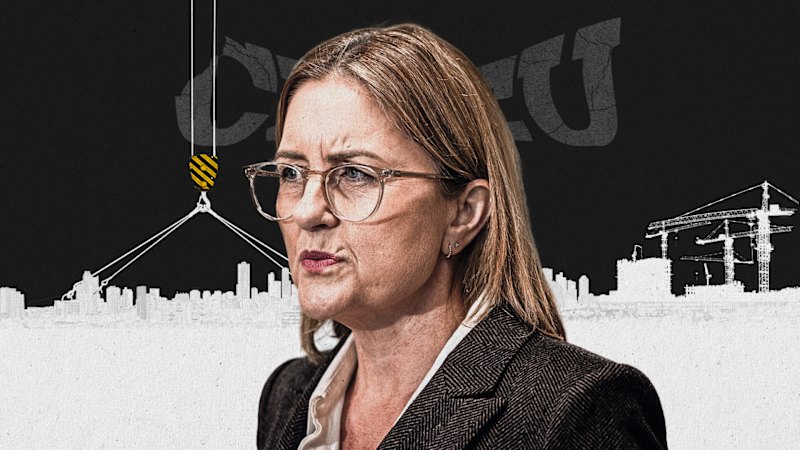
The premier of Australia has stated that the significant budget overruns in the "Big Build" project are unrelated to the alleged lawlessness of the CFMEU (Construction, Forestry, Maritime, Mining and Energy Union). However, independent experts are challenging this assertion, suggesting that the situation is more complex than presented. The union has been accused of various illicit activities, with questions arising about the extent of "Bandidos kickbacks" and their potential impact on construction costs. The controversy places the CFMEU at the center of discussions regarding the financial management and oversight of major infrastructure projects. Experts argue that the union's actions, or alleged inaction, could indeed be a contributing factor to the escalating expenses. This debate highlights a broader concern about governance and accountability within the construction industry, particularly on large-scale public works. The "Big Build" initiative, a major government infrastructure program, is facing intense scrutiny due to its escalating costs.
The assertion that union activities are entirely separate from infrastructure project budget overruns warrants careful examination. Incentive structures within large-scale construction projects often involve complex interdependencies between labor, management, and regulatory bodies. When allegations of illicit financial dealings or "kickbacks" surface, they point to potential governance failures that could directly impact project timelines and costs. Understanding the precise mechanisms through which such issues might influence budget outcomes is crucial for future project planning and risk mitigation. A thorough review of contractual frameworks, oversight protocols, and enforcement mechanisms is necessary to ensure public funds are managed transparently and efficiently, particularly as the construction sector navigates evolving economic and technological landscapes.
AI-generated to prompt reflection — not editorial opinion, not advice, not a statement of fact. How this works.