Chad Withdraws from International Criminal Court, Citing Bias
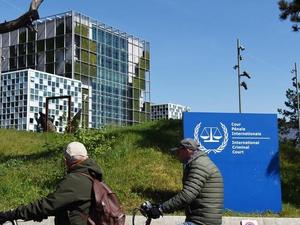
The government of Chad has officially notified the United Nations Secretary-General of its sovereign decision to withdraw from the Rome Statute of the International Criminal Court (ICC). This move, announced by the Chadian Ministry of Foreign Affairs, African Integration, and Chadians Abroad, stems from Chad's assessment of the ICC's performance since its inception in 2002. Chad argues that the court's effectiveness has been limited and inconsistent, pointing to what it describes as undeniable selectivity in the ICC's actions. Official ICC statistics from May 11, 2026, show that out of thirteen investigations opened since 2002, nine have targeted African states, compared to four in other global regions. Furthermore, of the seven individuals detained by the court at that time, six were held in relation to African situations. Chad asserts that these figures contribute to a widespread perception among many nations of a sustained focus by the ICC on the Global South, particularly the African continent. Consequently, Chad is urging the African Union and its member states to intensify discussions on the future of this perceived biased system and to expedite the strengthening and operationalization of African judicial mechanisms. The ultimate goal is to foster a more equitable, balanced, credible, and effective continental justice system that respects African sovereignty. Despite this withdrawal, Chad reaffirms its unwavering commitment to combating impunity for perpetrators of grave crimes and upholding its other international obligations, stating that this irrevocable decision does not signify a renunciation of the moral imperative to deliver justice to victims.
Chad's withdrawal from the ICC reflects a growing sentiment among some nations, particularly in Africa, regarding perceived selectivity and bias in international justice mechanisms. The Chadian government's justification, citing statistics on investigations and detentions disproportionately affecting African states, highlights a tension between national sovereignty and international legal accountability. This decision prompts consideration of the sustainability of global governance structures when key participants feel unfairly targeted or unrepresented. As AI and digital forensics advance, the potential for more efficient and equitable evidence gathering and analysis exists, which could reshape perceptions of judicial fairness. However, the challenge remains in ensuring that such advancements are applied impartially, without reinforcing existing geopolitical divides or creating new ones. The move also underscores the ongoing debate about the balance of power between international institutions and regional bodies, suggesting a potential shift towards greater emphasis on continental judicial frameworks to address international crimes.
AI-generated to prompt reflection — not editorial opinion, not advice, not a statement of fact. How this works.