Chalk Dust Trend in France Offers Cheap Cooling and Climate Aid
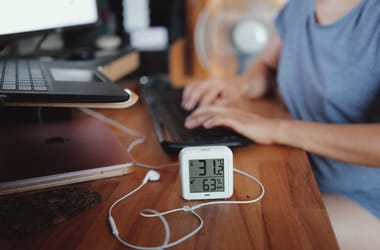
Chalk dust has become scarce in France following a viral trend on social media suggesting its effectiveness in combating rising indoor temperatures. The unusual popularity of chalk dust for home cooling is supported by a scientific explanation. This trend highlights a growing public interest in affordable and potentially eco-friendly solutions for managing heat in residential spaces. As temperatures continue to rise globally, innovative and accessible methods for cooling homes are gaining traction. The demand for chalk dust, previously a niche product, has surged due to its perceived benefits in reflecting sunlight and reducing heat absorption. This phenomenon underscores the public's search for practical strategies to adapt to climate change impacts at a personal level. The scientific rationale behind chalk dust's cooling properties relates to its reflective nature, which can help keep surfaces cooler. This development points to a potential shift in consumer behavior towards simpler, more natural materials for environmental management. The situation in France demonstrates how online communities can quickly popularize unconventional solutions to widespread problems like urban heat.
The surge in demand for chalk dust in France for home cooling, driven by social media, illustrates a public response to increasing temperatures and potentially high costs of conventional air conditioning. This trend highlights a societal search for accessible, low-cost climate adaptation strategies. While chalk dust's reflective properties may offer marginal cooling benefits, its widespread application raises questions about material sourcing, potential environmental impacts of large-scale use, and the efficacy compared to established cooling technologies. This phenomenon underscores the need for accessible, scalable, and scientifically validated solutions for climate resilience, particularly in urban environments facing significant heat island effects. It also points to the power of digital platforms in disseminating information, both accurate and anecdotal, regarding climate adaptation measures.
AI-generated to prompt reflection — not editorial opinion, not advice, not a statement of fact. How this works.