Chandrasekhar's Nobel Prize: How a Controversial Theory Became a Cosmic Cornerstone
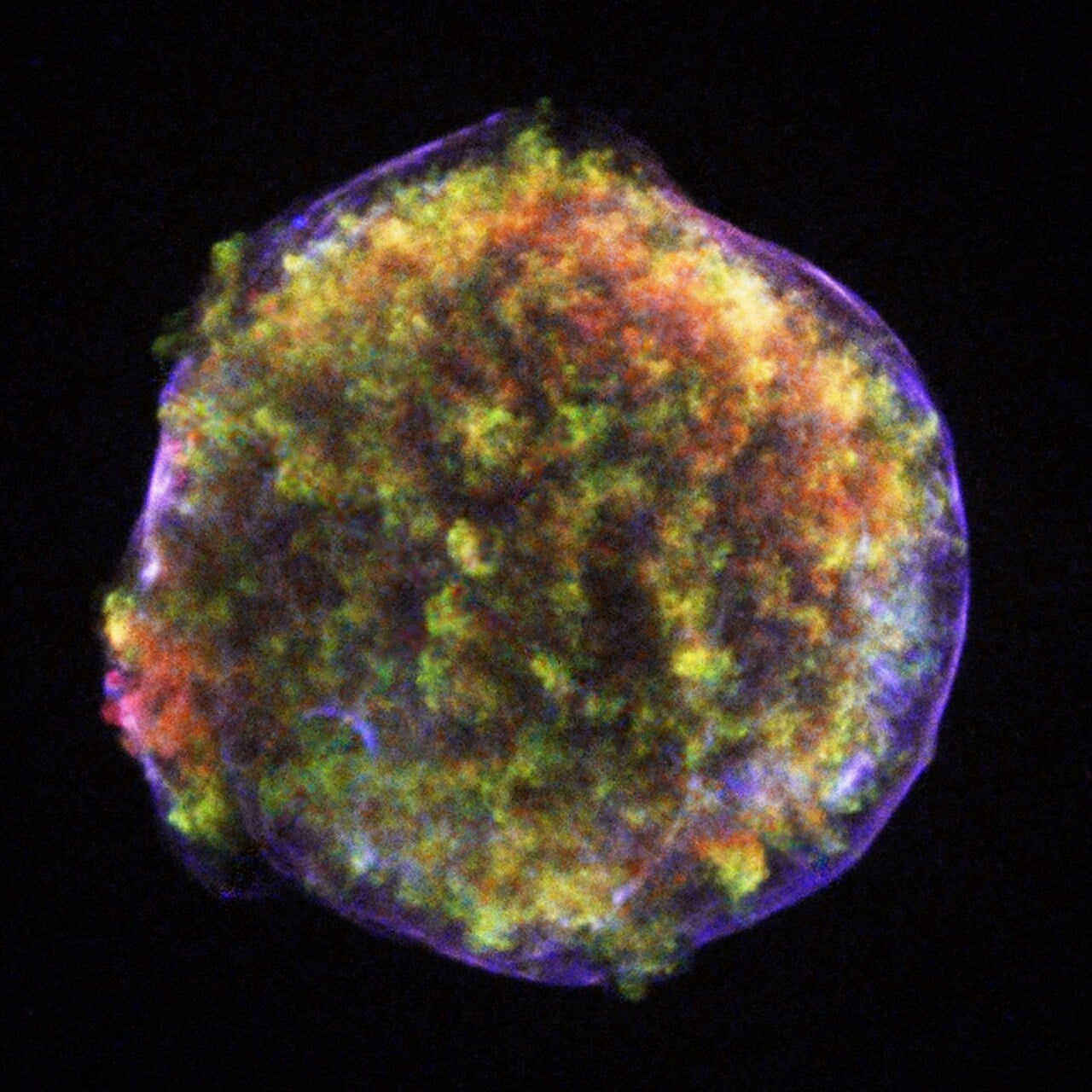
The article discusses the scientific journey of Subrahmanyan Chandrasekhar, culminating in his Nobel Prize. It highlights how his theoretical work on collapsing stars, initially met with skepticism, was eventually validated by astronomical observations. These stars, which Arthur Eddington had deemed impossible, were later found to be widespread in the universe. The piece emphasizes the significance of the 1.4 solar mass limit, often referred to as the Chandrasekhar limit, which became a crucial concept in modern astronomy. This limit defines the maximum mass a stable white dwarf star can possess before collapsing further, often leading to a supernova or the formation of a neutron star or black hole. The vindication of Chandrasekhar's theories underscores the importance of persistent scientific inquiry in the face of established dogma.
This narrative illustrates the scientific process where a groundbreaking theory, initially challenged by established figures like Eddington, eventually garners widespread acceptance through empirical evidence. The Chandrasekhar limit's transition from a point of contention to a fundamental constant in astrophysics demonstrates the dynamic nature of scientific understanding. It serves as a reminder that scientific progress often involves overcoming resistance rooted in existing paradigms. The eventual recognition via the Nobel Prize highlights the long-term impact of theoretical physics on observational astronomy and cosmology, shaping our comprehension of stellar evolution and the universe's fundamental properties over decades.
AI-generated to prompt reflection — not editorial opinion, not advice, not a statement of fact. How this works.