Chapada dos Veadeiros Residents Train as Firefighters to Protect Cerrado
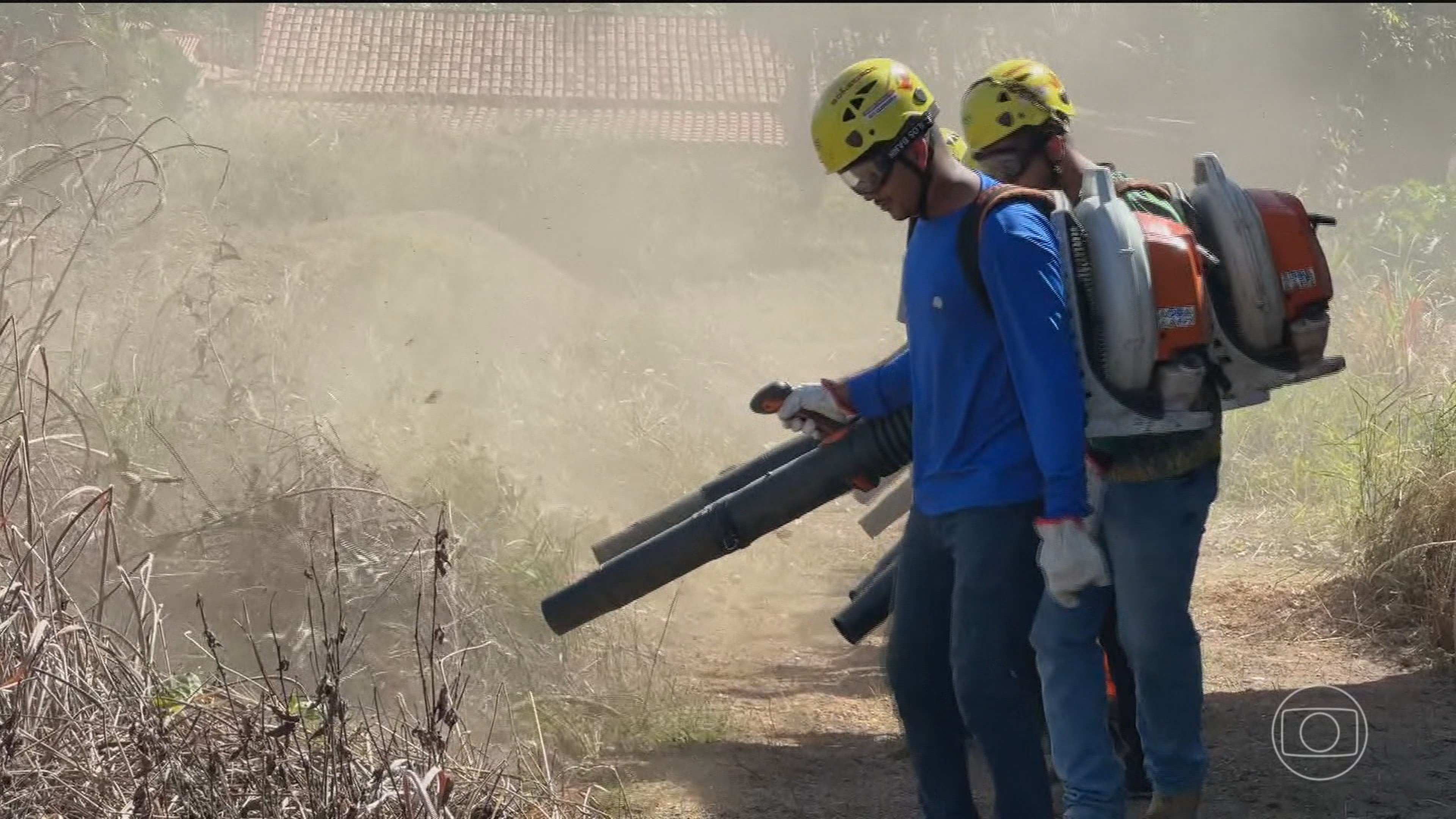
In the Chapada dos Veadeiros region of Brazil, 172 residents are undergoing training to become community firefighters, preparing to combat the annual wildfires that threaten the Cerrado biome. This initiative comes as the peak fire season approaches, following a devastating 2025 season where fires consumed 58,000 hectares of vegetation, an area larger than Porto Alegre. The program, led by the Fire Department, equips and trains these volunteers, who will act as community brigadistas. The training is conducted in dense forest areas to simulate real-world conditions, as many parts of the region lack easy access. These community firefighters will operate in six cities within Chapada dos Veadeiros, always accompanied by a professional firefighter. Their local knowledge of access routes and historical fire ignition points will significantly enhance the effectiveness of firefighting efforts, tripling the current firefighting personnel. Participants will receive up to R$4,000 for their work, providing a valuable income supplement. The initiative aims to reduce the burned area across the state, particularly in the Northeast region, which holds the largest remaining Cerrado areas. Organizers also seek to provide long-awaited recognition to these communities. The participants express a strong sense of duty towards preserving the natural environment, recognizing its vital importance for water resources and the local population.
This initiative addresses the critical need for enhanced wildfire response in Brazil's Cerrado, a vital ecosystem increasingly vulnerable to environmental pressures. By integrating local communities into the firefighting effort, the program leverages invaluable on-the-ground knowledge and fosters a sense of shared responsibility for conservation. The financial incentives offer a pragmatic approach to ensuring sustained participation and recognizing the labor involved. Looking ahead, the long-term success of such community-based programs will depend on robust governmental support, continuous training, and integrated land management strategies that address the root causes of increased fire frequency, such as climate change and land-use practices. This model offers a scalable solution for other ecologically sensitive regions facing similar threats, promoting resilience through decentralized, community-driven action.
AI-generated to prompt reflection — not editorial opinion, not advice, not a statement of fact. How this works.