Chapecó Faz Bem Awards 2026: Public Voting Opens for Six Categories
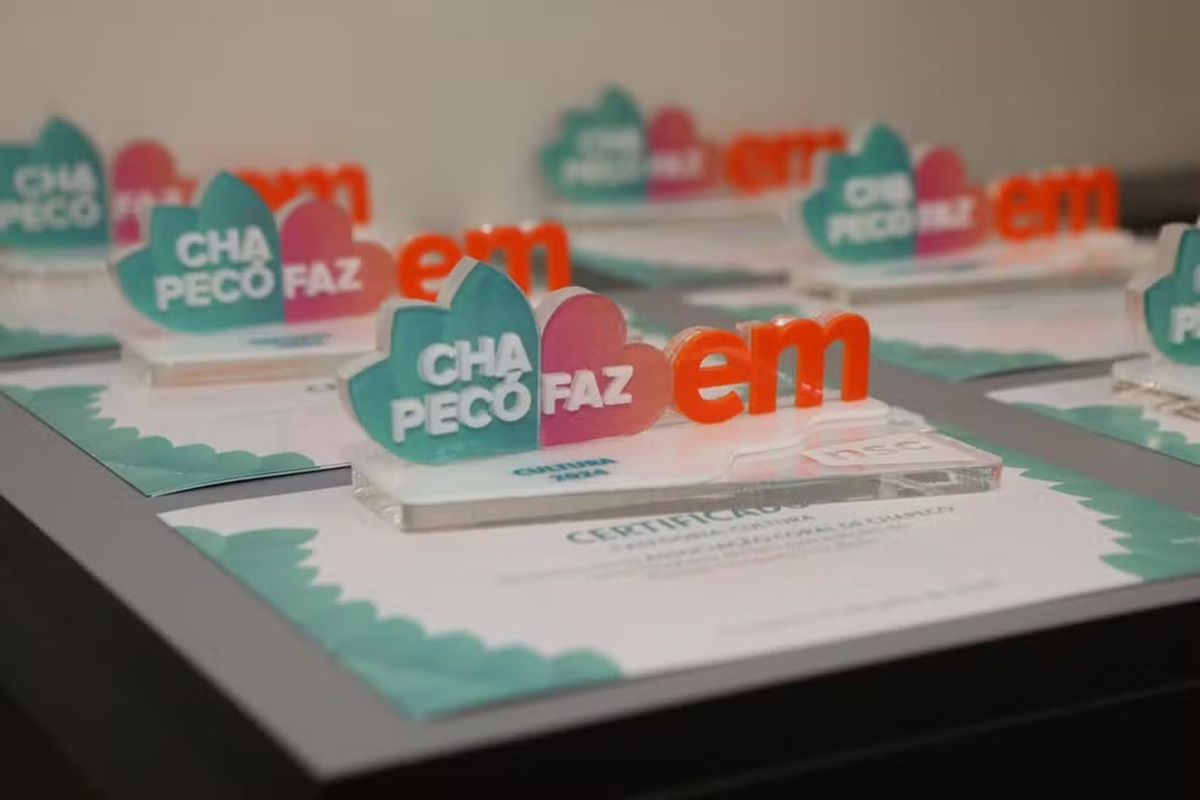
The Chapecó Faz Bem Awards, an initiative celebrating outstanding examples and efforts in Chapecó, Santa Catarina, has opened public voting for its 2026 edition. This year, the public will play a crucial role in determining the winners across six distinct categories through popular vote. The awards, presented by NSC TV, aim to recognize individuals and projects that embody the traditions, history, economy, and unique spirit of Chapecó, the largest city in western Santa Catarina. The voting commenced on Friday, July 9th, and is exclusively conducted via the g1 platform, allowing unlimited votes per participant. A future event, with a date yet to be announced, will honor the recipients in the presence of finalists and guests. The six categories are Antonietas, Chapecoense of the Year, Culture, Sports, Social Project, and School Project. Finalists include Mariza Pereira, Maria das Graças Bittencourt, and Rosa Alba for Antonietas; Rafaela Brandão, Michel Guimarães, and Kuty for Chapecoense of the Year; Ana Silvani, Cristiane Possa, and XapGeek for Culture; André Carneiro, Antonelli Kirchner, and Eloi Soares Junior for Sports; and the projects Guardiões das Abelhas, Passos da Sabedoria, and Poesia em Cena for School Project. For Social Projects, the finalists are Associação Ágape, Escola de Pais, and Vidas que Importam. To participate, voters need a free Globo Account.
This initiative leverages public engagement to recognize community contributions, fostering civic participation and highlighting local achievements. By opening voting to the public, the awards democratize recognition and potentially increase awareness of the nominated individuals and organizations. The process encourages a sense of collective ownership and pride in the community's positive endeavors. From a systemic perspective, such awards can serve as a feedback mechanism, signaling which types of social, cultural, and athletic activities resonate most with the public, thereby influencing future resource allocation and development priorities within Chapecó. This approach aligns with broader trends of participatory governance and community-driven development, particularly relevant in the digital age.
AI-generated to prompt reflection — not editorial opinion, not advice, not a statement of fact. How this works.