Charging Your Phone in Your Car: Does It Impact Fuel Consumption?
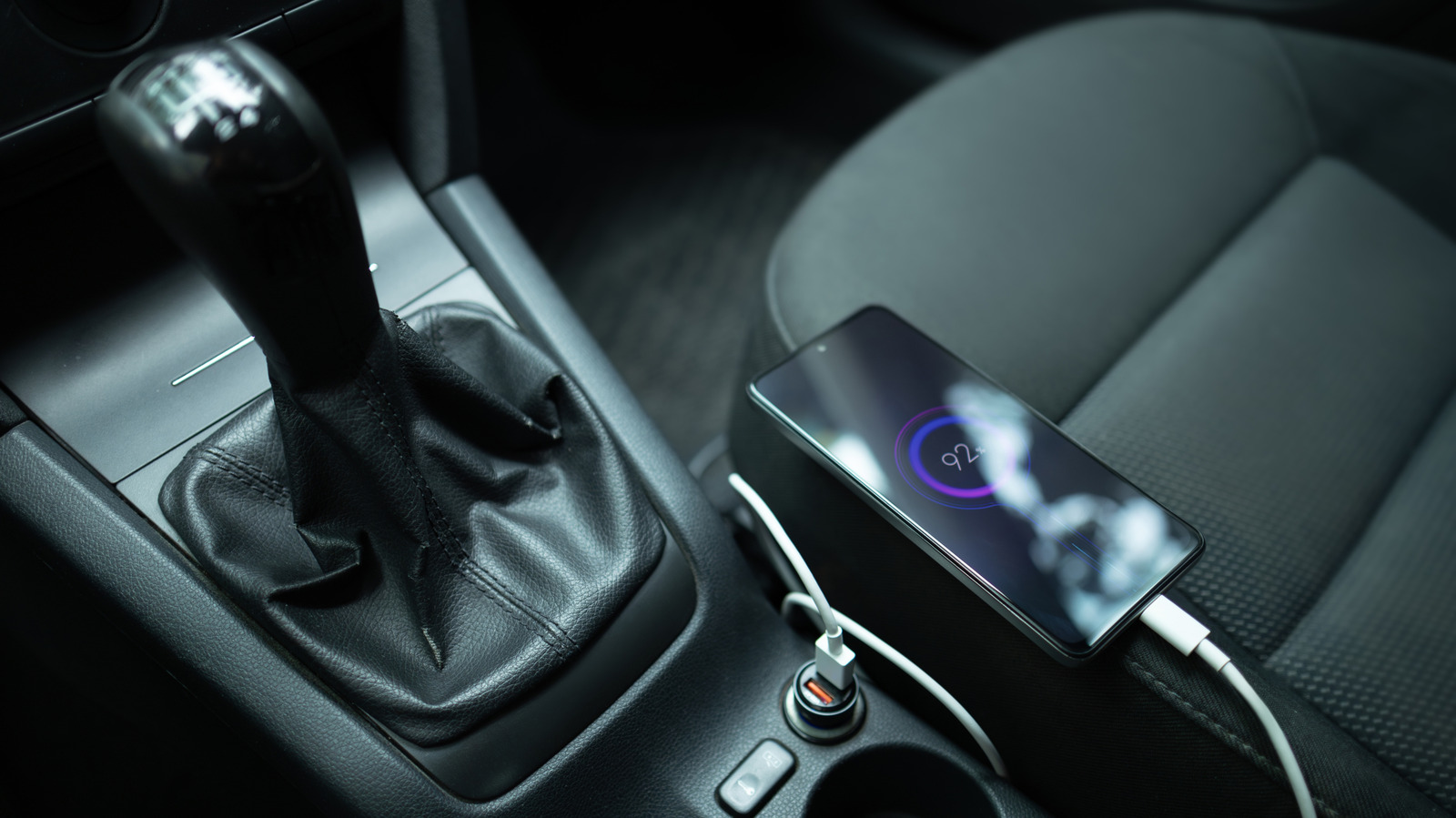
Charging your smartphone in your car consumes energy, but the amount is so negligible that it is not worth considering in terms of its impact on fuel consumption. While the process does technically draw power, the energy required to charge a phone is minimal. Therefore, drivers do not need to worry about this activity significantly affecting their vehicle's gas mileage. The energy draw is well within the normal operational parameters of a car's electrical system. This means that the effect on the engine's workload and, consequently, on gasoline usage is practically non-existent. Drivers can continue to charge their devices on the go without concern for fuel efficiency.
The negligible energy draw from charging a phone in a car highlights a common consumer concern about minor electrical loads impacting fuel efficiency. This scenario underscores the vast difference in energy requirements between a vehicle's primary function (propulsion) and secondary accessories. In the context of modern vehicle design and energy management systems, the power consumed by a phone charger is insignificant, unlikely to cause a measurable increase in fuel consumption. This understanding can help demystify vehicle energy usage and focus attention on more impactful factors influencing fuel economy, such as driving habits, tire pressure, and vehicle maintenance.
AI-generated to prompt reflection — not editorial opinion, not advice, not a statement of fact. How this works.